
Why Pokémon Card Collecting Has Never Been More Exciting
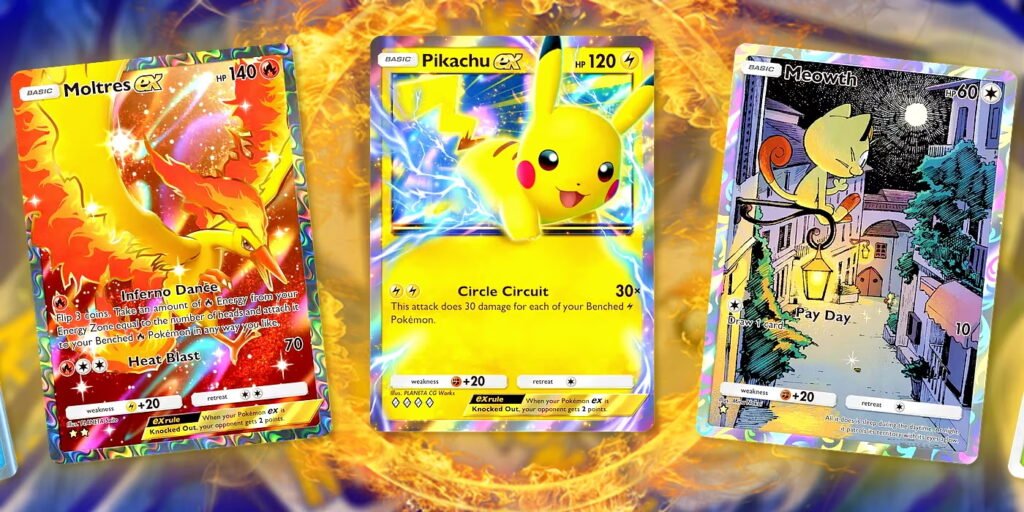
Pokémon card collecting has evolved from a childhood pastime into one of the most vibrant hobby markets in the world. In 2021, the market exploded — YouTube unboxings drove pack-opening into mainstream entertainment, investors entered the space, and the nostalgia wave from adults who grew up with the original Base Set collided with a new generation of collectors. The market has since matured and stabilized, making 2026 arguably the best time in years to start a serious Pokémon collection. Here’s everything you need to know.
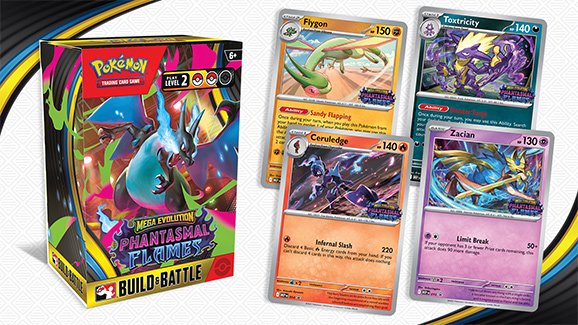
Step 1: Decide What Kind of Collector You Want to Be
Before spending a single dollar, decide your collecting focus. The three most common approaches are:
- Set Completion: Completing every card in a given set (including all the rares). This is extremely satisfying but expensive for sets with many high-value Special Illustration Rares. Scarlet & Violet 151 is a popular target for set completionists because of its nostalgic appeal.
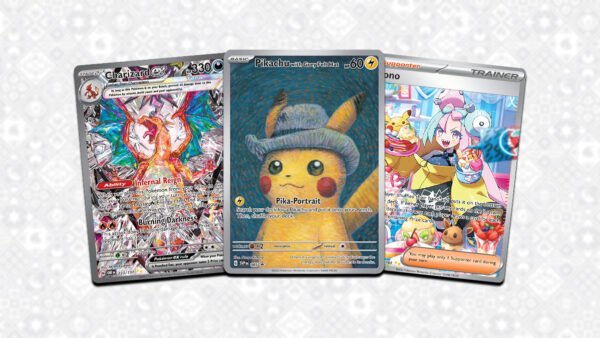
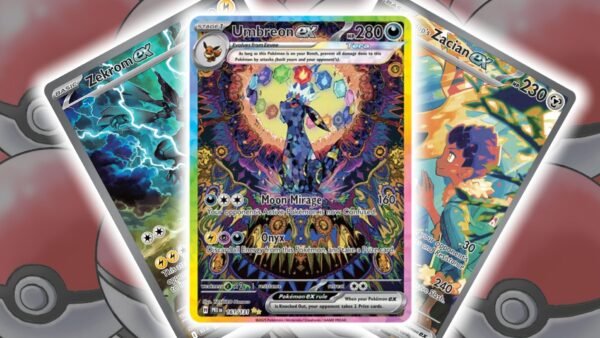
- Pokémon-Specific Collecting: Collecting every card of a specific Pokémon — a “Pokédex collection.” Charizard, Pikachu, Eevee, and Umbreon collections are the most popular. This lets you build deep knowledge about one Pokémon’s card history while keeping the scope manageable.
- Investment/Graded Cards: Buying specific high-value cards, grading them with PSA or CGC, and treating them as financial assets. This requires market knowledge and patience but can generate significant returns over time.
Step 2: Learn the Card Rarity Tiers
Modern Pokémon TCG (Scarlet & Violet era) uses the following rarity system, from most common to rarest:
- Common (C) / Uncommon (U) / Rare (R): Bulk cards, negligible value individually
- Double Rare (RR): Ex cards with standard artwork — typically $1–$5
- Ultra Rare (UR): Full-art ex and trainer cards — $5–$30
- Illustration Rare (IR): Full-bleed painted artwork — $10–$50
- Special Illustration Rare (SIR): Showcase artwork featuring Pokémon in scenic illustrations — $50–$500+
- Hyper Rare (HR): Gold-bordered cards — $20–$100
- Special Art Rare (SAR): Used in Japanese sets, equivalent to SIR — highly sought after
SIRs are the collector’s primary target in modern sets. Cards like Charizard ex SIR, Umbreon ex SIR, and Gardevoir ex SIR routinely sell for $100–$400+, and PSA 10 grades can double those values.
Keep Reading: Pokémon TCG Chaos Rising: 6 Best Cards Worth Collecting (2026) · Why Pokémon Cards Are Driving 2026’s Collectibles Boom · Best Card Sleeves for MTG, Pokémon, and TCG in 2026: The Complete Guide
Step 3: Buy Singles, Not Packs
This is the single most important piece of advice for collectors: buy the card you want directly, don’t gamble on booster packs. The odds of pulling a specific SIR from a booster pack are typically 1 in 100–180 packs depending on the set. At $5–$6 per pack, that’s $500–$1,000 in expected spending to guarantee pulling one specific card. You can buy that same card outright on TCGPlayer for $100–$300.
Opening packs is fun as entertainment — and buying booster boxes for the full experience has value — but if your goal is to own specific cards, buying singles from TCGPlayer, eBay, or local card shops is dramatically more efficient.
Step 4: Understand Card Grading
For high-value cards ($50+), professional grading significantly increases resale value and provides authentication. The major grading services are:
- PSA (Professional Sports Authenticator): The most recognized name in card grading. A PSA 10 (Gem Mint) commands the highest premiums. Turnaround times vary from weeks to months depending on service tier.
- BGS (Beckett Grading Services): Uses sub-grades (centering, corners, edges, surface) that provide detailed condition assessment. BGS Black Label (perfect 10) is the most coveted grade in any hobby.
- CGC: A newer entrant that has grown quickly, offering competitive pricing and faster turnaround. CGC Pristine (10) is increasingly respected in the market.
For most collectors, PSA grading is the default choice for mainstream market appeal. Grading cards below $50 in value rarely makes financial sense after grading fees.
Step 5: Protect Your Cards From Day One
Card condition determines value. Every NM (Near Mint) card you pull is worth protecting immediately. The essential card protection stack:
- Perfect Fit sleeves: Slip directly onto the card with minimal air — best for grading submissions
- Standard sleeves (Dragon Shield, KMC): Over the Perfect Fit for play or display
- Top loaders or Card Savers: Rigid plastic holders for storage and shipping
- Binders with side-loading pages: For collection display — avoid top-loading pages that allow cards to fall out
- Humidity/climate control: Keep cards away from moisture and direct sunlight to prevent warping
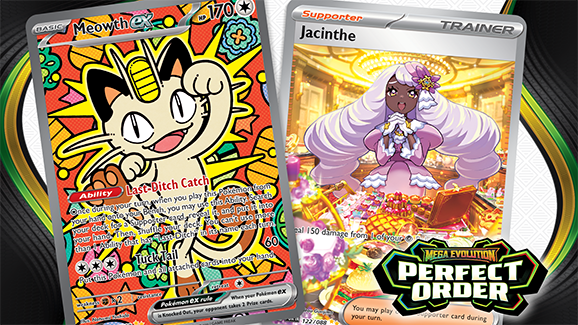
Best Sets to Collect Right Now
Scarlet & Violet 151 — The most popular modern set for collectors. All original 151 Pokémon, nostalgic illustrations by original artists including Mitsuhiro Arita, and several landmark SIRs.
Obsidian Flames — Home to the Charizard ex SIR that defined the current collector era. Still highly sought after.
Twilight Masquerade / Stellar Crown — Recent sets with strong SIR pull rates and competitive collector interest. Good entry points as prices are still accessible.
Prismatic Evolutions — The Eevee-focused set that broke all pre-order records and remains one of the most in-demand sets in recent memory. If you can find it at retail, buy it.
Keep Reading: Top 10 Most Valuable Pokémon Cards in 2026 (With Prices) · 5 Pokémon Cards That Could Explode in Value in 2026 · Pokémon TCG vs Magic: The Gathering — Which Card Game Should You Start?
Frequently Asked Questions
Should a new Pokemon card collector buy singles or packs?
Singles — the guide’s Step 3 recommends buying singles rather than packs for new collectors.
What’s the first step to starting a Pokemon card collection?
Deciding what kind of collector you want to be, before learning rarity tiers, buying singles, understanding grading, and protecting cards.
Should new collectors learn about card grading right away?
Yes — the guide’s Step 4 covers understanding card grading as an early step in collecting.
Does this guide recommend specific Pokemon sets to collect right now?
Yes — it has a dedicated ‘Best Sets to Collect Right Now’ section.
Nerd Snack Monthly
The month ahead, in one email.
Next month’s movie, anime and game release dates, plus the collectibles worth buying. Free. Unsubscribe anytime.
Related Posts:
Talk to us
Got a question, a tip or a request? Email us.
A real person reads every message at hello@nerdsnack.com, and we usually reply within 1–2 business days.
Prefer a form? Use our contact page.
Everything we recommend, curated in one place — from anime merch to gaming gear and snacks.