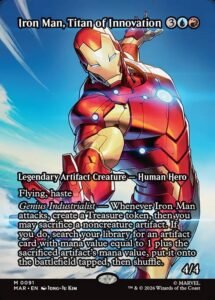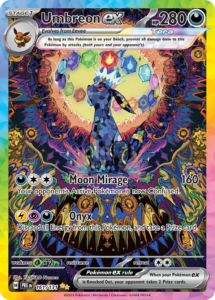
Every decade or so, a new trading card game arrives with the infrastructure, the intellectual property, and the design philosophy to genuinely challenge the established order. Magic: The Gathering defined the genre. Pokemon turned it into a global phenomenon. Lorcana proved that the right IP could still bring in millions of new players in 2023. Riftbound — Riot Games’ official League of Legends TCG — may be the most credible challenger to that hierarchy since the hobby began.
Here is a detailed look at what Riftbound is, why its foundation is stronger than most new TCGs, and why 2026 may be the year it becomes impossible to ignore.
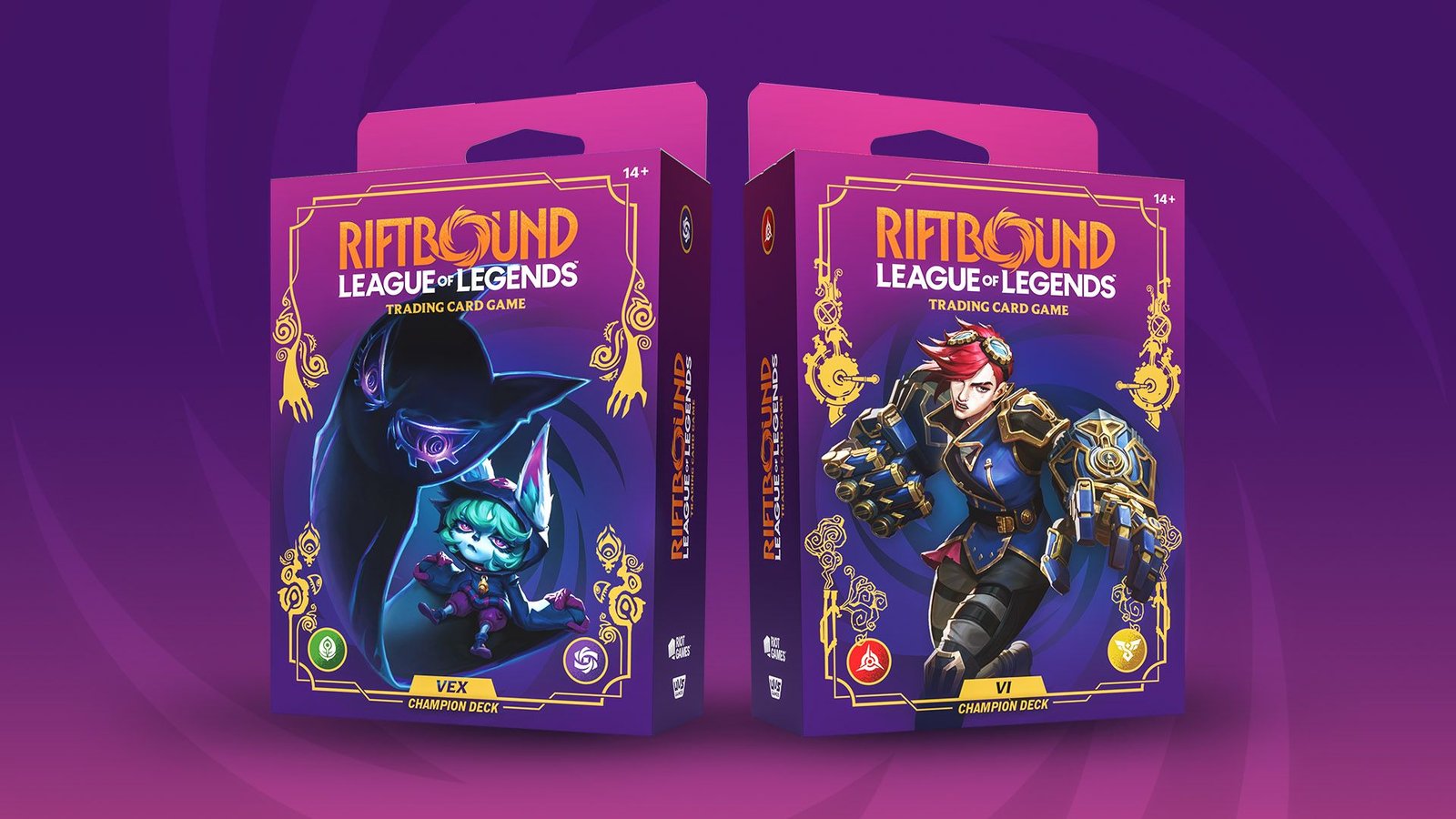
What Is Riftbound?
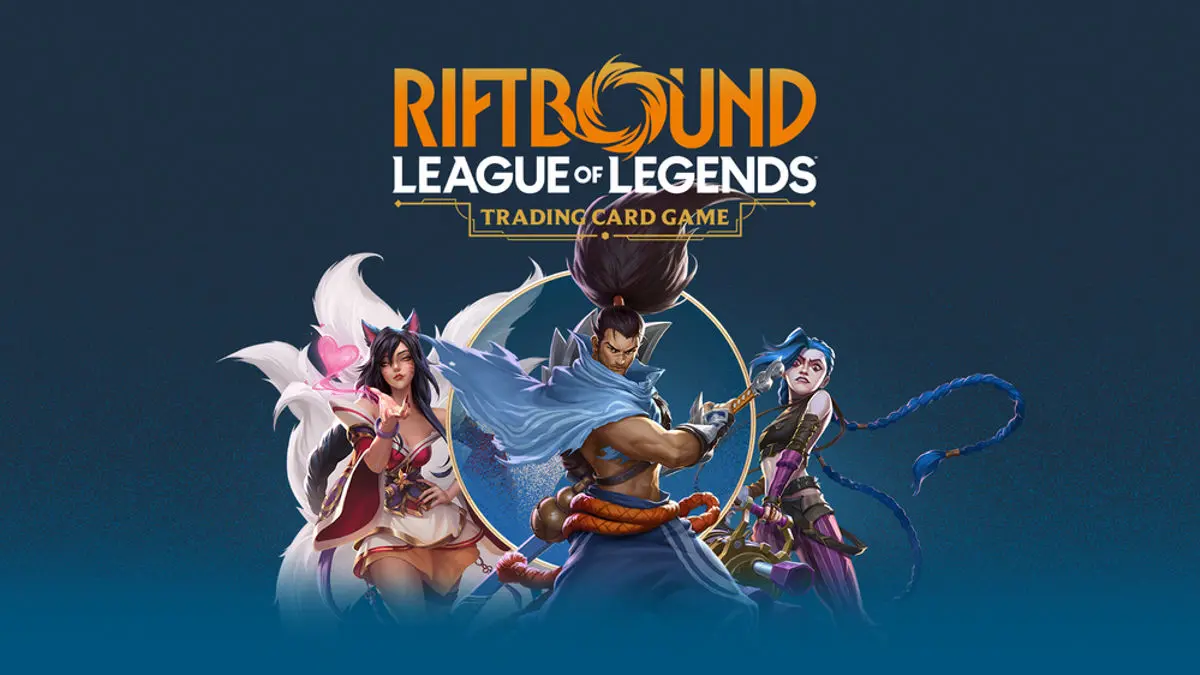
Riftbound is a strategic collectible card game built around the champions and world of League of Legends, developed by Riot Games and published in English by UVS Games. The game officially launched on October 31, 2025, following a Chinese debut in August of the same year. Development was led by Dave Guskin, who previously directed Legends of Runeterra — Riot’s earlier digital card game — giving the project a design team with deep experience in competitive card game systems.
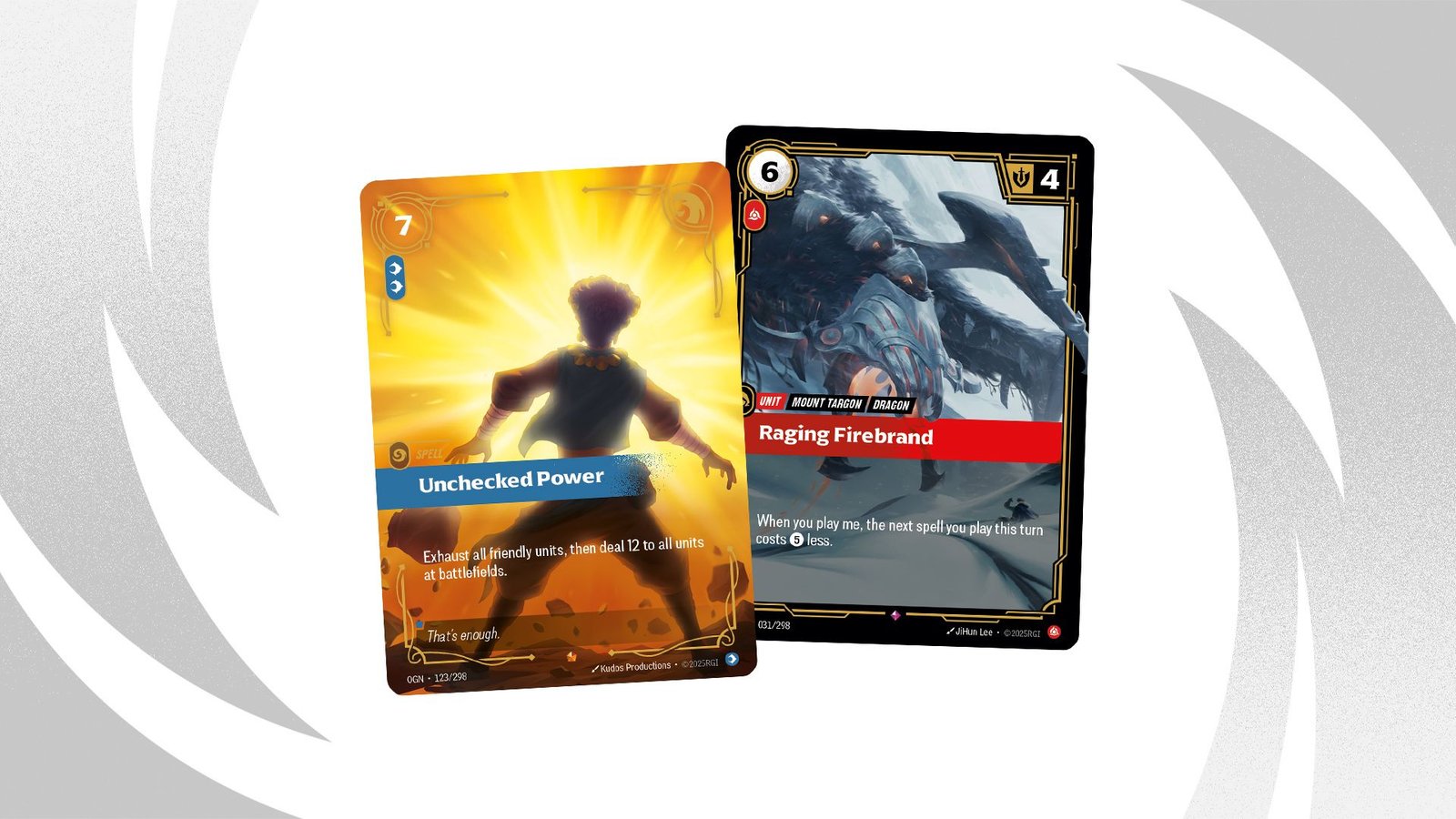
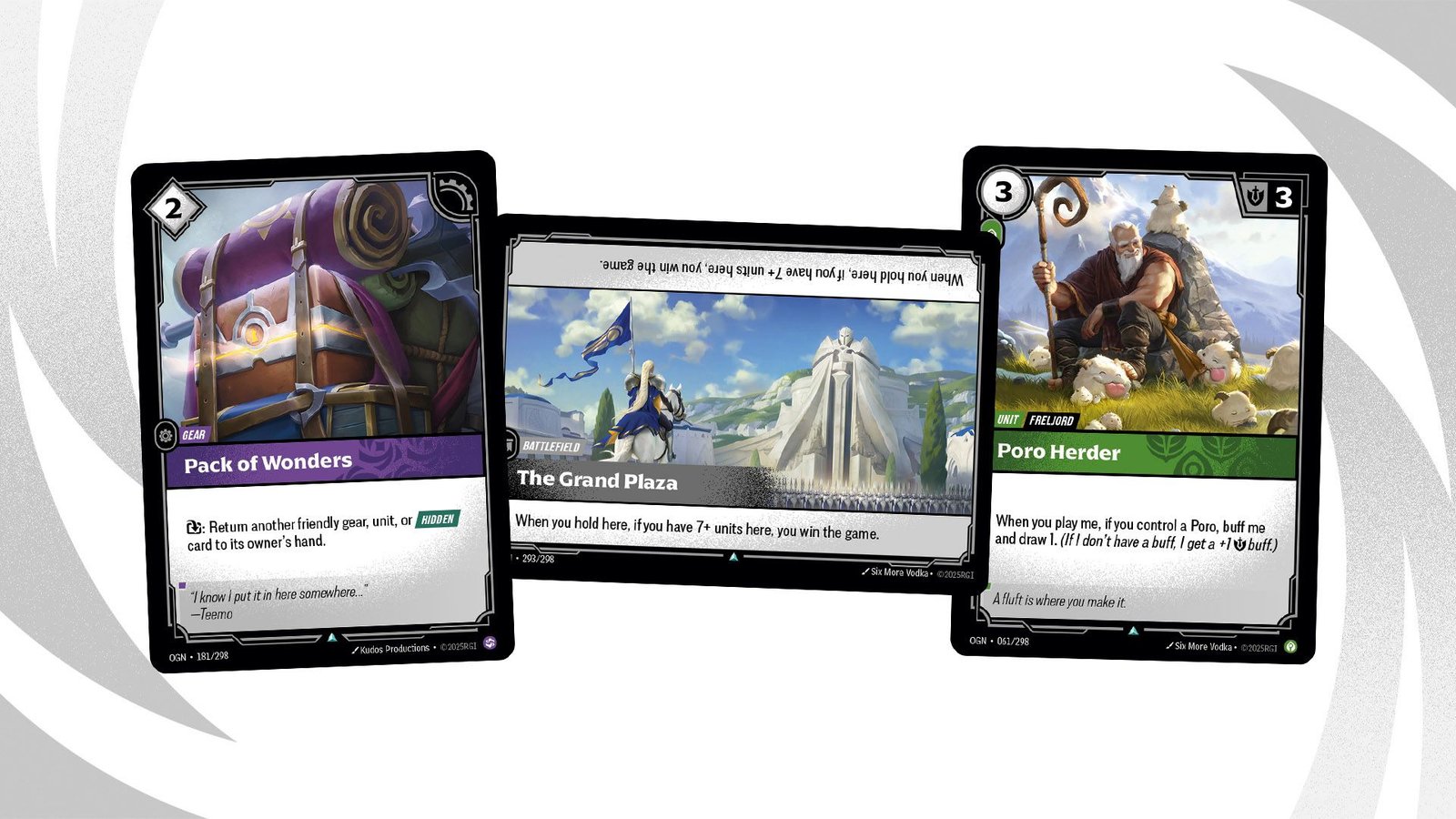
Players build two decks: a main deck of at least 40 cards and a rune deck of exactly 12 cards. Card types include units, spells, and gear, with the rune deck providing the resource system that determines what can be played each turn. Victory is achieved by capturing and holding battlefields until you accumulate 8 points — a scoring-based condition that creates a fundamentally different strategic landscape from life total-based games like Magic or Pokemon.
The game supports both 1v1 and multiplayer formats, including 4-player free-for-all, which is built into the core design rather than retrofitted as an afterthought. This makes Riftbound genuinely playable in casual social settings in a way that competitive TCGs rarely are.
The IP Advantage Is Bigger Than It Looks
League of Legends is the most-played PC game in the world, with an estimated 150 million registered accounts and a competitive ecosystem that fills stadiums across every major region. Riftbound is not borrowing the IP of a moderately popular franchise — it is the official card game of a cultural institution with a player base that already understands the characters, the lore, and the stakes.
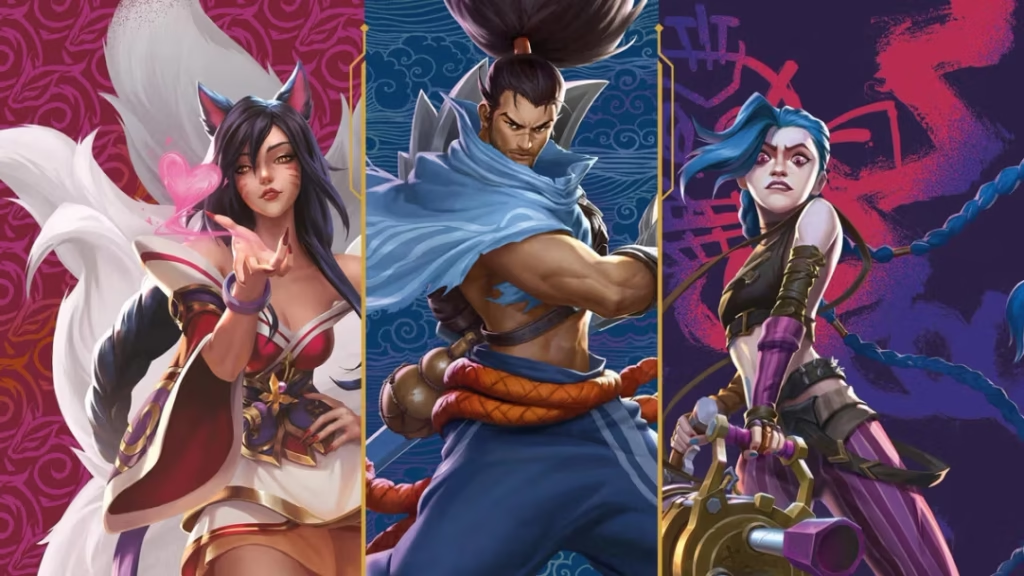
That familiarity changes the calculus of collecting. When a Jinx card drops with premium alternate art, the demand for that card is not driven solely by its competitive value — it is driven by the millions of people who have played as Jinx, watched her in Arcane, and have an existing emotional connection to the character. This is the same dynamic that makes Pokemon cards perpetually valuable regardless of the competitive meta, and it is one of the most durable foundations a TCG can have.
Riot also controls the marketing channels most relevant to its audience. League of Legends esports events, Valorant broadcasts, and the broader Riot Games ecosystem provide promotional reach that no independent TCG publisher can replicate. A card reveal at Worlds carries a different weight than a reveal at a dedicated hobby convention.
A Gameplay System Built for Modern Players
Where Riftbound distinguishes itself mechanically is in the deliberate removal of randomness-as-frustration. The battlefield control victory condition means that even losing turns have strategic value — you are contesting territory rather than simply depleting a number. The dual-deck system separates resource management (the rune deck) from threat deployment (the main deck), which reduces the variance that causes experienced players to quit other TCGs.
The card rarity system is also designed with collector transparency in mind. Riot published explicit pull rate data before launch, including the average number of Epic and alternate-art cards per box. This level of disclosure is rare in the TCG industry and signals a design philosophy more aligned with consumer trust than short-term pack sales.
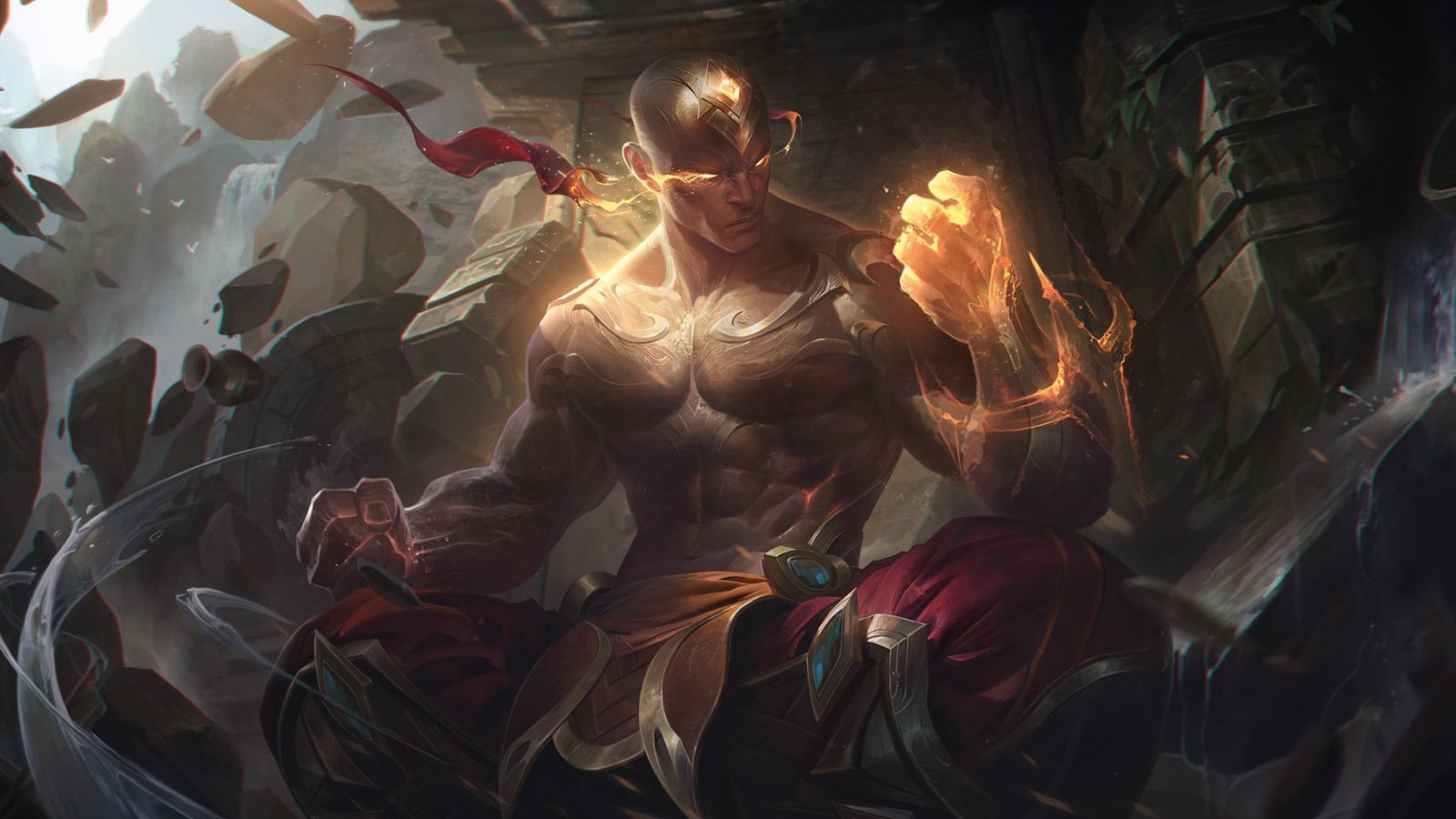
Champion mechanics add another layer of depth. Each champion can be developed across a game, with abilities that reflect their role in League of Legends. Lee Sin plays differently from Jinx, who plays differently from Viktor — the mechanical identity of each champion is preserved in the card design, which gives veteran League players an intuitive entry point while rewarding mastery over time.
Five Sets in 2026 and an Organized Play Structure Taking Shape
One of the clearest signals of a TCG’s ambition is its release cadence. Riftbound’s 2026 schedule is aggressive in the best way:
- Origins — the debut set, launched October 2025
- Spiritforged — February 2026, adding 221 new cards and 12 new champions including Azir, Irelia, Ezreal, Fiora, and Jax
- Unleashed — May 2026, introducing Ambush, Level, and Hunt keywords alongside a new Ultimate card rarity
- Vendetta — July 2026
- Radiance — Q4 2026
Five sets in approximately 14 months is the kind of schedule that keeps a game fresh, gives competitive players new tools, and gives collectors consistent reasons to engage with the product. It is also a schedule that requires genuine infrastructure investment — Riot is not testing the market with a single set and waiting to see what happens.
On the organized play side, Riftbound Qualifier events launched in April 2026 with Atlanta hosting the first major tournament. A constructed ban list was implemented effective March 31, 2026 — four cards and three battlefields — which signals that the competitive environment is being actively managed rather than left to stagnate. Games that invest in organized play infrastructure at this stage of their lifecycle are games that intend to be around for a decade.
Should You Be Paying Attention to Riftbound Right Now?
The honest answer is yes, and the timing matters. The secondary market for Origins cards is still accessible compared to where it will be if the game reaches the scale that the IP and release cadence suggest it can. Alternate-art Champions from the first set will almost certainly follow the same trajectory as first-edition Pokemon holos or Alpha Magic cards — not because of speculation, but because the combination of strong IP, transparent pull rates, and genuine gameplay depth creates organic demand.
The launch issues from October 2025 — supply shortages and collation errors — were handled with direct replacement offers from Riot, which is not a small thing. How a company responds to a troubled launch tells you more about its long-term intentions than a smooth launch does. Riot responded like a company that plans to be in this market for a long time.
Whether you are a competitive player looking for a fresh meta to master, a collector building positions in a new game with serious IP behind it, or a casual player who has always wanted a card game that felt like League of Legends, Riftbound has a product and a format designed for you. It launched six months ago and already has five sets, organized play, and a ban list. Give it another year.
Keep Reading: Riftbound Set 3 Unleashed: New Champions, New Mech · The One Piece Card Game Is the TCG You Should Have · Pokémon TCG vs Magic: The Gathering — Which Card G
TCGPlayer has the best prices on Magic, Pokemon, Dragon Ball, and Riftbound singles — with seller ratings and buyer protection.