You open the Fortnite Item Shop, see a skin you like, and suddenly you’re staring at a $20 price tag — for a cosmetic that does absolutely nothing to your gameplay. Yet millions of players hit “purchase” without hesitation. So what’s actually going on? Why do Fortnite skins cost so much, and why does that number keep climbing?
The V-Bucks System: Where It All Starts
Fortnite doesn’t sell skins in dollars — it sells them in V-Bucks, Epic’s in-game currency. You buy V-Bucks in fixed bundles: 1,000 for $7.99, 2,800 for $19.99, and so on. The bundle structure is deliberately misaligned with skin prices, which means you almost always end up with leftover V-Bucks nudging you toward another purchase.
A Legendary skin typically costs 2,000 V-Bucks (~$16). Add a matching pickaxe, back bling, and emote, and you’re looking at 3,500–4,000 V-Bucks for a complete set — well over $25. Epic designed this friction intentionally: the psychological distance between “V-Bucks” and real money makes spending feel lighter than it is.
FOMO: The Most Powerful Sales Tool in Gaming
The Item Shop rotates daily. Skins appear for 24–48 hours, then vanish — sometimes for months, sometimes forever. This is FOMO (Fear Of Missing Out) as a core business model. When a skin you want is sitting in the shop tonight and might not return for a year, the pressure to buy is enormous.
Epic leans hard into scarcity. Some skins — like Renegade Raider or Black Knight — were tied to the very first Season and have never returned. On resale communities and social media, these skins carry massive prestige. They mark a player as a veteran, someone who was there from the beginning. That kind of identity value is priceless — and Epic knows it.
Collaborations: When IP Meets the Item Shop
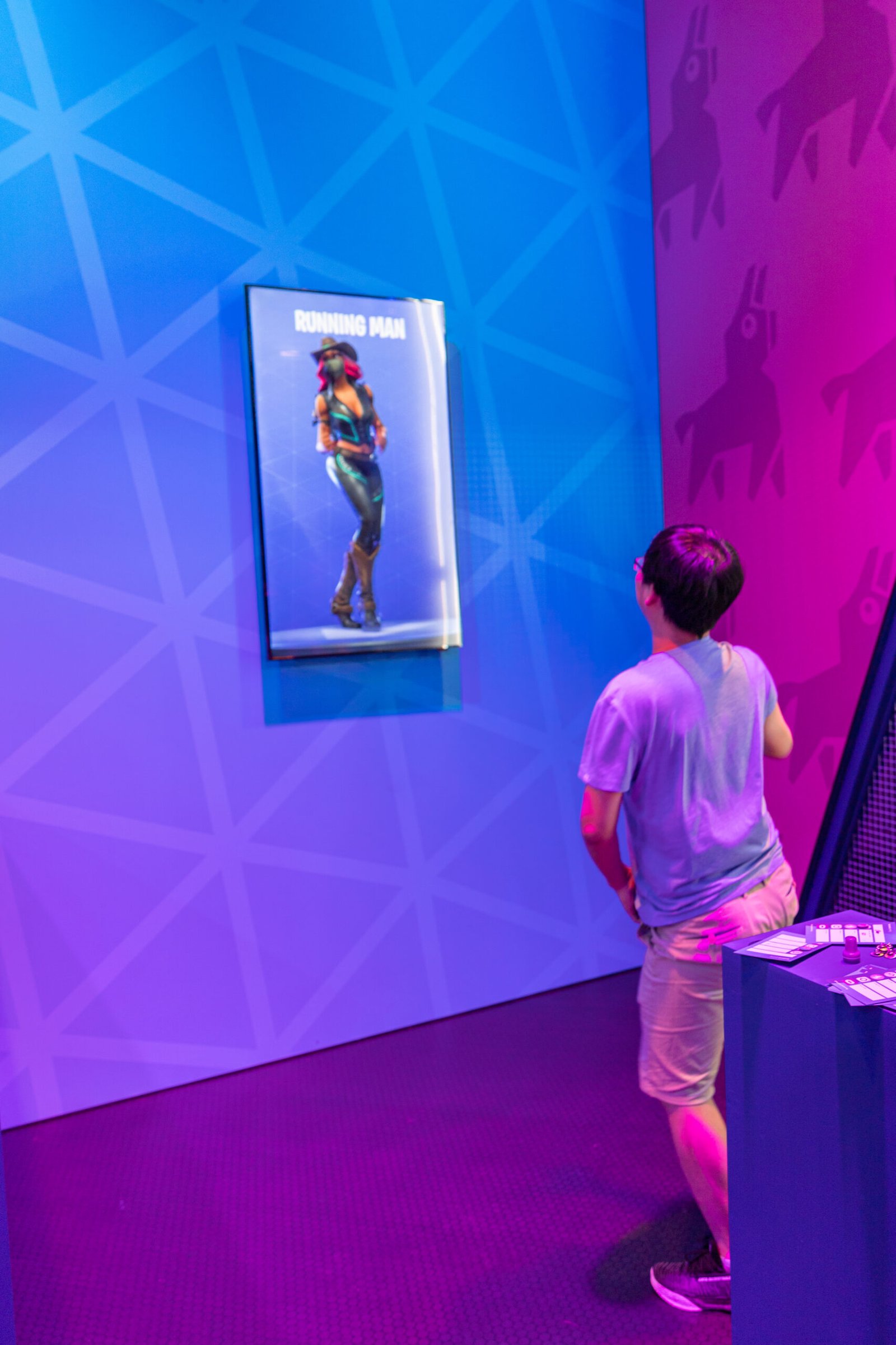
The real price escalation began with crossover collaborations. When Epic announced Travis Scott’s Astronomical concert event in 2020, it wasn’t just a music event — it was a $15–20 skin bundle that millions of fans had to have. The same happened with Marvel’s Spider-Man, Star Wars’ Darth Vader, Dragon Ball’s Goku, and dozens more.
These licensed skins cost more because Epic is paying royalties to IP holders. A generic original skin at 1,200 V-Bucks might run you $9. A licensed Marvel or anime skin? Expect 1,500–2,000 V-Bucks minimum, often bundled into a pack that’s even pricier. The logic is simple: if you’re a Spider-Man fan and a Fortnite player, you’re willing to pay a premium to wear your favourite character.
The Psychology of Digital Cosmetics
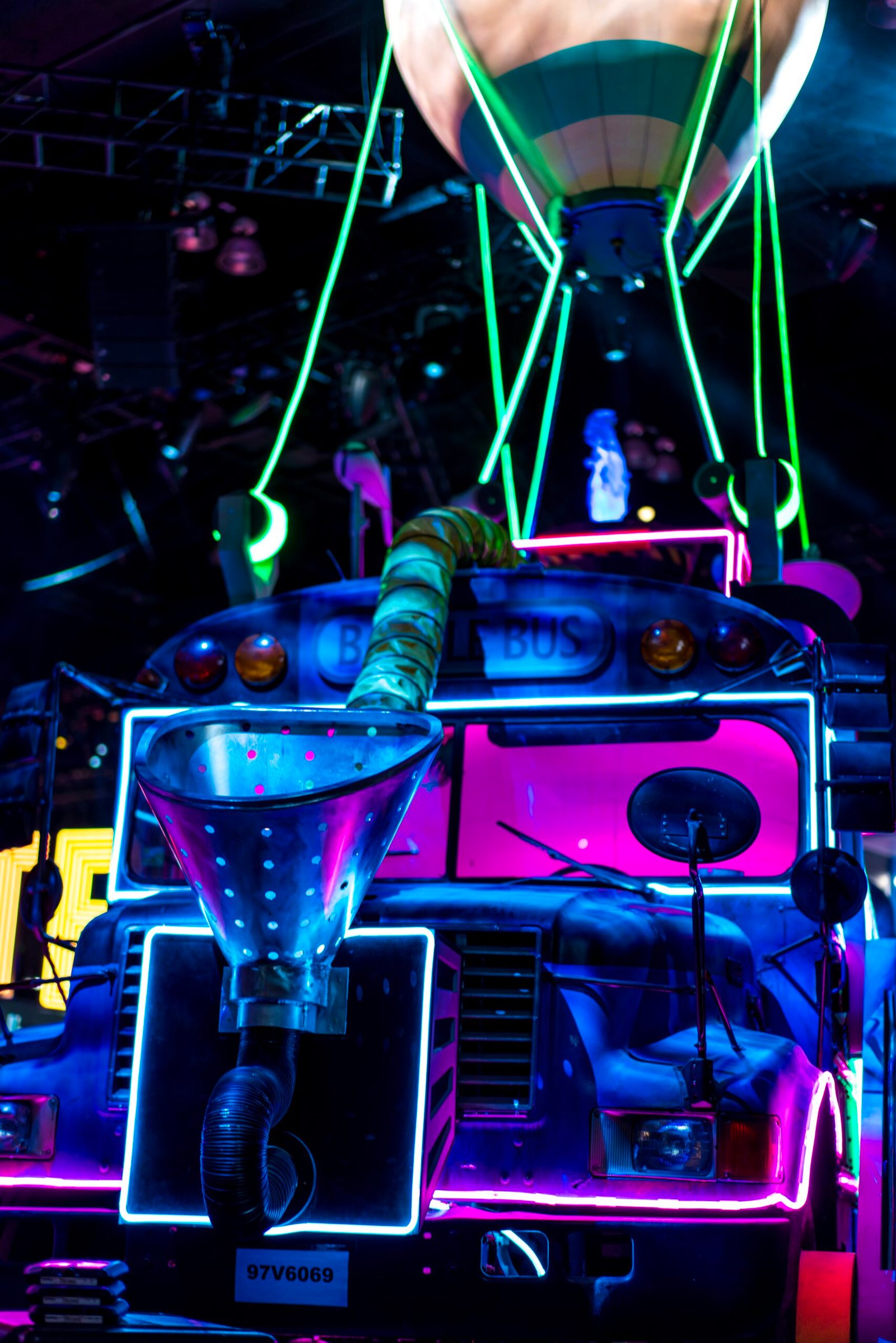
Researchers call it digital self-expression. In a game where every player starts equal mechanically, skins become the primary way to signal identity, status, and taste. Wearing a rare or expensive skin in a lobby full of default-skin players sends a message — and that social signal has real psychological value.
Epic refined this science over years of data. They know which skin types sell, which colour palettes move units, and exactly how long to keep a skin absent before reintroducing it at maximum demand. The Item Shop isn’t a store — it’s a curated psychological experience designed to convert browsing into buying.
Keep Reading: LEGO Batman: Legacy of the Dark Knight: Worth Buying? Review Roundup (2026) · Onimusha: Way of the Sword: Worth Buying? Review Roundup (2026) · The Blood of Dawnwalker: Worth Buying? Review Roundup (2026)
Real-World Brand Collabs Push Prices Even Higher
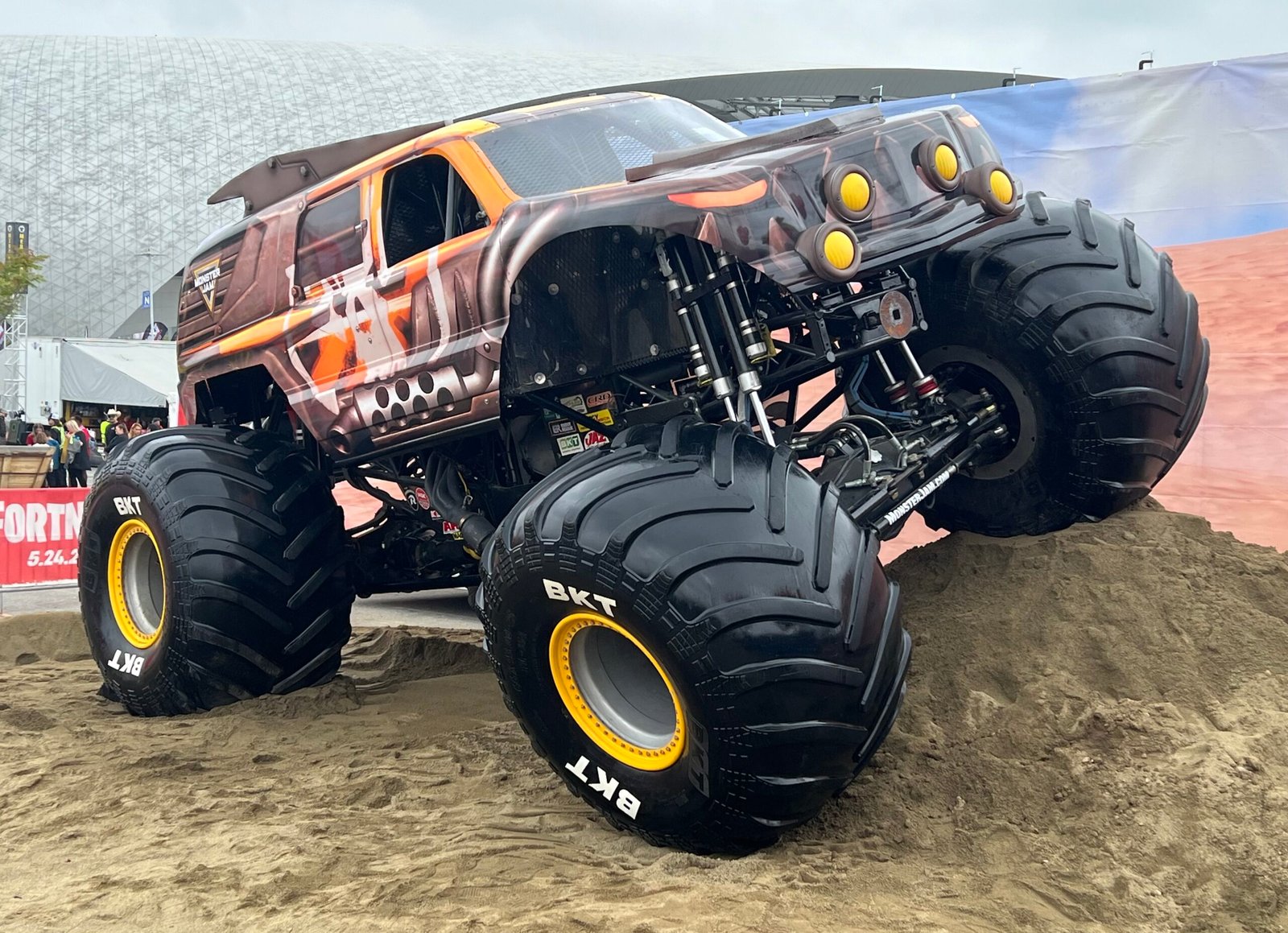
It’s not just video game and movie IPs anymore. Fortnite has partnered with Nike, Lamborghini, and even Monster Jam — the monster truck circuit. These deals bring real-world brand equity into the game and command premium pricing to match. A Nike Air Jordan skin bundle isn’t just a game item; it’s a lifestyle accessory.
Battle Pass vs. Item Shop: Which Is Worth It?
The Battle Pass at 950 V-Bucks (~$7.99) remains the best value in Fortnite. Each season’s pass contains 100 tiers of cosmetics — skins, emotes, wraps, loading screens — that would cost thousands of V-Bucks if sold individually. Many dedicated players focus exclusively on the Battle Pass and avoid the Item Shop entirely.
But here’s Epic’s genius: the Battle Pass creates engagement that drives Item Shop purchases. You’re logging in daily to earn XP, you’re seeing the rotating shop every session, and the skins you unlock make you want to complete the look with matching accessories that aren’t in the pass. It’s a funnel, not a product.
So — Are Fortnite Skins Actually Worth It?
That depends entirely on what you value. Unlike loot boxes, Fortnite skins are what you see is what you get — no gambling, no surprise mechanics. You pick a skin, you know the price, you decide. That’s genuinely better than many monetisation models in gaming.
The honest answer? If a skin makes you smile every time you load into a match, it probably delivered more per-hour value than a cinema ticket. But if you’re buying because the shop timer is running out and you’re afraid of missing it — that’s FOMO talking, not genuine desire. Epic built a machine that’s very good at blurring that line.
The next time you see that countdown clock ticking on a 2,000 V-Buck skin, ask yourself: do I actually want this, or has Epic just convinced me I do?
Keep Reading: The Biggest Games Coming in 2026 — The NerdSnack Release Calendar · The Best Video Games of 2026 (So Far), Ranked by Critics · What Collectibles Are Actually Worth Buying in 2026 — Rated Buy, Watch, or Skip
Frequently Asked Questions
How much can a Fortnite skin cost?
Up to $20 for a cosmetic that does absolutely nothing to gameplay, and prices keep climbing.
Why do people keep buying expensive Fortnite skins?
FOMO — called ‘the most powerful sales tool in gaming’ — drives purchases, alongside collaborations that bring real-world IP into the item shop.
The Weekly Pull
The biggest card price moves, every Friday.
The week’s biggest card and collectible price moves, plus the movie, anime and game releases worth knowing about. Sign up and get our free Black Friday 2026 price-to-beat cheat sheet. Free. Unsubscribe anytime.
Related Posts:
Talk to us
Got a question, a tip or a request? Email us.
A real person reads every message at hello@nerdsnack.com, and we usually reply within 1–2 business days.
Prefer a form? Use our contact page.
Fanatical has the deepest discounts on PC games and bundles — legally key-redeemable on Steam and other platforms.