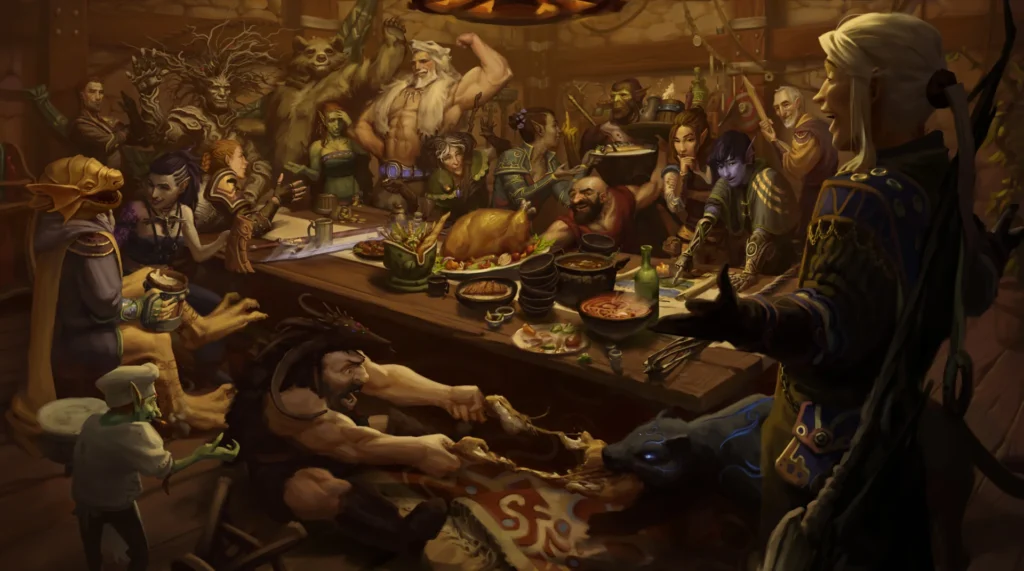
A Dungeons and Dragons session is typically four to six hours long, involves multiple people sitting around a shared space with physical game materials, and requires enough mental focus to track spells, remember NPC names, and occasionally argue about what constitutes a legitimate use of Misty Step. The snack situation requires genuine planning. This is that plan.
The Unique D&D Snacking Challenge
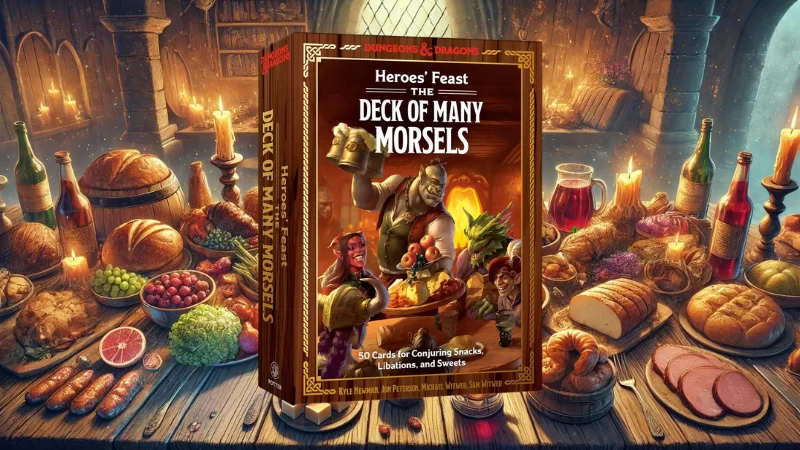
D&D has specific requirements that other gaming sessions do not. You have physical materials — maps, character sheets, handouts, dice — that can be ruined by grease or moisture. You are sharing food with multiple people at a single table. You need to stay mentally sharp for extended periods. And someone is usually the DM who has notes they absolutely cannot get salsa on.
Phase 1: The Opening — Session Setup and Character Recap
The session is starting, the DM is setting the scene, and people are still arriving and getting settled. This is not the time for heavy food. Light, easy snacks that require no plates or utensils are ideal — something people can pick at while they pull up their character sheets and argue about which session it was that they killed that merchant.
Phase 2: The Journey — Deep Into the Session
You are deep in the dungeon. The DM just revealed the villain is actually the party’s old mentor and everyone needs a moment to process. This is the main eating window — something substantial enough to carry you through the combat encounter ahead, manageable enough that it does not break focus.
Phase 3: The Break — Mid-Session Reset
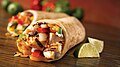
Every session needs a break. This is the moment for heavier food if you want it — people get up, stretch, use the bathroom, and the DM reviews notes for the next encounter. The table is clear because everyone stood up. This is your window for the indulgent option.
Phase 4: The Finale — Combat and Climax
You are in the final confrontation. Every spell slot matters. The barbarian just went down. This is not the time for plate management. Keep it simple, keep it clean, keep it in your hand and out of the way of the battle map.
The DM’s Special Considerations
The DM has notes, printed handouts, a laptop or tablet, and probably a screen hiding their work. They need both hands available at irregular moments and they often eat less during a session because they are managing too many moving parts. A few tips specifically for DMs:
The Cardinal Sin
Eating anything over the battle map. The battle map represents hours of the DM’s work. Miniatures have been placed with care. Initiative has been tracked. Eating a nacho directly over the map and dropping a fragment of chip on it is the equivalent of rolling a natural 1 on your social skills check within the group.
Maps go on the table. Food goes on the edge of the table or on a side surface. This is non-negotiable. If your group uses a battle mat with wet-erase markers, a single greasy fingerprint ruins a corner permanently. Respect the mat. Respect the DM’s time. Respect the story.
NerdSnack Verdict
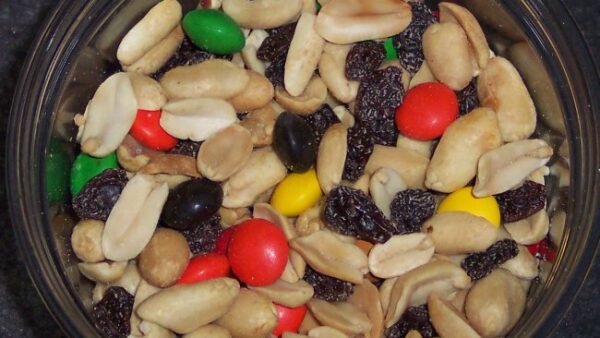
The perfect D&D session snack spread is: trail mix and fruit at the start, a charcuterie board for the main session, sandwiches or wraps if people need something heavier, and gummies plus M&Ms for the finale. Pizza is acceptable with the right protocols. The battle map is sacred.
Plan the food before the session in the same way you plan the encounter. Both deserve the same level of preparation if you want the evening to go smoothly.
May your rolls be high, your snacks be plentiful, and your character sheet remain grease-free for its entire campaign lifespan.
Keep Reading: Best Gaming Snacks That Won—t Wreck Your Con · The Best Gaming Snacks for Long Sessions · Best Energy Drinks for Gaming — Ranked and Reviewe
Frequently Asked Questions
What is the cardinal sin of snacking during a D&D session?
Eating anything over the battle map — a dropped chip fragment or greasy fingerprint can ruin hours of the DM’s careful setup, or permanently damage a wet-erase battle mat.
Where should food go during a D&D session to protect the battle map?
On the edge of the table or on a side surface, never directly over the battle map itself.
Does this guide break down snacking by session phase?
Yes — it covers four phases: the opening/setup, the deep-session journey, the mid-session break, and the finale combat and climax.
Does this guide have DM-specific snacking advice?
Yes — it includes a dedicated ‘The DM’s Special Considerations’ section.
Get authentic Japanese snacks, anime candy, and nerd-themed food delivered to your door. Use code NERDSNACK for 15% off your first box.