Verdict: The best weapons in Monster Hunter Wilds right now are the Long Sword, Great Sword, Bow, Dual Blades and Light Bowgun. Title Update 4 buffed all 14 weapons in December 2025, and no update since has rebalanced them, so this is still the meta on game version 1.042.
Updated September 30, 2026 · Game version 1.042 (August 4, 2026) · Last weapon balance changes: Title Update 4, December 16, 2025
Who this is for: hunters picking a main for the endgame grind, and anyone coming back to Wilds before the Ascendance expansion in 2027 who wants to know what changed.
Monster Hunter Wilds weapon tier list (2026)
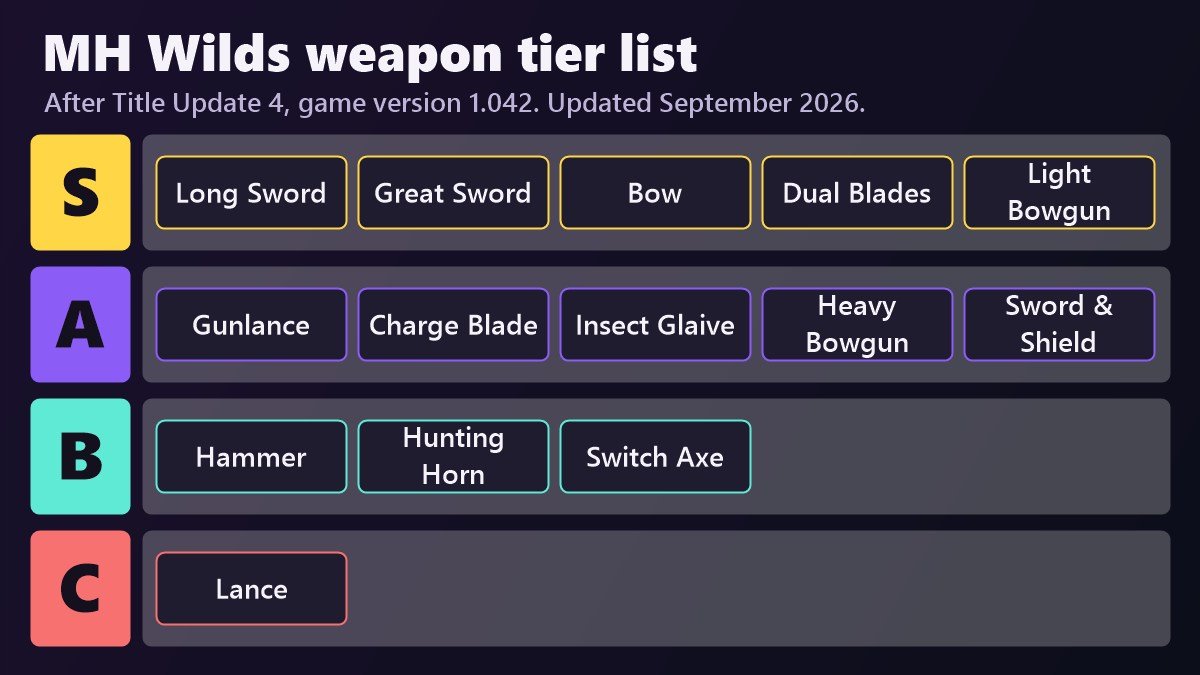
Our Monster Hunter Wilds weapon tier list, updated September 2026 for game version 1.042.
| Tier | Weapons |
|---|---|
| S | Long Sword, Great Sword, Bow, Dual Blades, Light Bowgun |
| A | Gunlance, Charge Blade, Insect Glaive, Heavy Bowgun, Sword & Shield |
| B | Hammer, Hunting Horn, Switch Axe |
| C | Lance |
What changed since our May version: our earlier list was still built on Title Update 3. Now the Light Bowgun and Dual Blades are up to S tier, and the Heavy Bowgun, Sword & Shield and Insect Glaive are up to A. The Gunlance drops from S to A, the Switch Axe from A to B, and the Lance from B to C.
How we ranked the weapons
Every weapon in Wilds can clear every hunt, so this list is about how much each weapon gets out of the current endgame: damage, how easily it keeps that damage up against fast monsters, and how much Title Update 4 helped it.
Our tiers match the post-Title Update 4 consensus. Game8’s tier list, updated for TU4 in January 2026, puts the same five weapons in its top tier. We checked every placement against Capcom’s official patch notes, which is where the reasons below come from.
S tier: the best weapons in MH Wilds
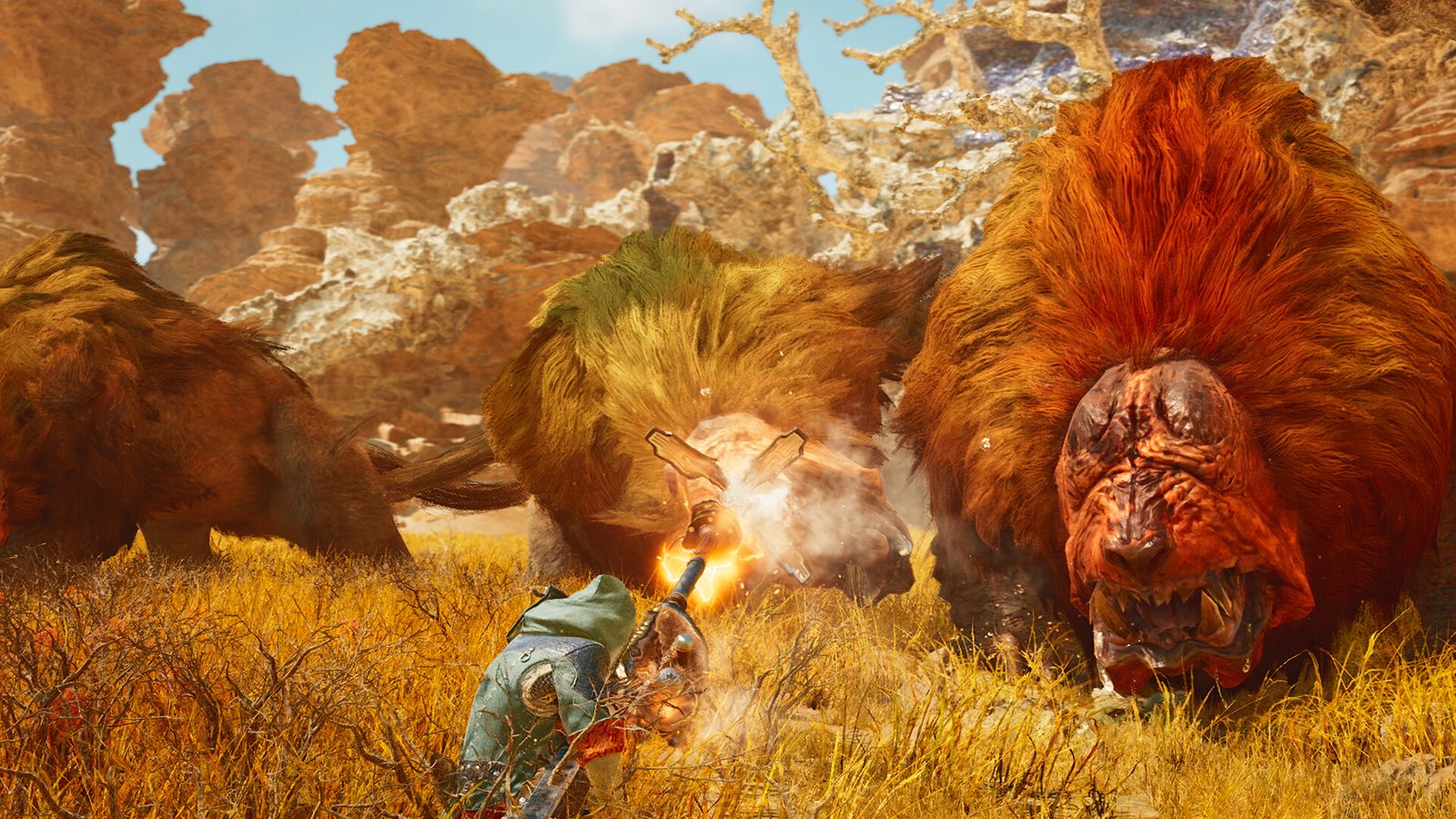
Monster Hunter Wilds. Image: Capcom.
Long Sword: still one of the safest picks for raw damage, with counters that reward reading the monster. TU4 made Special Sheathe stay up longer before it turns itself off, which makes the Iai counter game easier to run.
Great Sword: TU4 increased the raw damage and elemental scaling of Charged Slash, Strong Charged Slash and True Charged Slash, so the whole charge chain hits harder. Few weapons deal more per opening.
Bow: the biggest all-round buff in TU4. Dragon Piercer, Arc Shot, Charged Shot, Power Shot and Thousand Dragons all got more damage, Power and Piercing Coatings scale better, and coatings go on faster.
Dual Blades: up from A to S. Demon Boost Mode now stays active after you sheathe, you can exit Demon Mode after a Demon Dodge, and Focus Strike: Turning Tide eats less sharpness. Game8 also credits the Gogma Artian weapons and a higher elemental cap for making them an elemental damage powerhouse.
Light Bowgun: the weapon that gained the most in TU4, with the longest list of changes of any weapon. Focus Blast: Eagle Strike refills far more of the Rapid Fire Gauge, Adhesive Ammo explosions now refill it too, and Chaser Shots chain into dodges and other shots much more smoothly.
A tier: strong picks with a catch

Monster Hunter Wilds. Image: Capcom.
Gunlance: down from S. Its TU4 changes were small: the Wyrmstake Cannon is easier to land and aim in Focus Mode, and guarding big hits costs less health. It’s still strong. The weapons around it just got bigger buffs.
Charge Blade: fewer hit stops in Power Axe Mode means multi-hit attacks finish faster, and the guard point window on Axe: Morph Slash is longer. Hard to learn, but high reward.
Insect Glaive: you can now chain into Descending Slash with short inputs, Sidestep Slash does more damage, and attack speed goes up after you collect all three extracts.
Heavy Bowgun: Wyverncounter Ignition now refills the Ignition Gauge when you offset an attack, and you’re no longer knocked back when you fire it.
Sword & Shield: Forward Slash hits harder, Perfect Rush lands more easily, and Perfect Guard flows into attacks faster. It’s the most forgiving weapon in the game.
Keep Reading: Monster Hunter Wilds Beginner's Guide: Weapons, Monsters, and Tips for New Hunters · Marvel Rivals Tier List (Season 10): Every Hero Ranked by Win Rate · Best Fighting Games of All Time — The Definitive Ranked List
B tier: good in the right hands
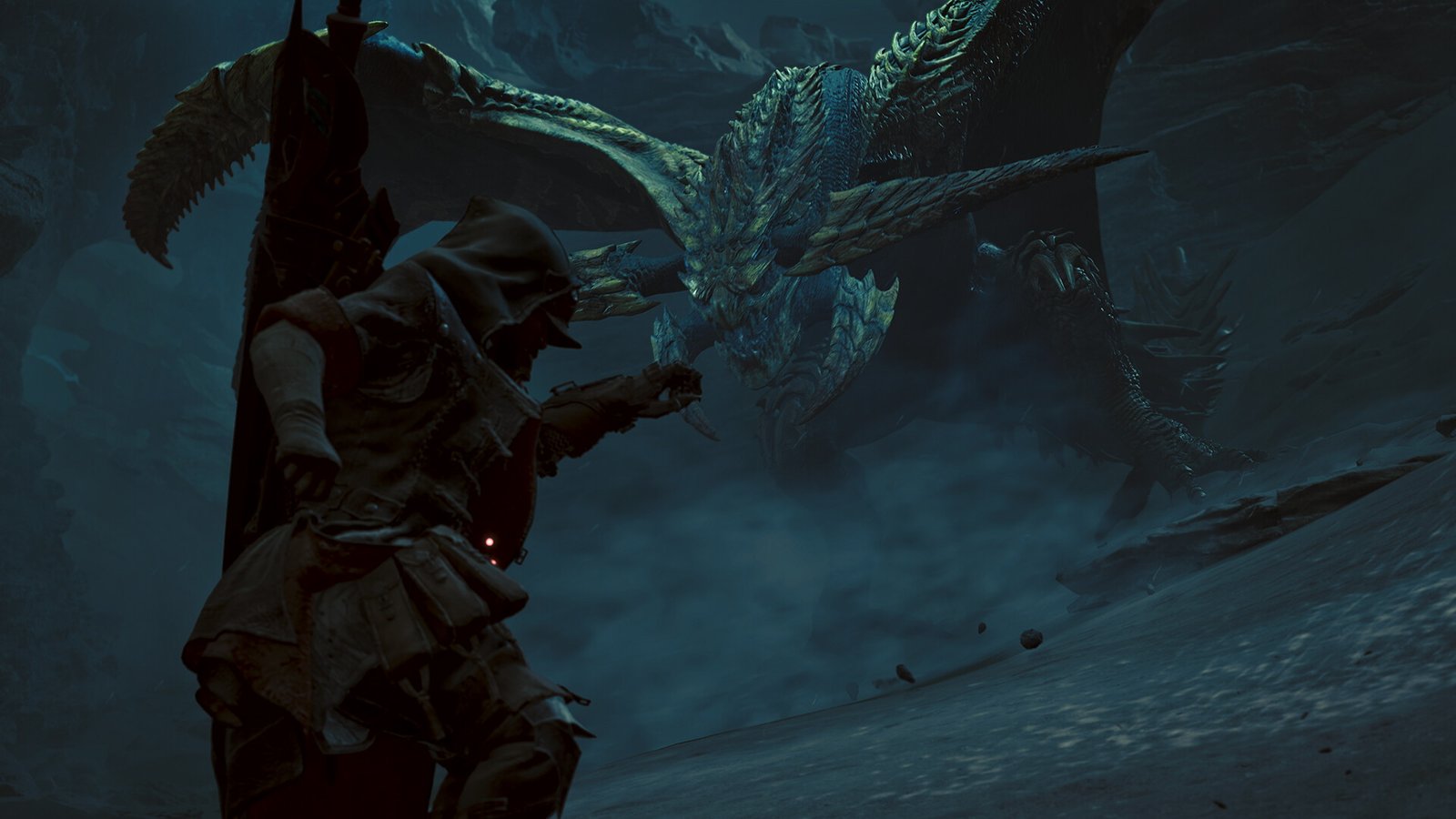
Monster Hunter Wilds. Image: Capcom.
Hammer: the knockout specialist. TU4 lets you steer a Follow-up Spinslam to cover more ground, which helps you stay on the head.
Hunting Horn: Game8 moved it up a tier after TU4. Performance Beat does a bit more damage, and Game8 notes that songs on the Gogma Artian weapons make sharpness and Divine Blessing easier to manage. It adds more to a group than its damage numbers show.
Switch Axe: got one of the longest lists of changes. You can sidestep out of Counter Rising Slash, evade while charging Unbridled Slash and Full Release Slash, and dodge faster after a Zero Sum Discharge finisher. That’s a big comfort boost, but its damage still trails the tiers above it.
C tier: viable, but outclassed
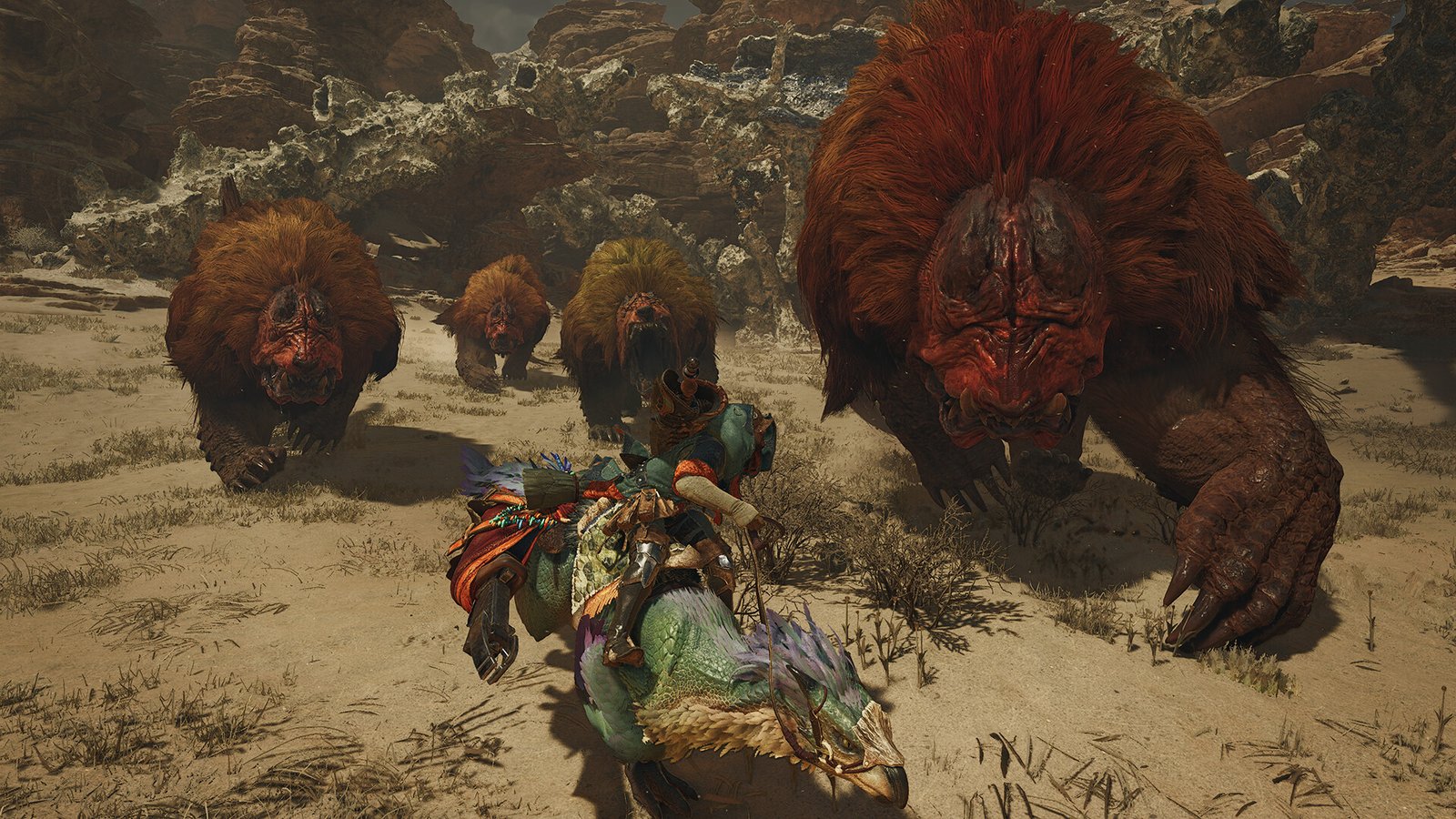
Monster Hunter Wilds. Image: Capcom.
Lance: TU4 raised the damage on its thrusts, Triple Thrust and counters, and made its guard even stronger. It’s the tankiest weapon in Wilds and can clear everything, but even after the buffs, Game8 still ranks it last.
What’s the best weapon for new players?
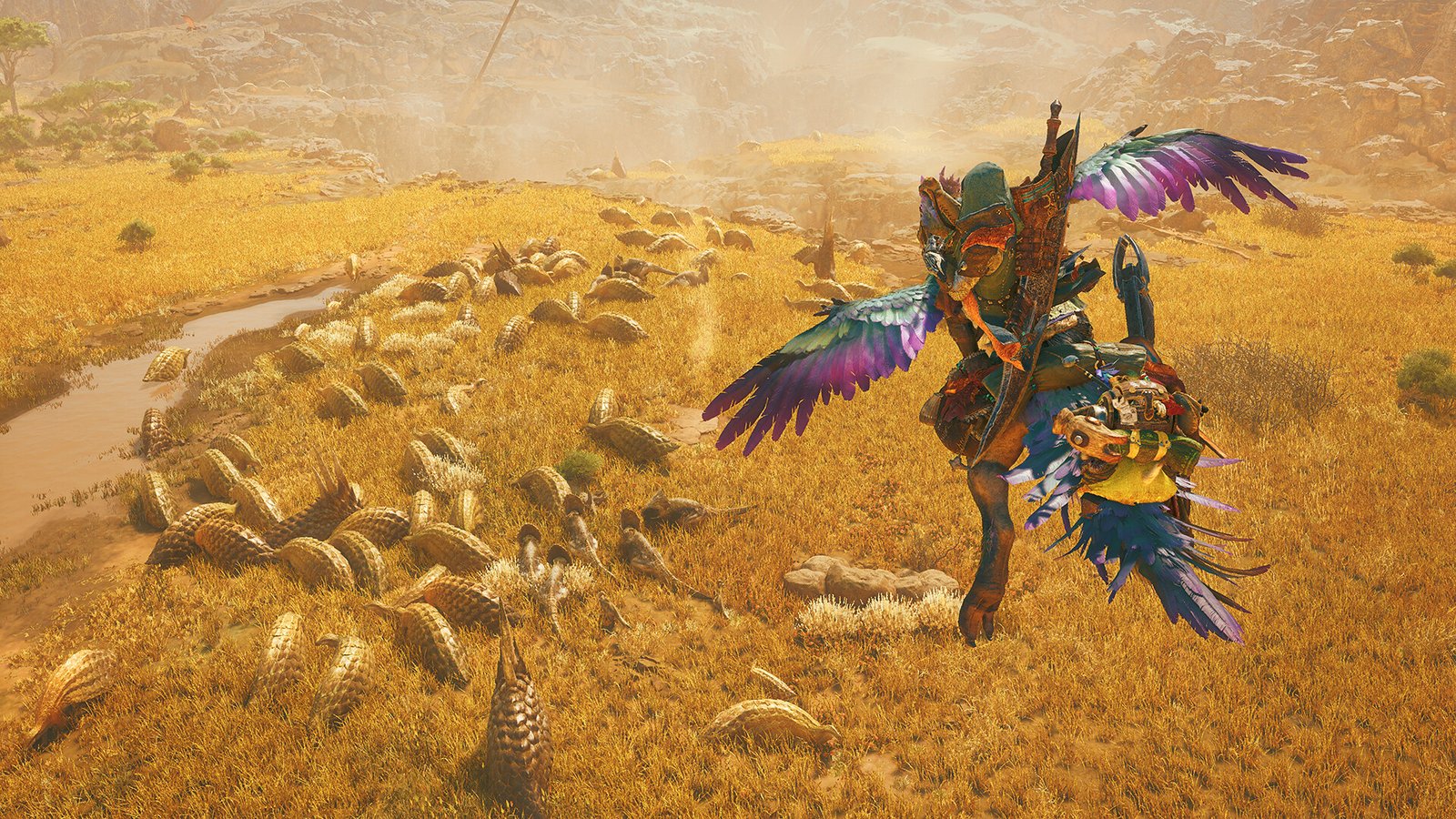
Monster Hunter Wilds. Image: Capcom.
Long Sword or Sword & Shield. The Long Sword’s basic combos work right away, and every mechanic you learn after that adds damage. The Sword & Shield is even more forgiving, and its TU4 buffs make it smoother than at launch. If you want to play at range, the Bow is the S-tier pick that’s easiest to pick up.
Save the Charge Blade, Insect Glaive and Gunlance for your second weapon. They’re strong, but they’re easier to learn once you know how Wilds’ Focus Mode and wound system work.
Will the Wilds meta change again?
Yes, with the Ascendance expansion in 2027. Capcom announced Monster Hunter Wilds: Ascendance at Summer Game Fest 2026. It adds the Skybound Eyrie, a new area of floating ruins, and the Boost Bracer, which adds new weapon-specific actions for attacks, combos and movement. That’s likely to shake up this list. A Nintendo Switch 2 version of Wilds is also in development, with no release date yet.
Until then, version 1.042 (August 2026) added offline access to past event quests and fixed bugs, but it didn’t touch weapon balance.
Playing Marvel Rivals too? See our Marvel Rivals Season 10 tier list, with every hero ranked by ranked win rate.
Frequently Asked Questions
What is the best weapon in Monster Hunter Wilds?
The Long Sword, Great Sword, Bow, Dual Blades and Light Bowgun are the top tier after Title Update 4. The Bow and Light Bowgun got the biggest buffs.
What is the best weapon for beginners in MH Wilds?
The Long Sword or the Sword & Shield for melee, and the Bow if you’d rather play at range.
Did Title Update 4 change the weapons?
Yes. It adjusted all 14 weapon types on December 16, 2025, with the biggest buffs going to the Light Bowgun, Bow, Switch Axe, Charge Blade and Insect Glaive. No update since has rebalanced weapons.
When is the next big Monster Hunter Wilds update?
The Ascendance expansion is due in 2027. Capcom hasn’t announced a release date yet.
Next step: pick one S-tier weapon and build around it before Ascendance adds the Boost Bracer. For more gaming guides, see our best games of 2026 and every Tokyo Game Show 2026 announcement.
Sources: weapon changes from Capcom’s official Title Update 4 patch notes and update list. Tier placements cross-checked with Game8’s Title Update 4 tier list. Ascendance details from Game Informer. Images: Capcom.




Fanatical has the deepest discounts on PC games and bundles — legally key-redeemable on Steam and other platforms.