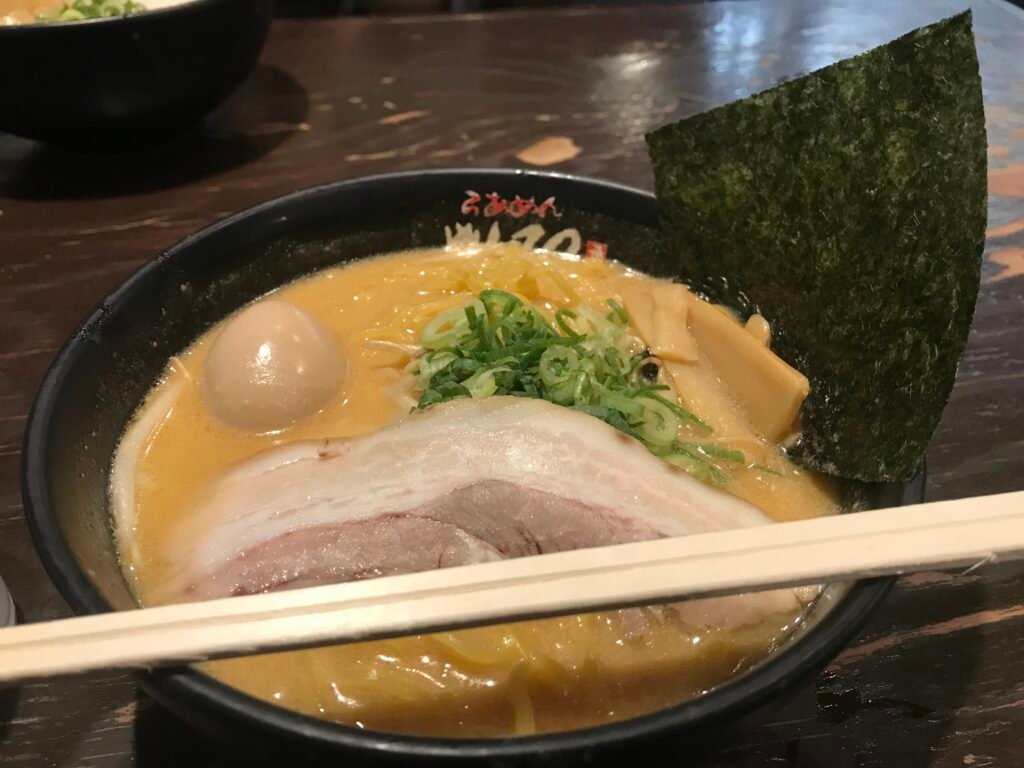
There is a ramen shop in the city of Fukuoka, Japan, that Masashi Kishimoto — the creator of Naruto — used to visit as an art student. He loved it enough to name his most iconic recurring location after it: Ichiraku Ramen, the small noodle stand where Naruto Uzumaki has eaten more bowls than most humans eat in a lifetime. Over the course of the series, Naruto sits down at that counter through loneliness, through celebration, through post-battle recovery, and through some of the most emotionally resonant scenes the franchise ever produced. And every single time, he orders the same thing: miso ramen with extra pork. Then orders another. And another.
The Ichiraku Ramen challenge is simple on paper. You eat like Naruto. You sit down, you order a bowl of miso ramen, you finish it, and you keep going. The question is: how far can you actually get before the reality of consuming that much hot broth, thick noodles, and fatty pork belly catches up with you? We broke down what the challenge actually requires, what you need to know about building the right bowl, and what the experience of attempting it feels like at every stage.
Understanding Naruto’s Order
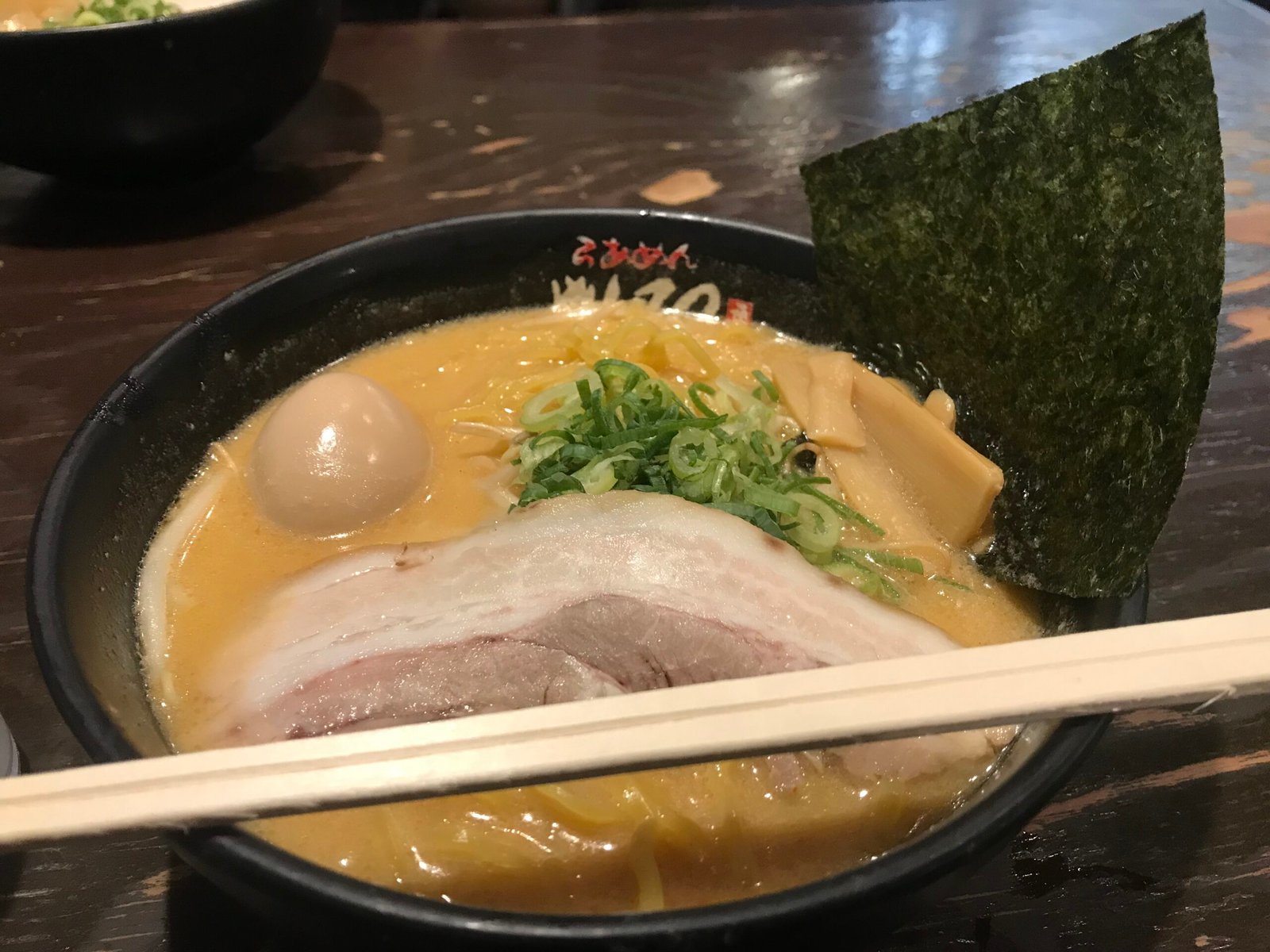
Naruto’s preferred bowl is miso ramen — specifically a style that blends white miso paste into a pork bone (tonkotsu) base, producing a broth that is simultaneously rich, slightly sweet, nutty, and deeply savory. It is a heavier style than the delicate shoyu or shio ramen popular in Tokyo, and that distinction matters for the challenge: miso ramen is among the most calorie-dense of the major ramen styles, typically running between 550 and 750 calories per bowl depending on the restaurant and toppings.
The standard toppings on an authentic miso ramen include chashu (braised pork belly or shoulder), menma (fermented bamboo shoots), green onions, nori (dried seaweed), and a soft-boiled marinated egg. Naruto always adds extra pork. This matters because a double chashu order adds another 100 to 150 calories per bowl, bringing the total per serving to somewhere between 650 and 900 calories for a fully loaded bowl with extra meat.
Naruto is conservatively shown eating four to six bowls in a single sitting on multiple occasions. Post-battle scenes in Shippuden suggest he may go higher. Setting a realistic challenge target at five bowls means consuming approximately 3,250 to 4,500 calories in one session — before drinks, before sides, and while managing the sodium load of that much miso broth, which is the detail most people doing this challenge fail to prepare for adequately.
The Narutomaki Connection You Need to Know
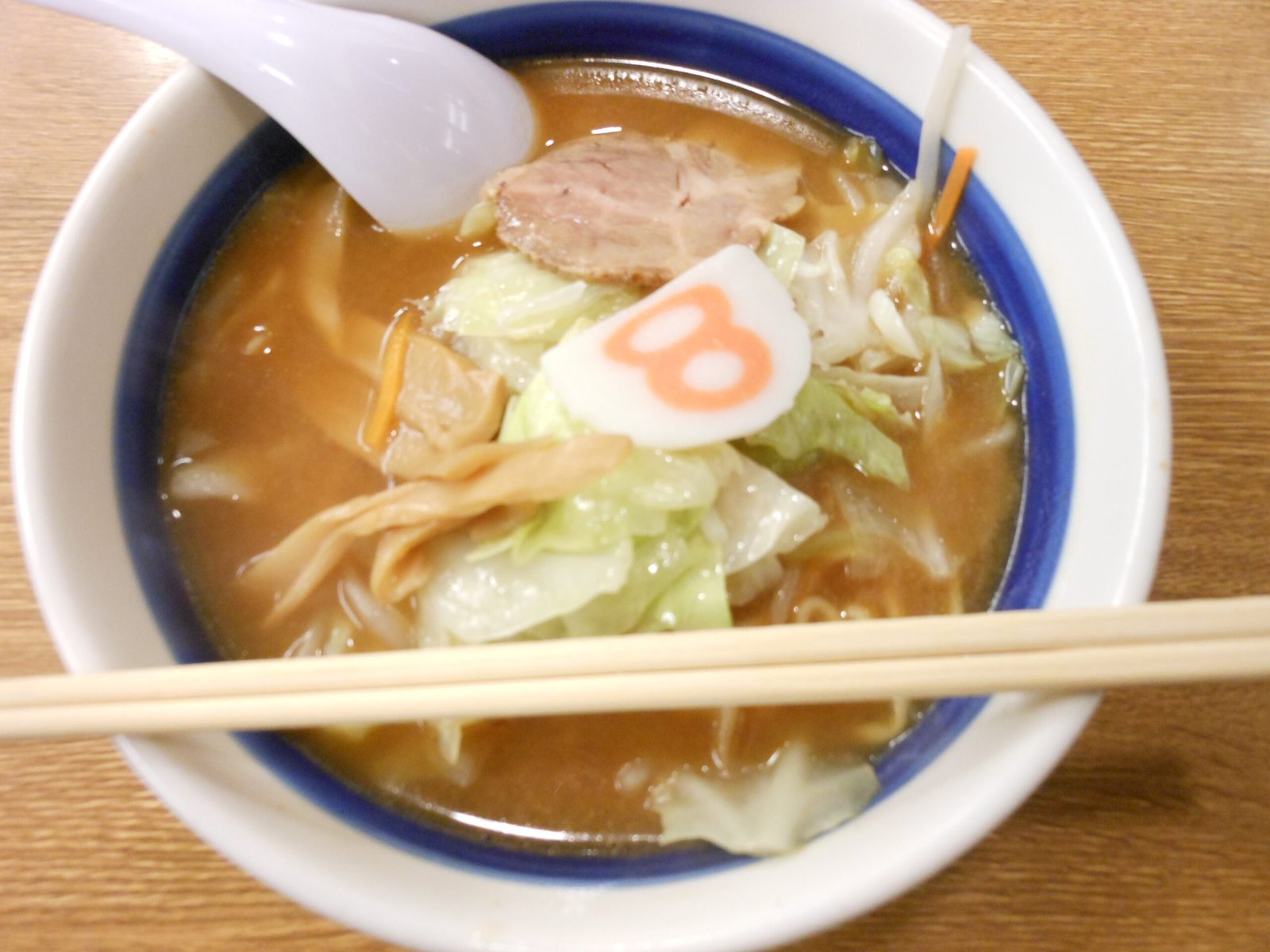
Before you sit down to attempt this challenge, you need to know the origin of the narutomaki, because it reframes the entire concept. Narutomaki is a type of kamaboko — a Japanese fish cake made from processed white fish — formed into a cylinder with a distinctive pink-and-white spiral pattern through the center. When sliced, each piece reveals the spiral, which is meant to evoke the shape of the whirlpools (naruto) of the Naruto Strait, the stretch of water between Awaji Island and Shikoku where some of the fastest tidal whirlpools in the world form.
Masashi Kishimoto has confirmed that he named his protagonist after this ingredient. He was looking at a bowl of ramen, saw the narutomaki spiral, and decided that was his character’s name. So the fish cake did not get named after the anime — the anime got named after the fish cake. This means that every bowl of ramen that contains narutomaki is, in a very real sense, a Naruto ramen. The challenge is not just eating like a fictional ninja. It is eating a dish whose most iconic garnish gave that ninja his identity.
A properly built Ichiraku-style bowl must include narutomaki. Without it, you are eating miso ramen. With it, you are eating the ramen.
Keep Reading: Goku's Diet: How Much Saiyans Eat (and How to Eat Like One) · The Attack on Titan Potato Challenge: Eating Like Sasha Blouse for a Day · Jujutsu Kaisen Food: Every JJK Character's Favorite Food
How to Build the Challenge Properly
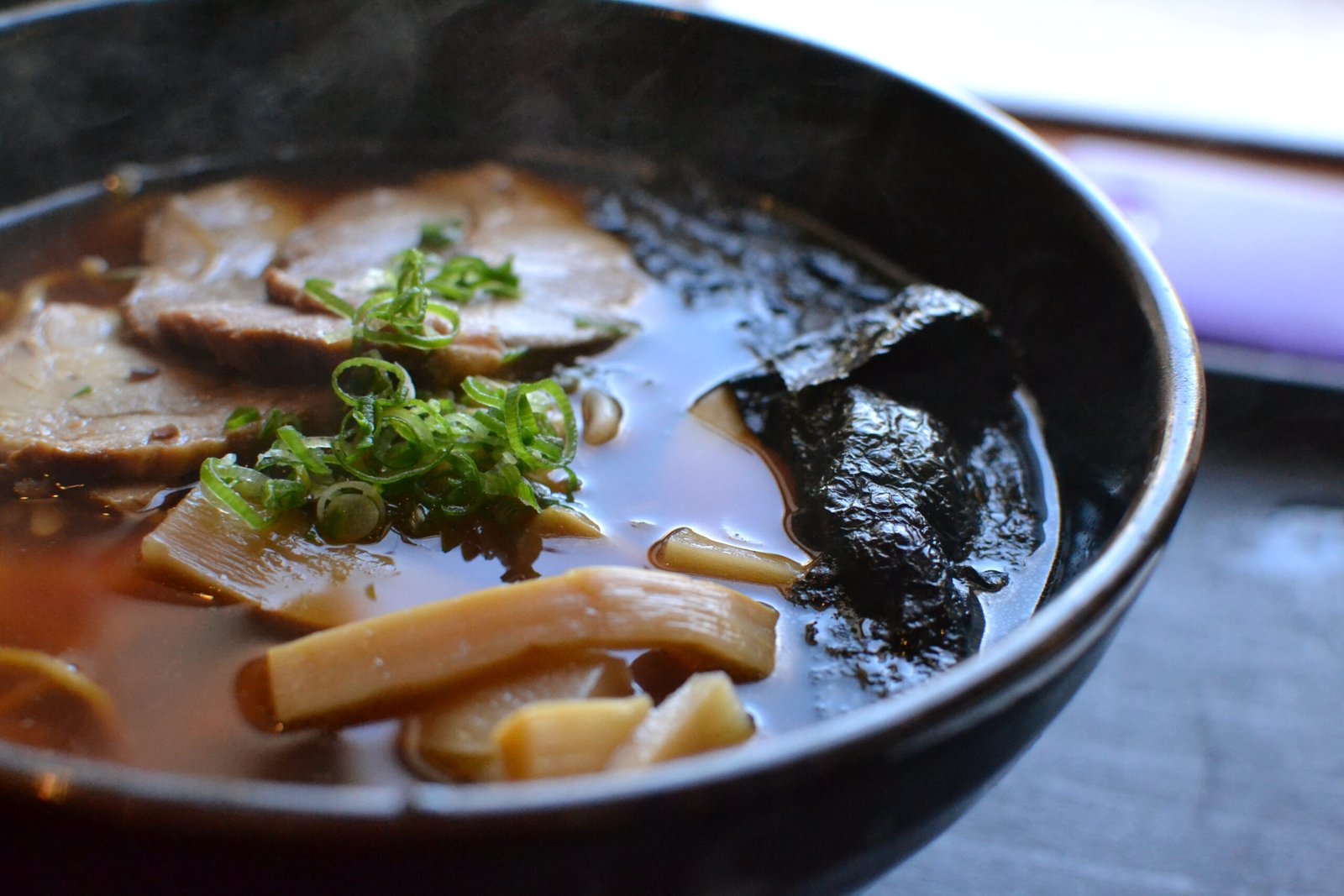
The best venues for an Ichiraku challenge are ramen shops that offer kaedama — the Hakata-style system where, when you finish your noodles, you can order an additional noodle serving dropped into your remaining broth. This is how you extend the experience without wasting bowl after bowl of broth, which is both expensive and physically punishing in large volumes. A kaedama system lets you manage the liquid intake more carefully while still pushing your noodle and pork consumption.
Set your target at five bowls (or kaedama rounds) to match the lower end of what Naruto demonstrates on screen. This is already a serious undertaking. Ten or more bowls — which Naruto hits in his most enthusiastic eating scenes — is competitive eating territory that requires months of stomach stretching training and is not advisable as a casual attempt. Five is hard. Five is the challenge.
Practical advice for the attempt: eat nothing substantial for six hours beforehand. Drink water — not juice or soda — in the hours leading up to it to ensure you are hydrated but not full. Order your first bowl with all the standard toppings including narutomaki and extra chashu. Eat at a pace that matches Naruto’s — enthusiastically but not frantically. Between bowls, take three to five minutes. The broth will keep the noodles warm. The pause allows your stomach to communicate more accurately with your brain about remaining capacity.
Most people who attempt five bowls reach a wall between the third and fourth. The broth sodium accumulates. The noodles expand in your stomach. The fat from the chashu creates a heaviness that is distinct from simple fullness — it is the particular satiation of a dish built around pork bone collagen and miso paste, and it arrives suddenly. If you hit four and feel the wall, you have matched what most people are physically capable of on a first serious attempt. Five is a real achievement. More than five is genuinely impressive and should not be pushed without experience.
What the Challenge Actually Feels Like
The first bowl is straightforward — in fact, the first bowl of a great miso ramen is one of the most satisfying food experiences available. The broth is warming, the noodles have the right resistance, and the chashu dissolves against the tongue in a way that makes it genuinely difficult to pace yourself. The second bowl arrives and still feels manageable. You are in Naruto mode. You understand, viscerally, why this is his comfort food.
The third bowl is where it becomes a challenge rather than a meal. The broth is now competing with a stomach that has already processed significant sodium and carbohydrate. The noodles are less appealing than they were sixty seconds after the first bowl arrived. You are eating with your willpower now, not your appetite. This is the specific quality that Naruto’s eating scenes capture without ever articulating it: his hunger is not ordinary hunger. It is the particular voraciousness of someone who grew up eating alone, who treats each bowl as both food and the presence of the one person in the village who chose to feed him without judgment. You are not going to replicate that motivation. But understanding it makes the challenge feel like something more than just eating a lot of noodles.
The fourth and fifth bowls are endurance. Eat them if you can. Sit with it. And then, if you make it through, go home and drink a large glass of water, because the sodium in five bowls of miso ramen will catch up with you overnight, and Naruto never shows you that part of the story either.
Keep Reading: How to Make Naruto’s Legendary Ichiraku Ramen at Home (Real Recipe) · Jujutsu Kaisen Food: Every JJK Character's Favorite Food · Goku's Diet: How Much Saiyans Eat (and How to Eat Like One)
Frequently Asked Questions
Is Ichiraku Ramen based on a real ramen shop?
Yes — Naruto creator Masashi Kishimoto named the shop after a real ramen spot in Fukuoka, Japan that he used to visit as an art student.
How does Naruto use Ichiraku Ramen throughout the series?
Naruto sits at that counter through loneliness, celebration, post-battle recovery, and some of the most emotionally resonant scenes the franchise ever produced.
The Weekly Pull
The biggest card price moves, every Friday.
The week’s biggest card and collectible price moves, plus the movie, anime and game releases worth knowing about. Sign up and get our free Black Friday 2026 price-to-beat cheat sheet. Free. Unsubscribe anytime.
Related Posts:



Talk to us
Got a question, a tip or a request? Email us.
A real person reads every message at hello@nerdsnack.com, and we usually reply within 1–2 business days.
Prefer a form? Use our contact page.
Get authentic Japanese snacks, anime candy, and nerd-themed food delivered to your door. Use code NERDSNACK for 15% off your first box.