Grand Regent Thragg is, by most reasonable measures, the single most dangerous character in the entire Invincible universe. He is not dangerous in the way that Omni-Man is dangerous — through a conflict of loyalty and hidden agenda — nor in the way Angstrom Levy is dangerous, through intellect and interdimensional reach. Thragg is dangerous the way a force of nature is dangerous: utterly without sentiment, bred from birth to be the apex of a species that already sits at the apex of known life. He is the final boss of Invincible in the truest sense, and the way Robert Kirkman and Ryan Ottley constructed him on the page differs in meaningful ways from how Amazon’s animated adaptation has chosen to portray him on screen.
This article examines those differences closely — the visual design choices, the power scaling, the personality, and the structural role Thragg plays in each version of the story. It’s worth noting upfront that while Season 3 of the animated series briefly acknowledged Thragg’s looming presence, his full introduction to the show takes place in Season 4, where he is voiced by Lee Pace. That timing shift is itself one of the more telling differences between the two versions, and it reveals a great deal about how the showrunners have chosen to pace his threat.
Who Thragg Is in the Comics
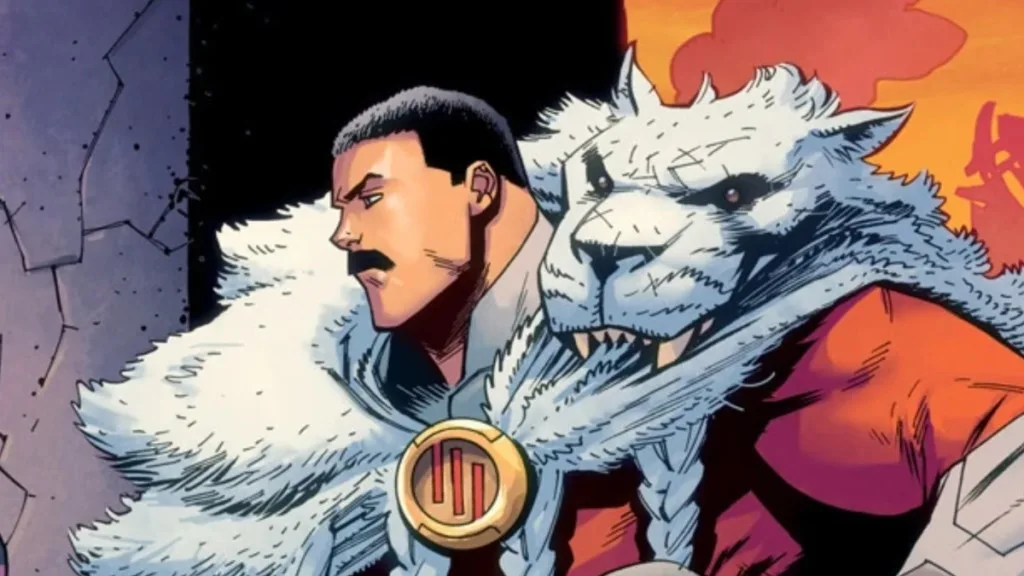
In the Invincible comic series, published by Image Comics from 2003 to 2018, Thragg is introduced as the Grand Regent of the Viltrum Empire — the highest military and political authority among Viltrumites. He was not born into that title through inheritance. He was bred for it. Following the assassination of Emperor Argall and the chaos of the subsequent civil war, and then the near-extinction of the Viltrumite race by the Scourge Virus — which killed 99.9 percent of the population — Thragg emerged as the sole figure capable of holding the shattered empire together.
What makes Thragg exceptional even among Viltrumites is the degree of his superiority. Viltrumites are already, as a species, among the most powerful beings in the comic’s universe — capable of flight, superstrength that can level cities, near-invulnerability, and a healing factor that allows them to survive injuries that would kill virtually any other organism. Thragg surpasses all of them. He defeated Battle Beast in direct combat — a feat that puts his physical capability in an entirely different category. He absorbed immense punishment from Omni-Man. He fought and eventually killed Omni-Man in a prolonged battle that remains one of the most brutal sequences in the comic’s run.
Beyond raw power, the comic version of Thragg is defined by his strategic mind. He does not fight out of anger. He fights out of calculation. Every decision he makes serves a long-term objective: the repopulation and ultimate triumph of the Viltrumite race. This leads to one of the comic’s most disturbing storylines — Thragg secretly fathering hundreds of hybrid children on the planet Thraxa, engineering a new generation of Viltrumite-hybrid warriors. It is a plan years in the making, executed with the patience of someone who has had centuries to learn how empires are built and maintained.
Visual Design: From Page to Screen
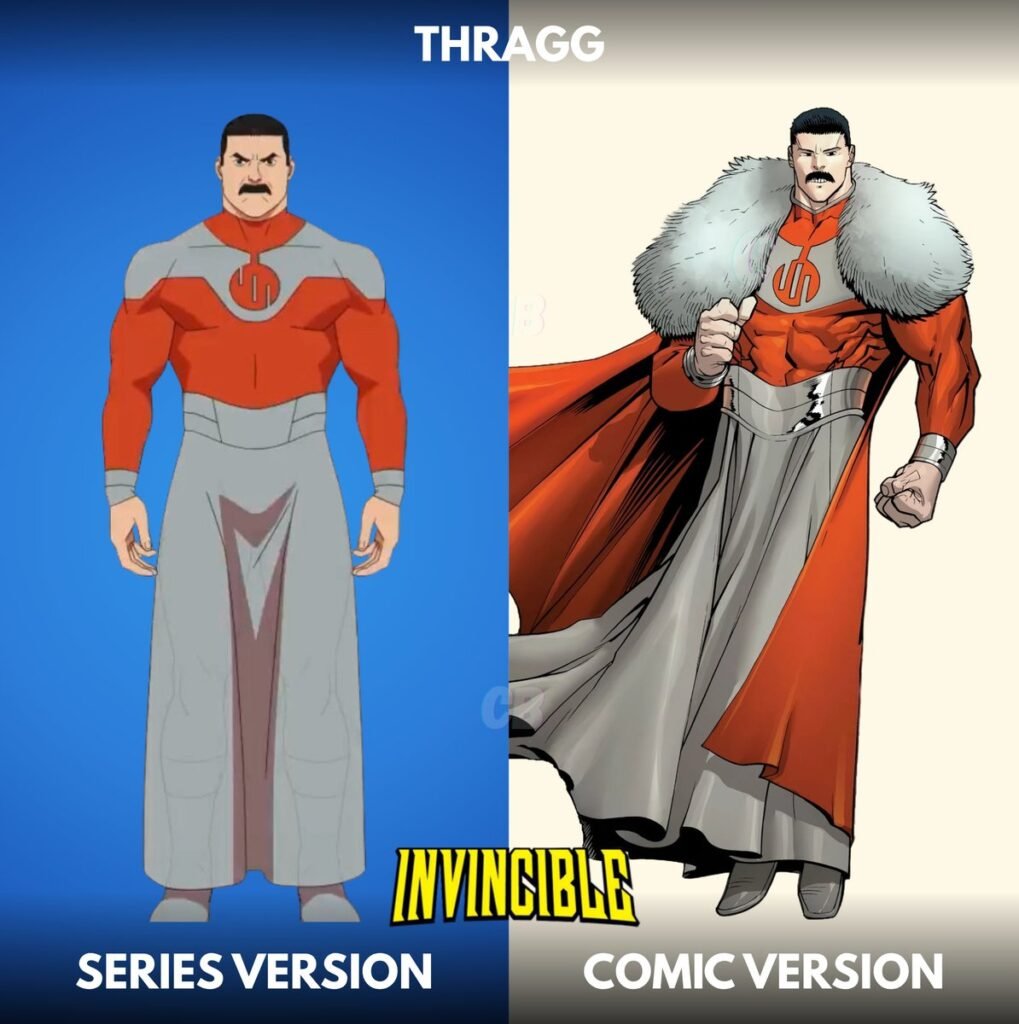
Ryan Ottley’s Thragg is unmistakable on the page. He is drawn as physically massive — broader and more imposing than Omni-Man, who is himself depicted as a figure of enormous presence. His face is angular and severe, with a pronounced jaw and eyes that register no warmth whatsoever. He wears the white uniform of the Viltrumite Grand Regent, which Ottley renders with a formal, almost military precision. The white against Thragg’s olive-toned skin creates an immediate visual contrast — he looks like a figure of institutional authority who also happens to be capable of ripping a spacecraft in half.
The animated series largely preserves this design. The showrunners clearly understood that Thragg’s physicality is a core part of his character — that his threat is supposed to be visible before he says a single word. The animated Thragg retains the white uniform, the severe facial structure, and the size differential that places him above other Viltrumites. Where the two versions diverge most visibly is in the fluidity of motion. Animated Thragg moves with a weight and deliberateness that is difficult to convey in static comic art. The show has the ability to show how a being of his mass accelerates, decelerates, and absorbs impact — and the animation team has used this to considerable effect in the sequences where he appears.
The Power Scaling Difference
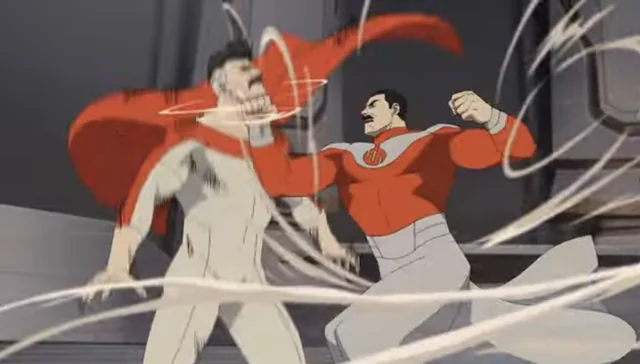
This is where the two versions diverge most significantly, and it is a deliberate choice by the show’s creative team rather than an oversight. In the comics, Thragg is unambiguously the most powerful Viltrumite alive — but the gap between him and other elite Viltrumites, while real, is not absolute. In the Viltrumite War arc, Mark Grayson lands meaningful hits on Thragg. He draws blood. He forces Thragg to actually respond to the fight rather than simply endure it. The comic Thragg is dominant, but he is dominant within a recognizable spectrum of power.
The animated version has significantly expanded that gap. In the show’s Viltrumite War sequences, Thragg shrugs off blows that would seriously damage any other character in the series. The punch that causes a nosebleed in the comic — a small but symbolically important moment, showing that Thragg can be hurt — becomes in the show an occasion to demonstrate how little the same strike actually registers. This is a conscious creative decision to make Thragg feel like a different category of threat entirely. Show Thragg does not operate on the same power scale as the Viltrumites around him. He operates on his own scale.
The effect of this change on narrative tension is interesting. By making Thragg so definitively superior in the show, the showrunners have removed some of the uncertainty about how any direct confrontation will go. But they have also made him a more effective symbol of what the Viltrumite empire represents at its absolute worst — a hierarchy where the person at the top is not just politically dominant but physically beyond challenge.
Personality: The Strategic Mind — and the Comedian
The comic version of Thragg has layers that may surprise readers who encounter him only through the animated series. He is primarily a cold strategist — there is no question about that — but Robert Kirkman occasionally reveals unexpected dimensions to the character. In the comics, Thragg is noted to have a dry, cutting sense of humor. It appears rarely, and it never makes him sympathetic, but it adds a texture to the character that keeps him from being a purely two-dimensional villain. A being who has survived centuries and overseen the near-extinction and subsequent rebuilding of his species is going to have developed some capacity for dark irony about the absurdity of existence — and Kirkman leans into this, if subtly.
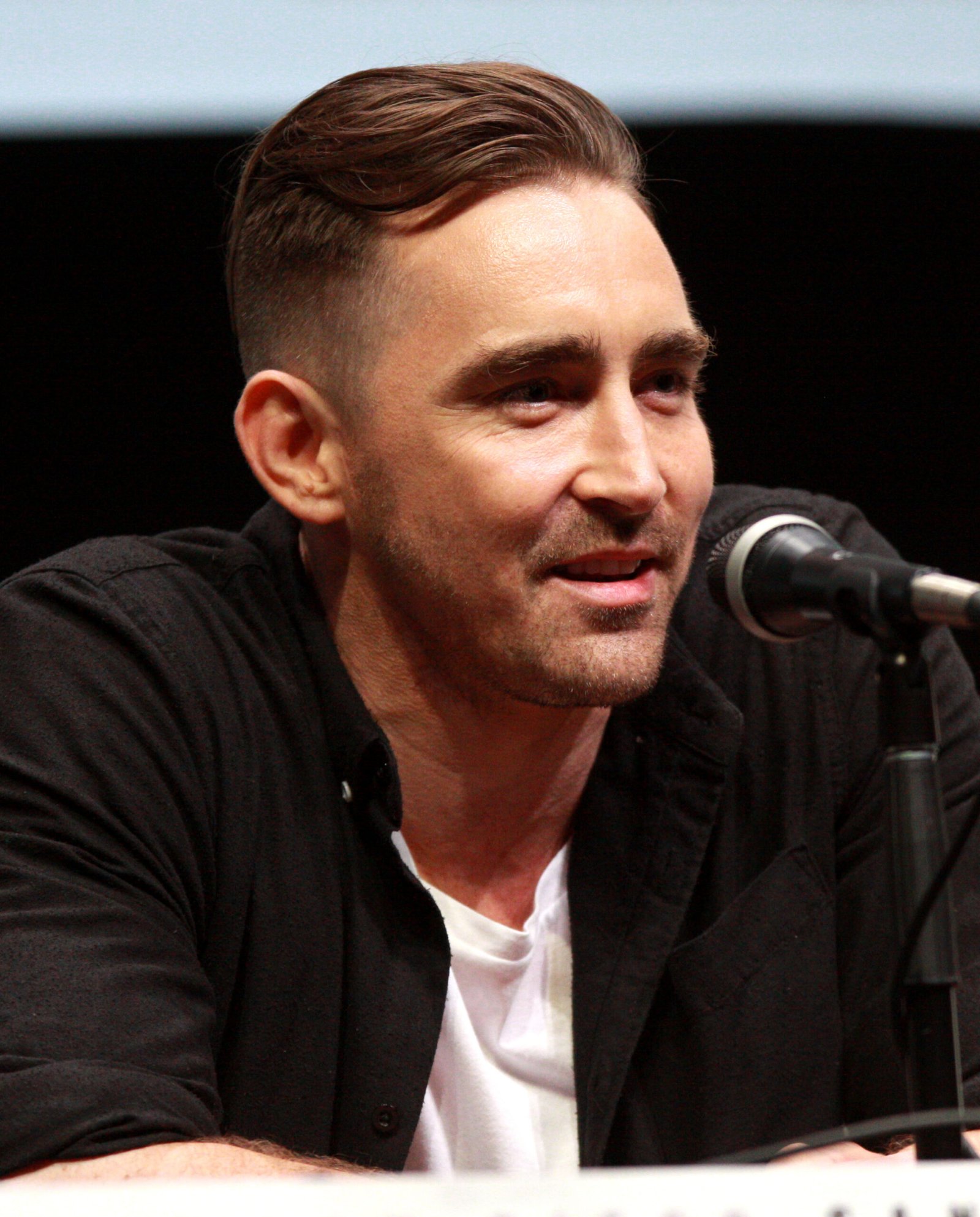
The animated adaptation, as it stands through Season 3 and into Season 4, has not yet introduced this dimension. Lee Pace’s casting and the early descriptions of his performance suggest a Thragg who is entirely stoic — a figure whose silence is itself a form of threat. This is a valid interpretation and one that will likely be more accessible to a television audience encountering the character for the first time. But it does mean that the multi-layered quality of the comic Thragg, the sense that there is a full consciousness behind those cold eyes with genuine opinions about the universe, has been set aside in favor of a more archetypal portrayal of absolute power.
Keep Reading: Invincible Season 3: What Happened, What It Means, and What Comes Next · Everything We Know About the HBO Harry Potter Series (+ Butterbeer Recipe to Celebrate) · Invincible Season 3 Review: The Best Season Yet — Here's Why
The Timing Shift: Why Season 3 Barely Shows Him
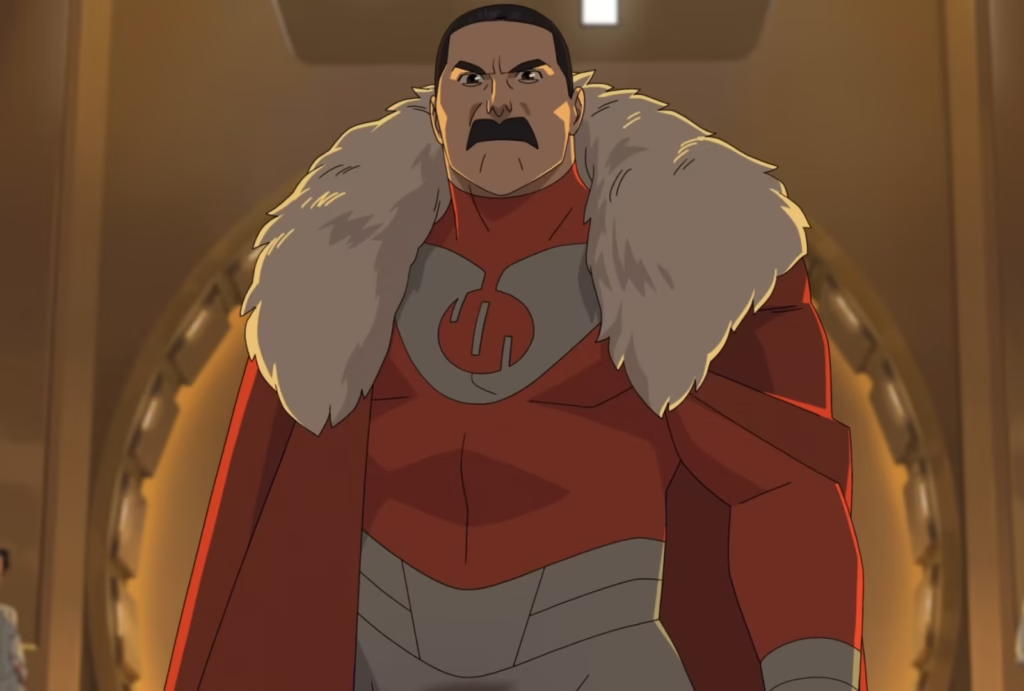
In the Invincible comics, Thragg’s presence is felt relatively early in the series’ run with the Viltrumite War. The show has significantly delayed his full introduction. Season 3 acknowledged his existence and established him as a figure operating in the background of Viltrumite politics, but it did not give him a major role. This stands in notable contrast to the comics, where by the equivalent point in the story Thragg has already established himself as the primary threat the protagonists will eventually have to face.
The decision to hold Thragg back — to tease him in Season 3 and fully introduce him in Season 4 — is a structural choice that reflects how television serialization works differently from monthly comics. In a comic that published for fifteen years, you can introduce your ultimate antagonist relatively early because you have the page count to sustain him across hundreds of issues. In a television series where each season is a discrete creative event, you want your most powerful villain to arrive at the moment of maximum narrative readiness. Introducing Thragg fully in Season 4 means the audience has spent three seasons understanding exactly what the Viltrumites are, what they are capable of, and what it means that Thragg is the one who runs all of it.
The Thraxan Arc: A Critical Test for the Adaptation

One of the most important questions hanging over the animated Thragg is how the show will handle the Thraxan storyline — the arc in which Thragg secretly founds a colony on the planet Thraxa and begins producing hybrid Viltrumite offspring at scale. In the comics, this storyline is disturbing precisely because it is so methodical. It is not an act of violence. It is an act of empire-building carried out with the same cold administrative precision that Thragg applies to everything else. It reveals that his commitment to Viltrumite survival is genuinely absolute — that he is willing to do things that even other Viltrumites would find extreme in service of his species’ continuity.
Whether the animated series will adapt this storyline faithfully, compress it, or restructure it entirely is unknown as of Season 4’s rollout. But it is the arc that most clearly separates Thragg from a conventional villain. He is not trying to destroy the world for power or revenge. He is trying to ensure that his people survive — and the horror of his methods lies in how rational they appear from his perspective. The show’s decision about how to handle this will be the clearest signal of whether it intends to give animated Thragg the full complexity of his comic counterpart.
What the Differences Reveal About Each Version
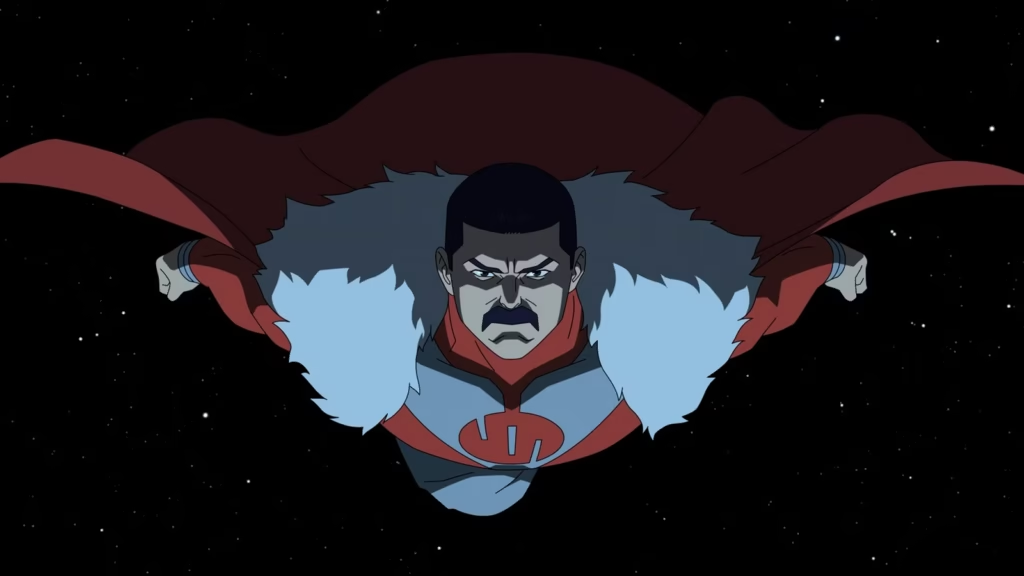
The changes made to Thragg between the comic and the animated series are not errors or compromises — they are deliberate creative decisions that reflect the strengths and constraints of each medium. The comic Thragg is a character built for the long read: a villain whose full menace accumulates over years of monthly issues, whose occasional personality wrinkles reward close readers, and whose ultimate fate arrives at the end of a fifteen-year story. He can afford to be complicated because the audience has hundreds of pages to understand him.
The animated Thragg is being built for an audience that needs to grasp his threat quickly and feel its weight viscerally. The power scaling increase, the delay in his introduction, the choice of a measured, icily controlled vocal performance from Lee Pace — all of these serve the same purpose: making sure that when Thragg is finally fully present in the story, no viewer has any doubt about what they are looking at. The show is trading nuance for impact, and in the specific context of a prestige animated series on a major streaming platform, that is a defensible trade.
Readers who have followed the comics and are now watching the show will find the animated Thragg to be a streamlined but recognizable version of the character they know — more dominant in combat, slightly less textured in personality, but arriving at the same essential truth: this is the most dangerous being in a universe full of dangerous beings, and everything in the story has been building toward the moment the main characters have to face him directly. Whether the show ultimately matches the comic’s willingness to give Thragg genuine moral complexity remains the central question. Based on the casting of Lee Pace and the creative team’s track record with Omni-Man, there is every reason to believe it will.
Keep Reading: Invincible Season 3: What Happened, What It Means, and What Comes Next · Invincible Season 3 Review: The Best Season Yet — Here's Why · Every Wolverine Comic to Read Before the Insomniac Game Drops
Frequently Asked Questions
Is Grand Regent Thragg the most dangerous character in Invincible?
Yes, by most reasonable measures — he’s dangerous the way a force of nature is dangerous, unlike Omni-Man’s conflict of loyalty or Angstrom Levy’s intellect and interdimensional reach.
The Weekly Pull
The biggest card price moves, every Friday.
The week’s biggest card and collectible price moves, plus the movie, anime and game releases worth knowing about. Sign up and get our free Black Friday 2026 price-to-beat cheat sheet. Free. Unsubscribe anytime.
Related Posts:
Talk to us
Got a question, a tip or a request? Email us.
A real person reads every message at hello@nerdsnack.com, and we usually reply within 1–2 business days.
Prefer a form? Use our contact page.
Get authentic Japanese snacks, anime candy, and nerd-themed food delivered to your door. Use code NERDSNACK for 15% off your first box.