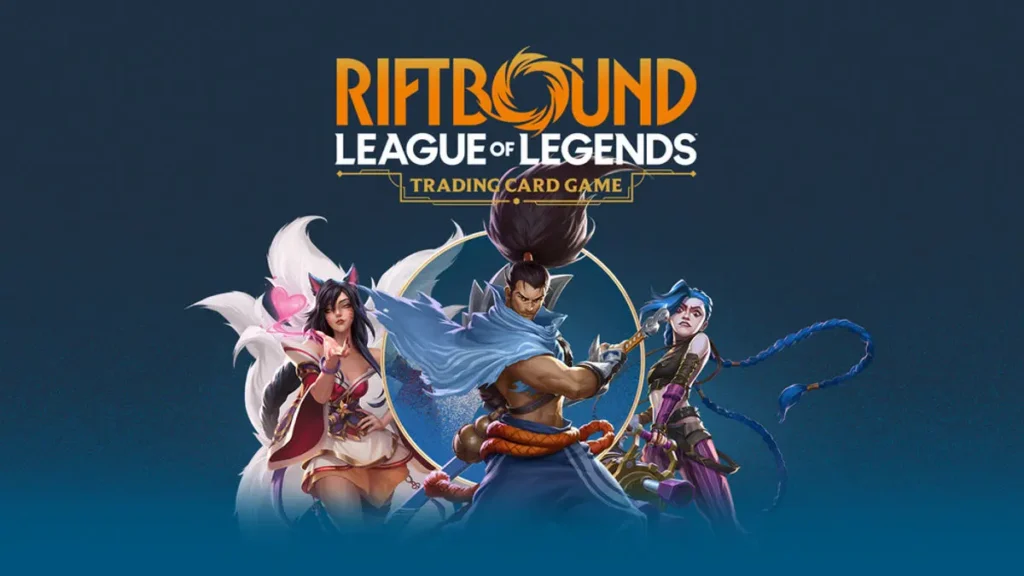
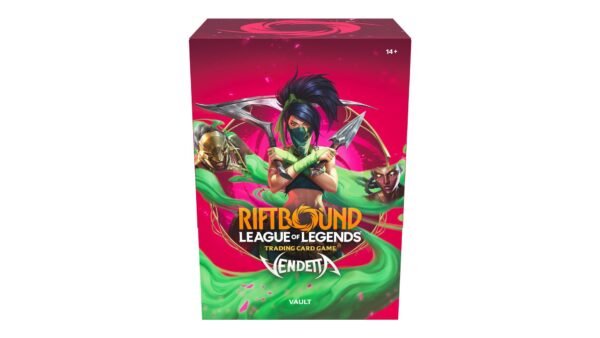
Riftbound is the official physical trading card game set in the League of Legends universe, developed by Riot Games in partnership with UVS Games. Released globally on October 31, 2025, it brings the champions, lore, and strategy of Runeterra to the tabletop — offering players a way to collect and compete with the characters they already know from one of the world’s most popular video game franchises.
This guide covers everything you need to know: how the game works, what makes it different from other TCGs, how to get started, and whether it’s worth picking up in 2026.
What Is Riftbound?
Riftbound is a 1v1 or multiplayer collectible card game where players build decks using League of Legends champions and abilities. Each player commands a team of champions drawn from across Runeterra, using their unique mechanics to outplay, outlast, or overwhelm the opponent.
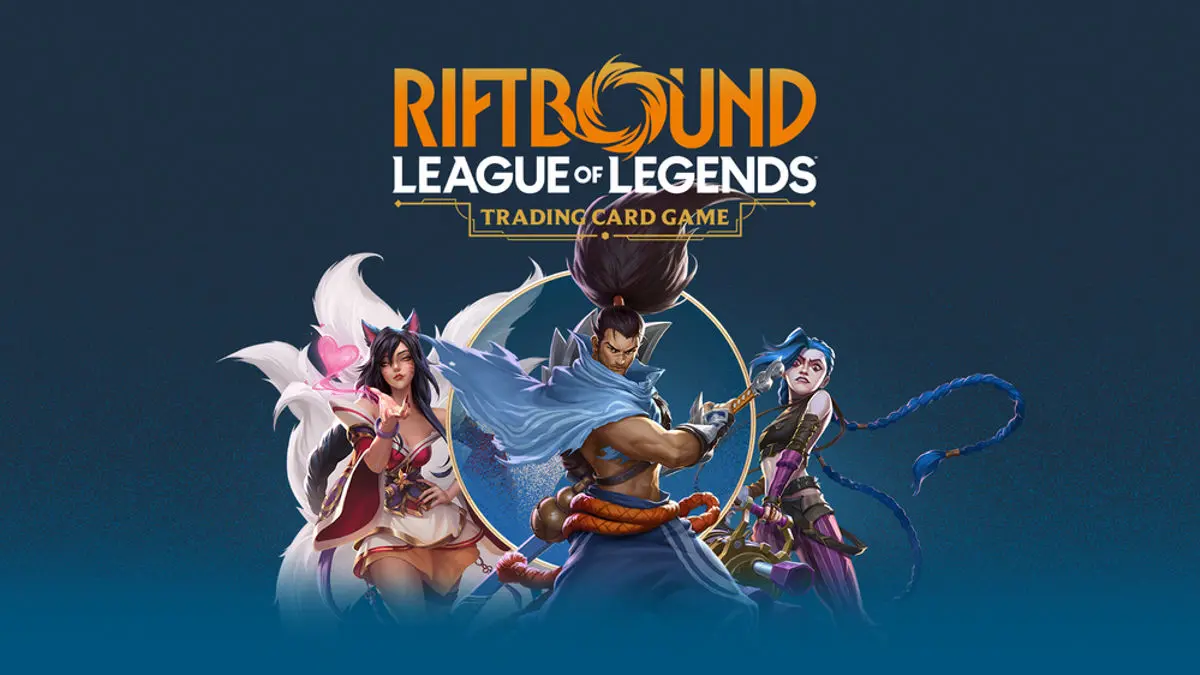
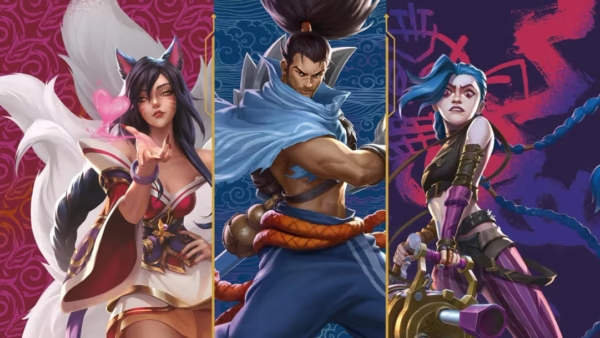
The game is built around champion cards — each representing an iconic LoL character like Jinx, Ahri, Yasuo, or Viktor — and spell and ability cards that recreate their in-game kits on the tabletop. The result is a game that feels familiar to League players while working as a fully standalone TCG experience for newcomers.
- Publisher: Riot Games / UVS Games
- Global launch: October 31, 2025
- Format: Physical collectible card game (TCG)
- Players: 2 (1v1) or multiplayer modes
- Based on: League of Legends / Legends of Runeterra
- Where to buy: Local game stores, TCGPlayer, Amazon
How Riftbound Plays
Riftbound uses a lane-based combat system inspired by League of Legends itself. Each match takes place across a shared battlefield divided into zones, and champions engage across those zones using attack, defense, and ability mechanics.
Core Mechanics
- Champion Cards — Your primary units. Each champion has a base attack, health, and a passive or active ability drawn from their LoL kit. Jinx deploys rockets. Ahri charms and repositions. Yasuo counters attacks with flow stacks.
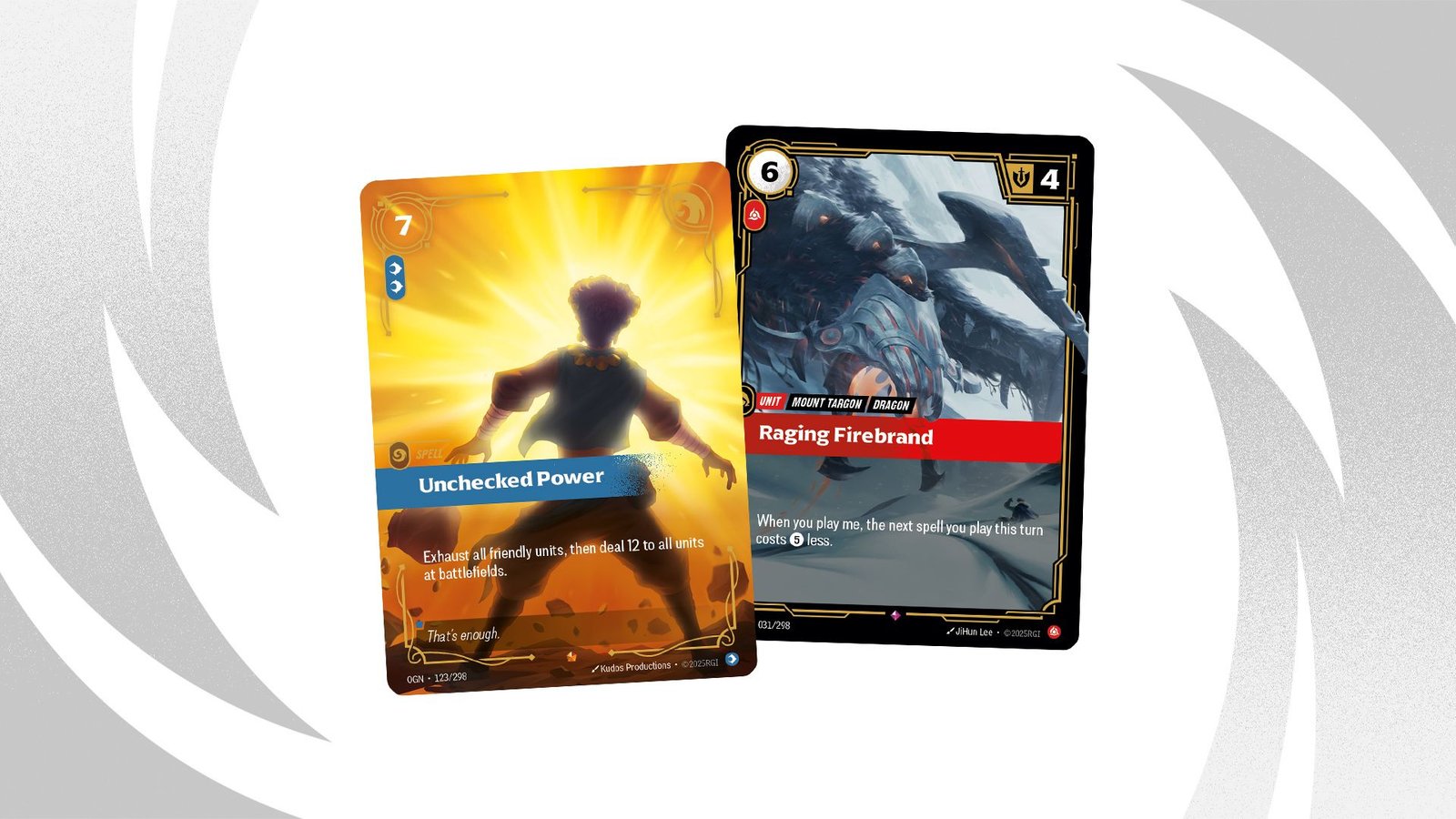
- Spell Cards — Single-use ability cards that activate effects, deal damage, apply buffs, or disrupt the opponent. Played from the hand at the cost of resources.
- Resource System — A mana-style resource that scales each turn, letting players access bigger plays as games progress. No land draws required.
- Evolving Champions — Champions level up mid-game when specific conditions are met, changing their stats and unlocking new abilities — adapted directly from Legends of Runeterra.
- Nexus Win Condition — Players must destroy the opponent’s Nexus to win, mirroring the core objective of League of Legends.
Games typically run 20–40 minutes, making Riftbound faster-paced than Magic: The Gathering while more strategic than games like Marvel Snap.
Riftbound vs Other TCGs
| Feature | Riftbound | Magic: The Gathering | Pokemon TCG |
|---|---|---|---|
| IP / Setting | League of Legends | Original Fantasy | Pokemon Universe |
| Game length | 20–40 min | 20–60+ min | 30–45 min |
| Entry cost | Medium | High | Low–Medium |
| Complexity | Medium | High | Low–Medium |
| Lane-based play | Yes | No | No |
| Champion leveling | Yes | No | Yes (evolution) |
| Digital companion | Yes (LoR integration) | Yes (Arena) | Yes (TCG Live) |
Riftbound Sets and Releases
Riftbound launched with a core set featuring over 200 cards spanning multiple regions of Runeterra — Demacia, Noxus, Piltover, the Freljord, and more. Each region has a distinct playstyle, encouraging focused or multi-region deck building.
Current Sets
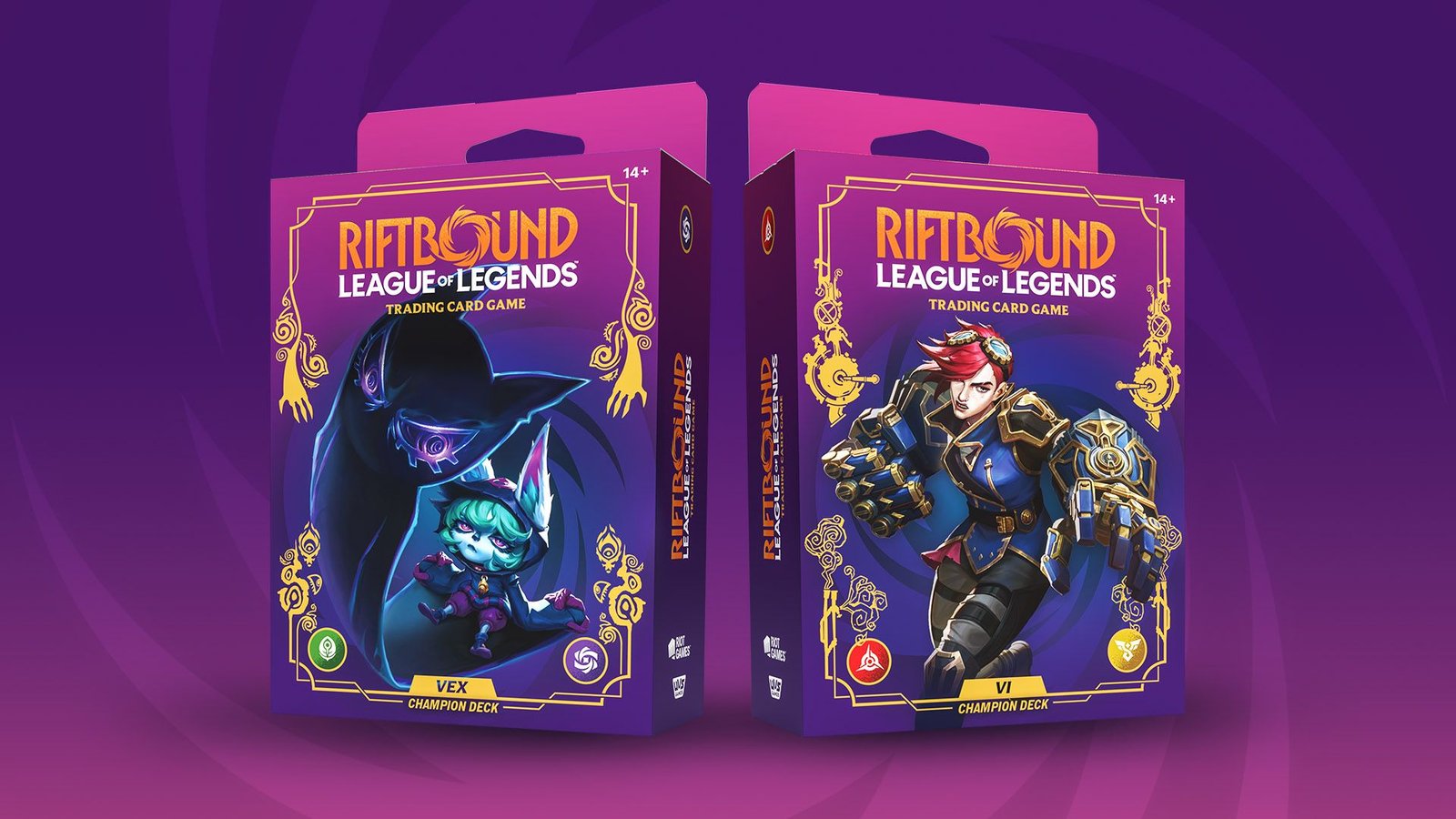
- Riftbound Core Set (Oct 2025) — The launch set. Includes starter decks built around Jinx, Vi, Ahri, and Garen, plus booster packs with 200+ cards.
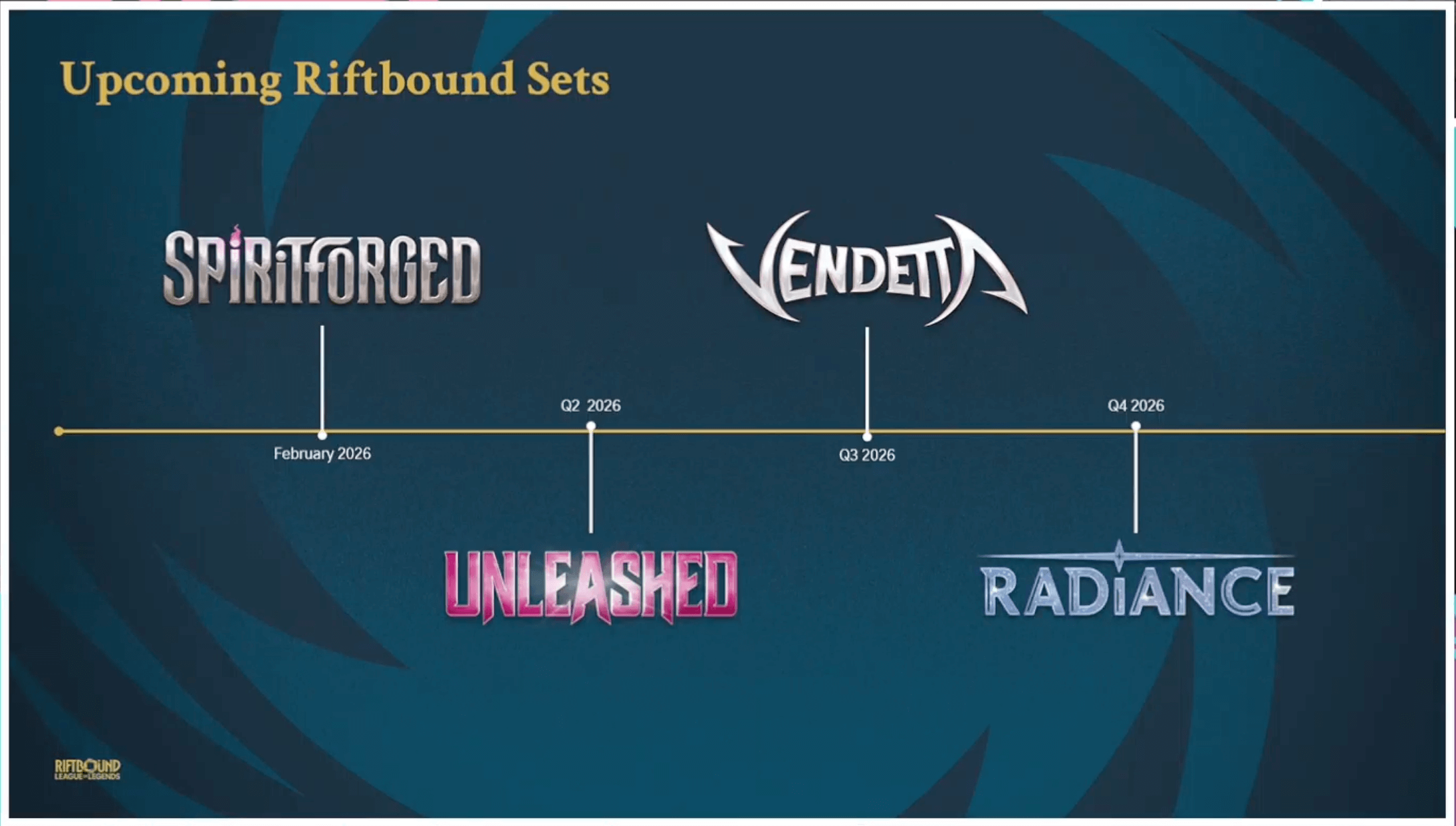
- Riftbound Unleashed (2026) — The first major expansion. Introduces new mechanics, new champions, and additional region support alongside ranked competitive formats.
Products Available
- Starter Decks — Pre-built 40-card decks ready to play straight out of the box. The best entry point for new players.
- Booster Packs — 10 cards per pack including commons, rares, and champion cards. Foil and alternate art variants included.
- Booster Boxes — 36 packs. Best value for players building a full collection.
- Two-Player Bundles — Everything needed to start playing immediately, ideal as a gift or introduction set.
How to Get Started with Riftbound
The easiest entry point is a Starter Deck. Each starter is built around a single champion, plays well out of the box, and teaches core mechanics through the deck’s design. The Jinx starter suits aggressive players; Ahri suits those who prefer control and repositioning.
From there, booster packs let you expand your collection and customize your deck. Riftbound uses a transparent pull rate system — you always know the odds of pulling a specific champion or foil before you buy.
The game has an active tournament scene. Local game stores across the US and Europe run weekly Riftbound events, and Riot Games has committed to organized play support including regional championships and online qualifier events.
Is Riftbound Worth It in 2026?
For League of Legends fans, Riftbound is a straightforward yes. The game translates the champions you already know into a physical format that rewards both skill and collection building. The art is exceptional — each card is effectively a piece of official Riot Games concept art — and the champion leveling system gives matches a genuine sense of momentum.
For TCG players coming from Magic or Pokemon, Riftbound offers something genuinely new: lane-based combat creates spatial decisions that neither of those games have, and the faster game length means more rounds per game night.
The main consideration is longevity — the standard risk for any new TCG. Riot Games has the resources and IP to support Riftbound long-term, and their active organized play investment signals serious commitment. But as with any collectible, buying in early always carries some uncertainty.
Bottom line: If you play League of Legends or have been curious about TCGs, Riftbound is the best entry point in the market right now. The learning curve is gentle, the cards are beautiful, and the game stands on its own merits even without the IP.
Keep Reading: Riftbound Set 3 Unleashed: New Champions, New Mech · Why Riftbound Will Be the Next Big Trading Card Ga · Riftbound Unleashed: New Set Guide — New Mechanics
Frequently Asked Questions
What is Riftbound?
Riftbound is Riot Games’ official physical trading card game built on the League of Legends universe, where players build decks using LoL champions and abilities like Jinx, Ahri, Yasuo, or Viktor.
What’s the best way to get started with Riftbound?
A Starter Deck is the easiest entry point — each is built around a single champion, plays well out of the box, and teaches core mechanics through its design.
Which Riftbound starter deck should aggressive players pick?
The Jinx starter suits aggressive players, while the Ahri starter suits those who prefer control and repositioning.
Does Riftbound have a transparent pull-rate system?
Yes — Riftbound uses a transparent pull rate system, so you always know the odds of pulling a specific champion or foil before you buy.
TCGPlayer has the best prices on Magic, Pokemon, Dragon Ball, and Riftbound singles — with seller ratings and buyer protection.