The arcade was supposed to be dead. Home consoles killed it in the late ’80s. The internet finished the job in the ’90s. Developers stopped making new machines. Venues closed. The golden age was over, filed away next to VHS tapes and Saturday morning cartoons as something that used to exist.
Except it didn’t die. It went quiet for a while — and now it’s back, louder than ever, and the people running toward it aren’t just the ones who remember it the first time around.
How Arcades Disappeared — and Why It Happened So Fast
In 1982, the arcade industry in the United States generated $8 billion in revenue — more than Hollywood and the recorded music industry combined that year. Pac-Man, Donkey Kong, Space Invaders. The machines were everywhere: malls, bowling alleys, pizza restaurants, laundromats. You needed a pocketful of quarters just to leave the house.
Then the Atari 2600 arrived in living rooms. Then the Nintendo Entertainment System. Then the PlayStation. Each generation of home hardware chipped away at the reason to go out and pay per play. Why drive to a mall when the game was on your couch? The question had no good answer, and the industry contracted accordingly. By the mid-2000s, arcades had largely vanished from American suburban life.
What nobody predicted was what would happen to the generation that grew up inside those dimly lit rooms, surrounded by cabinet art and the smell of carpet that had absorbed ten thousand spilled sodas. They got older, got disposable income, and started looking for something they couldn’t find on Steam or a console menu.
The Experience Economy Did What Nostalgia Alone Couldn’t
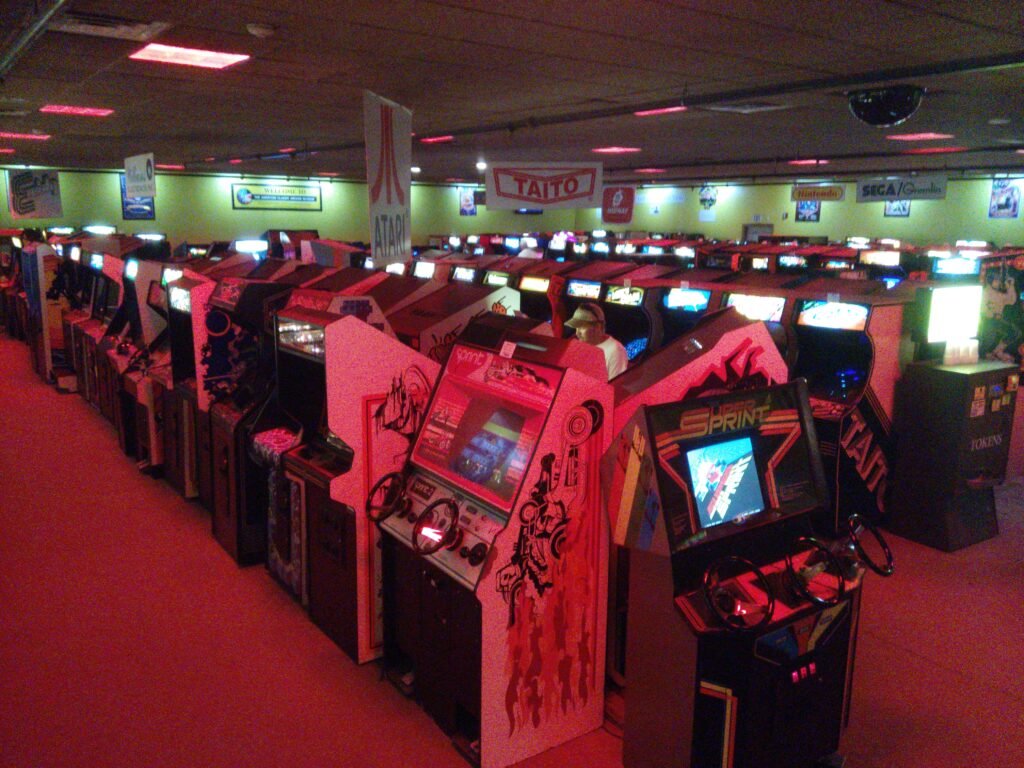
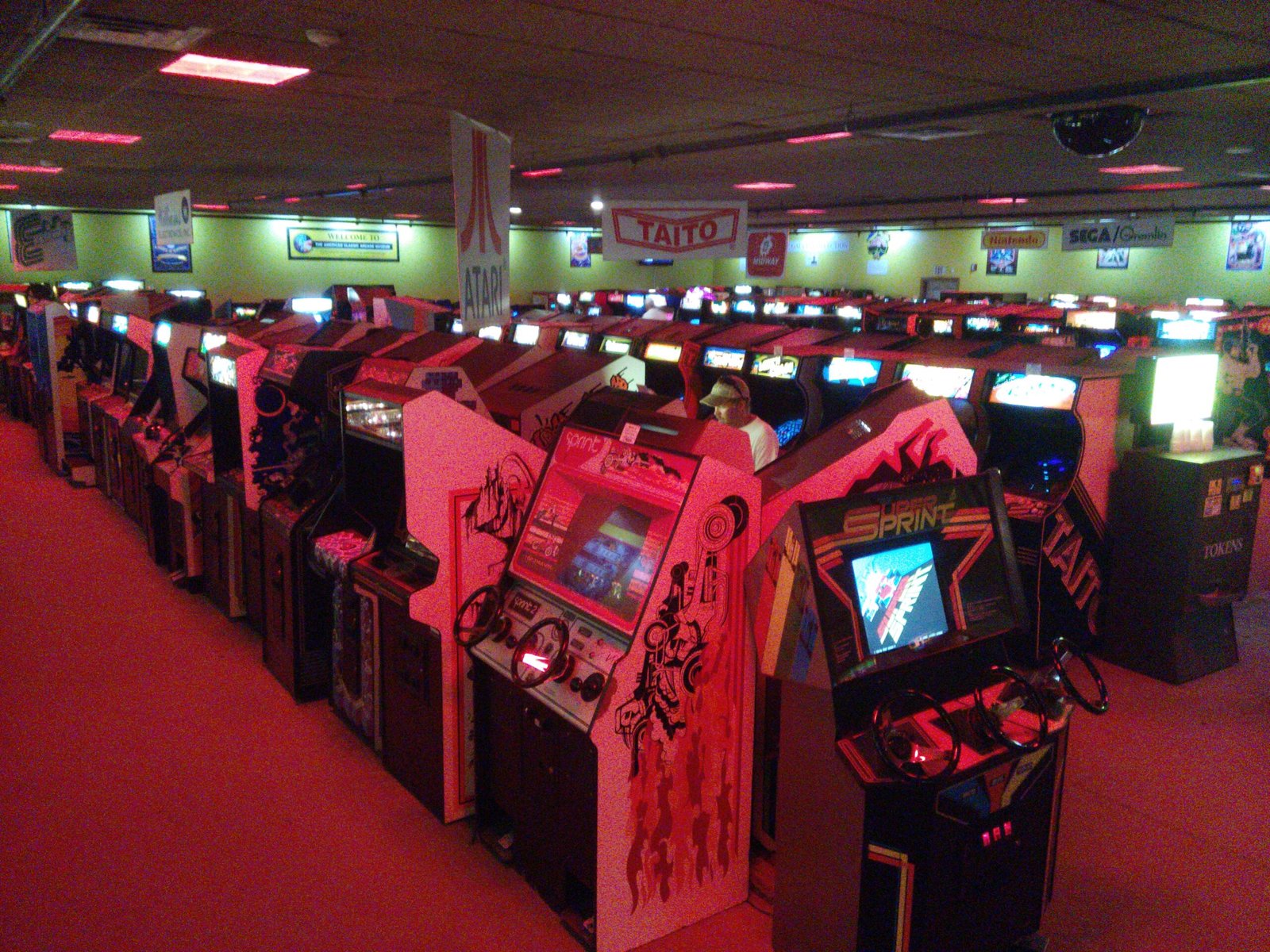
The first wave of arcade revival ran on pure nostalgia. Vintage machines, original hardware, places like the American Classic Arcade Museum in Laconia, New Hampshire — which operates over 250 games on free play and has been preserving the original arcade experience since 1990. These venues mattered, but they were niche. Museums, essentially.
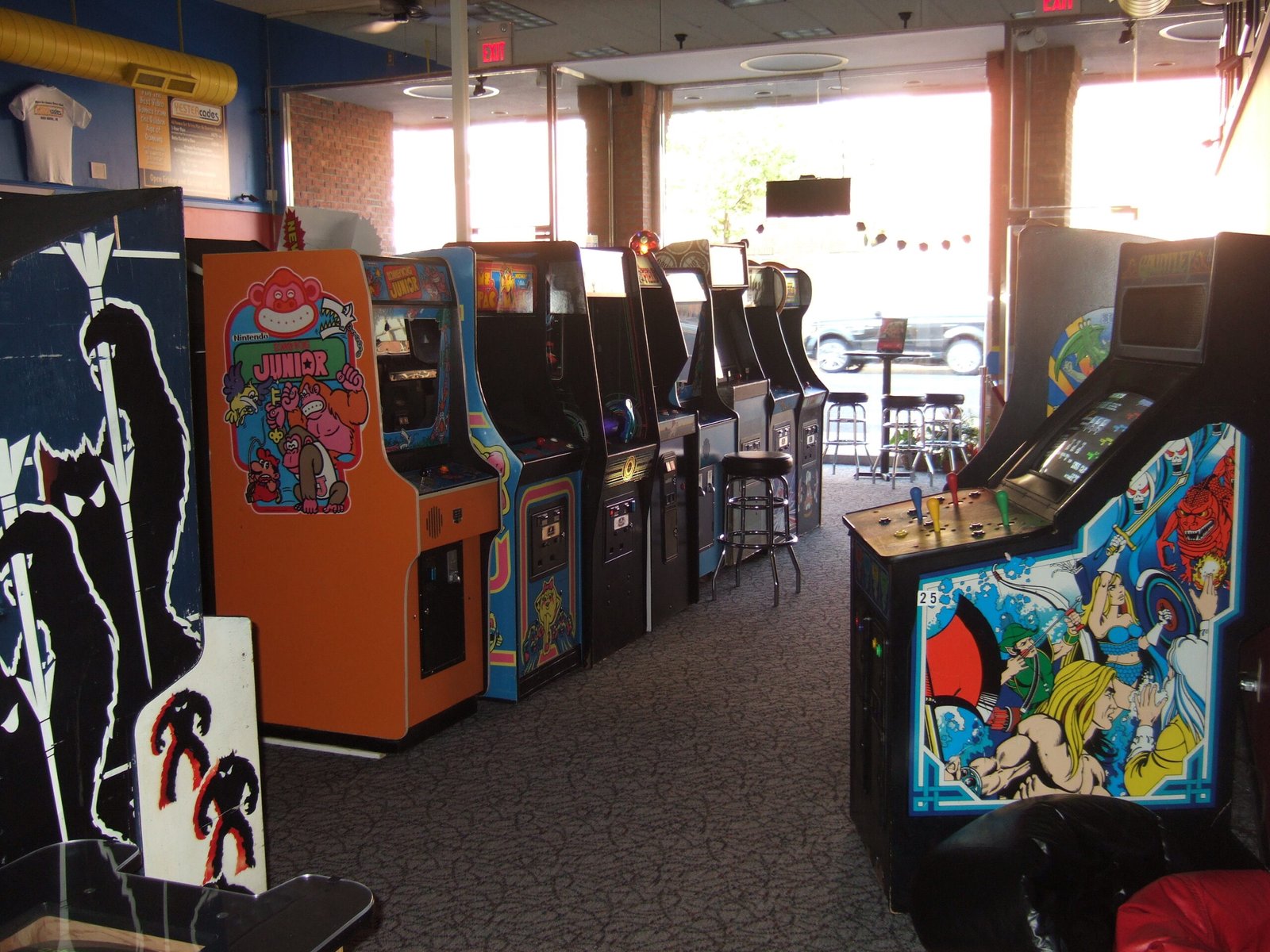
What changed the scale was the barcade model. Combine a well-stocked bar with a floor full of classic arcade games, price everything appropriately, and you suddenly have a venue that works for a date night, a birthday, a work event, and a Friday with no particular plan. The barcade isn’t selling nostalgia to people who remember the original — it’s selling a physical, social experience that you cannot replicate at home, to people of every age.
That distinction matters. The generation that grew up in the 2000s and 2010s never had a local arcade to lose. They experienced gaming as a solitary or online activity — something you did in your room, with headphones on, talking to people you’d never meet. The physical arcade offers something genuinely different: strangers watching you play, competing for a high score that lives on an actual leaderboard, the crowd noise and cabinet sounds creating a shared atmosphere. It’s irreplaceable by a lobby screen.
Japan Never Got the Memo That Arcades Were Dying
While the West was writing the arcade’s obituary, Japan was quietly building a different future for the format. Japanese arcades never followed the Western trajectory of decline — they evolved instead. UFO catcher machines, rhythm games like Dance Dance Revolution and Taiko no Tatsujin, photo booth machines, medal games, and competitive fighting game setups became the backbone of a venue model that kept arcades commercially viable long after they should have disappeared.
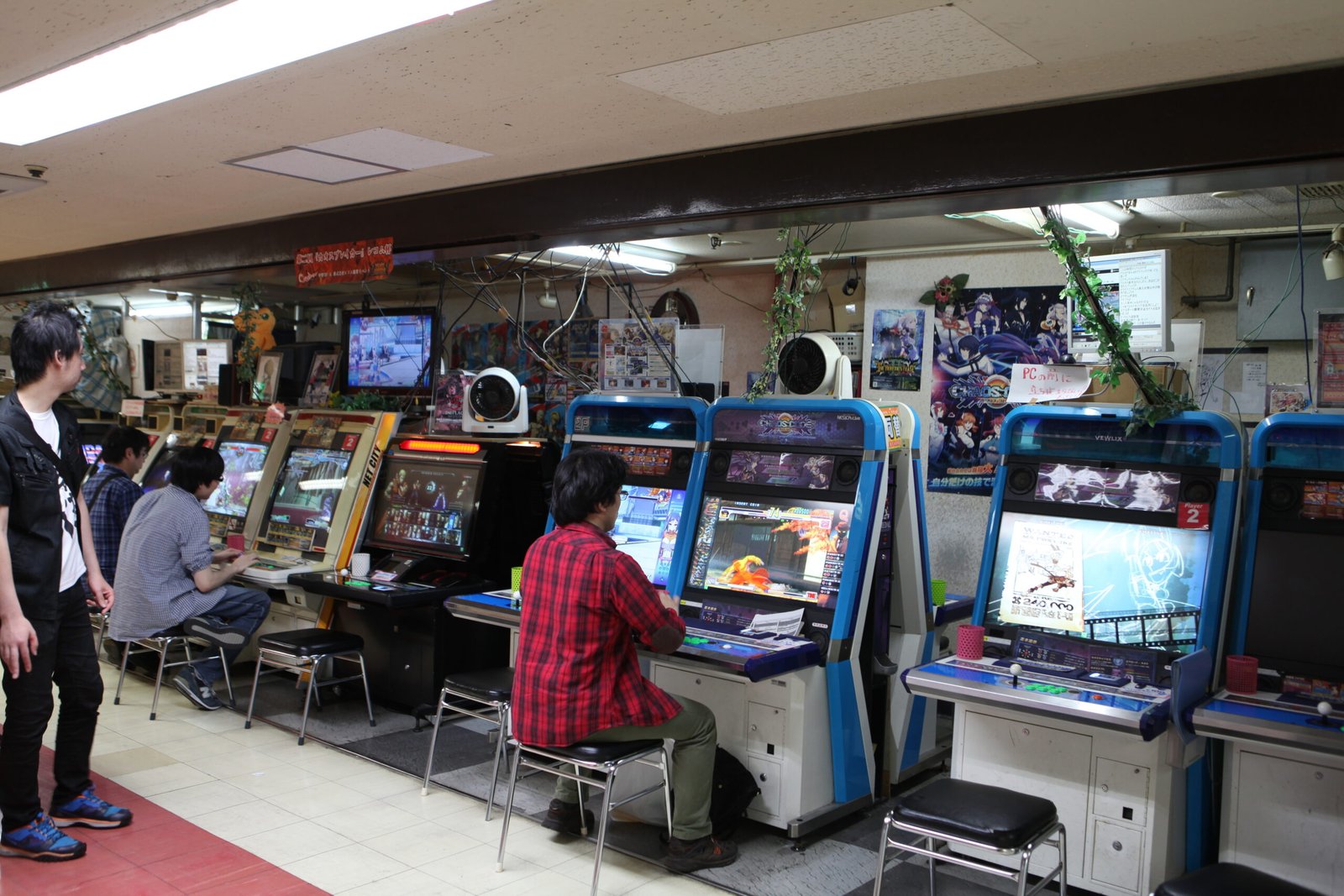
Japanese arcades also maintained a crucial community function. They were places where competitive players gathered to practice, challenge local regulars, and develop skills that translated directly to tournament performance. The SEGA and Taito venues in Tokyo’s Akihabara district functioned as unofficial training grounds for fighting game scenes that eventually fed into global competitions. That culture of gathering to play in person, seriously, never left Japan — and it’s part of what the West is now rebuilding from scratch.
Fighting Games Are Pulling Players Back to Physical Machines
The competitive fighting game community has been one of the most powerful forces driving the Western arcade revival. Street Fighter, Tekken, Mortal Kombat, and Guilty Gear have maintained and grown passionate player bases across console and PC — but the fighting game community has always had a particular relationship with the arcade cabinet. Local tournaments at venues with actual hardware carry a weight that an online lobby simply doesn’t replicate.
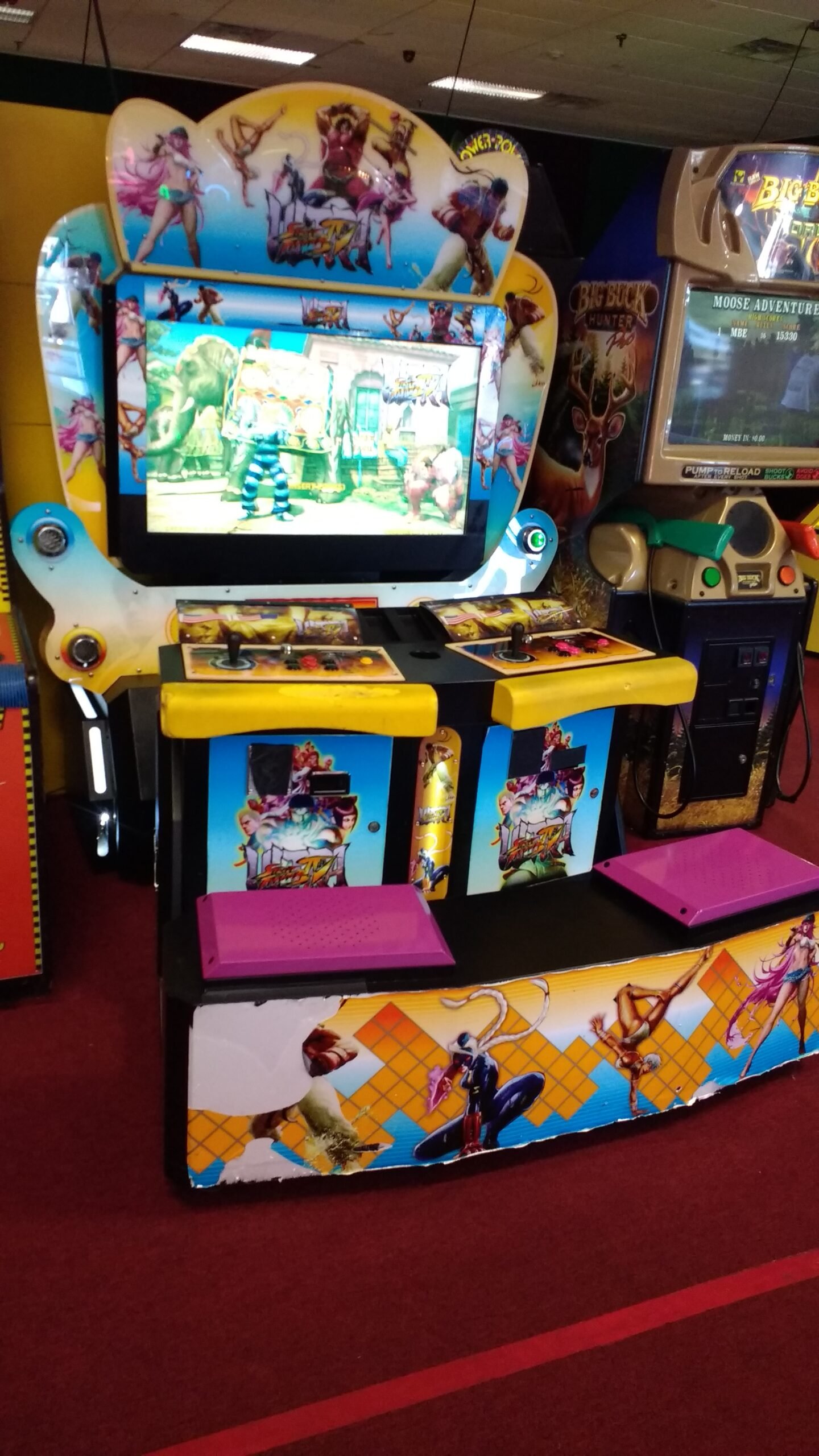
Events like EVO — the Evolution Championship Series — draw tens of thousands of attendees specifically to compete and watch fighting games played at the highest level. That competitive culture feeds back into local venues, where players practice specifically to perform in those settings. A well-stocked arcade with current fighting game hardware isn’t just nostalgic decoration. It’s infrastructure for a competitive scene.
The Preservation Movement and What It Protects
Behind the commercial revival, a quieter and equally important movement is happening: the active preservation of original arcade hardware. Classic machines are aging. Original PCBs fail. CRT monitors degrade. The components needed to maintain original hardware are no longer manufactured, and the institutional knowledge required to repair them is concentrated in a dwindling group of technicians who learned on the job decades ago.
Organizations like the American Classic Arcade Museum and Funspot — home to the largest collection of classic arcade games in the world — are doing work that falls somewhere between restoration and archival history. These aren’t just entertainment venues. They are functional records of a specific period of game design, interaction design, and cultural production that would otherwise be lost entirely.
The machines that filled arcades between 1978 and 1995 represented a design philosophy built around a single constraint: capture the player’s attention and money in under three minutes, with no tutorial, no save state, and no second chance. The games that survived that era are the ones that solved that design problem most elegantly. Playing them on original hardware, in their original context, is a materially different experience from playing a ROM on an emulator — and it’s one that becomes rarer every year.
Why This Matters Beyond Nostalgia
The arcade revival isn’t a retro fad. It’s a response to something real that home and online gaming genuinely cannot provide: spontaneous, physical, shared play between people in the same room who may not know each other. The screen on your wall is extraordinary. It cannot create the experience of watching a stranger clear a difficult board on a 40-year-old machine while a small crowd gathers silently behind them.
Gaming culture has spent two decades optimizing for scale and convenience — more players, lower friction, accessible from anywhere. The arcade offers the exact opposite, and it turns out there is significant appetite for exactly that. Arcades are back because they provide something that cannot be downloaded, patched, or streamed. They require you to show up. And right now, showing up is exactly what people are looking for.
Keep Reading: Best Fighting Games of All Time — The Definitive R · Top 10 Best Video Games of 2026: The Definitive Ra · The Biggest Games Coming in 2026 — The NerdSnack R


Fanatical has the deepest discounts on PC games and bundles — legally key-redeemable on Steam and other platforms.