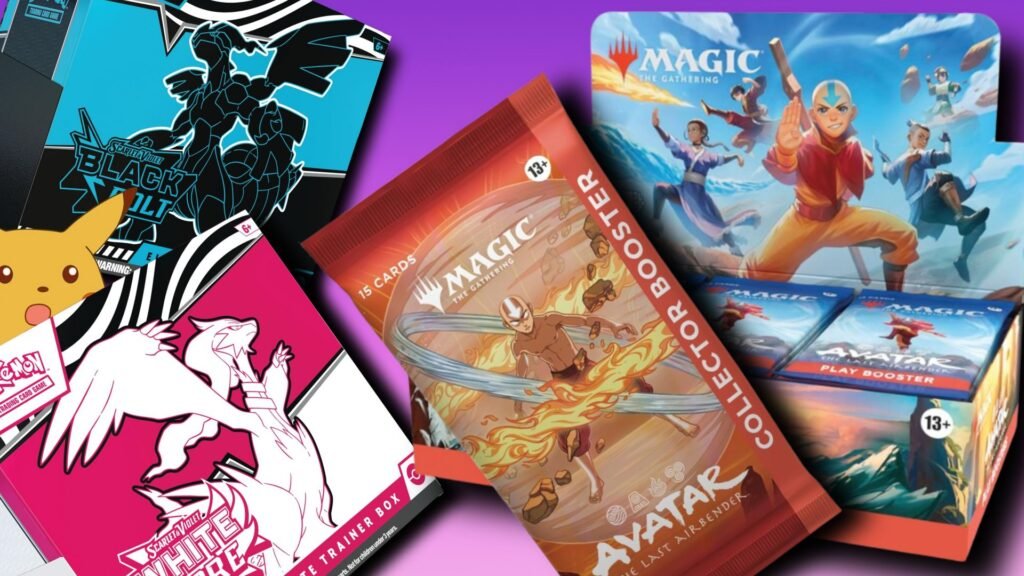
Two Titans of the Trading Card Game World
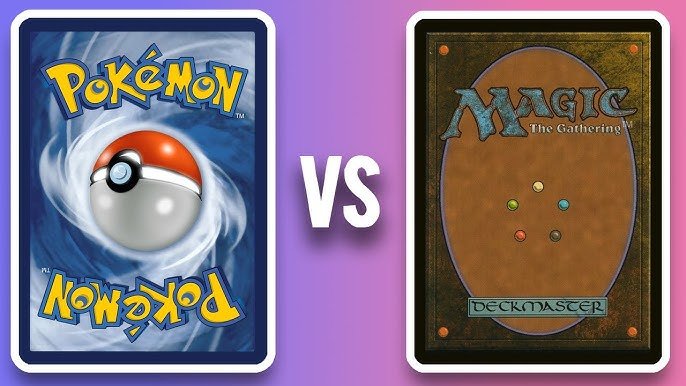
Pokémon TCG and Magic: The Gathering are the two biggest trading card games in the world, and they couldn’t be more different in what they offer. Pokémon has sold over 43 billion cards globally. Magic has been running since 1993 and built the template that every other TCG follows. If you’re considering getting into one of them — or trying to decide which to pick up first — this guide breaks down the real differences so you can make the right call.
The Core Gameplay Difference

Magic: The Gathering is a deep, strategic game built around resource management (mana), complex card interactions, and deck construction. A typical Magic game involves playing lands to generate mana, casting spells, summoning creatures, and navigating a stack of simultaneous effects that rewards deep rules knowledge. The learning curve is steep — a new player will lose to an experienced one regularly for the first several months — but the strategic ceiling is essentially infinite. Competitive Magic is one of the most intellectually demanding games in existence.
Pokémon TCG has a flatter learning curve with a more immediately accessible ruleset. You attach Energy cards to Pokémon, build up attacks, and knock out your opponent’s Pokémon to take Prize Cards. The game is easier to learn in an afternoon, and beginner-level games are much more forgiving than Magic. However, modern Pokémon competitive play (VGC and Championship Series) is a highly sophisticated metagame that rewards deep preparation and technical play.
Cost: What Does It Actually Take to Play?

Magic: The Gathering has a reputation for being expensive, and in competitive formats (Legacy, Vintage) that reputation is earned — top-tier decks can cost $1,000–$5,000. However, Magic has addressed this with aggressive support for budget-friendly formats. Standard (the rotating format) keeps costs manageable at $100–$400 for competitive decks. Commander (the most popular format) can be played competitively for $50–$200. Pioneer and Modern sit in the middle. Magic Online and Magic: The Gathering Arena offer free or low-cost digital play.
Pokémon TCG competitive play (Standard format) runs $150–$400 for a top-tier deck. The Pokémon Company keeps rotating older cards out of Standard play, which prevents legacy power creep but means you periodically need to update your deck. Collector-side costs are separate — high-value pulls and Special Illustration Rares can be worth hundreds of dollars, which makes Pokémon simultaneously a game and an investment vehicle. Pokémon TCG Live (the free digital client) lets you test decks without any cost.
Keep Reading: Pokémon TCG 30th Celebration: Release Date & What's In It · Ascended Heroes: What to Buy (Pokémon TCG Buying Guide) · Pitch Black Chase Cards: Most Valuable Pulls (Pokémon TCG)
Collecting: Which Has Better Cards to Collect?

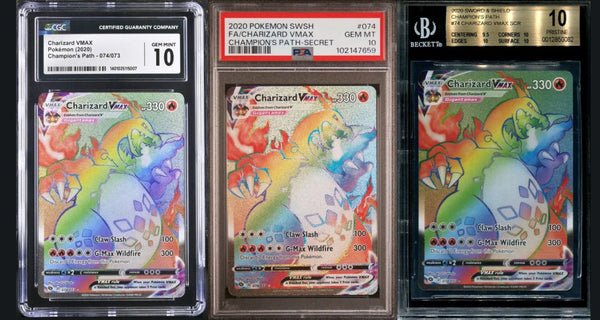
This is Pokémon’s domain, and it’s not close. Pokémon TCG has built one of the most robust collector markets in hobby history. Modern sets are designed with dedicated collector tiers — Special Illustration Rares, Hyper Rares, and Gold cards — that function as standalone art pieces. The secondary market is enormous, PSA grading is mainstream, and high-value Pokémon cards are genuine financial assets.
Magic: The Gathering has its own collector market — Reserved List cards, original Alpha/Beta prints, and showcase/borderless art treatments — but it’s smaller and more niche than Pokémon’s. Magic’s collector appeal is primarily to older players with nostalgia for specific sets, whereas Pokémon attracts both childhood nostalgics and new-generation collectors simultaneously.
Community and Formats
Magic has an exceptional diversity of play formats: Standard, Pioneer, Modern, Legacy, Vintage, Commander, Draft, Sealed, Pauper, and more. This variety means every type of player — casual kitchen-table players, competitive grinders, and draft enthusiasts — can find their home. Local Game Stores (LGS) run regular Magic events, and the Friday Night Magic program provides weekly low-stakes competitive play globally.
Pokémon has a more centralized competitive structure — the Pokémon Play! program, regional championships, and the World Championships provide a clear competitive ladder. The community skews younger on average than Magic, but the Championship Series is a serious international circuit with prize payouts to match.
Which Should You Start With?
Start with Pokémon TCG if: you’re coming from a love of the franchise, want a more accessible introduction to TCGs, are primarily interested in collecting, or have children you want to play with. The lower barrier to entry, stronger collector market, and franchise nostalgia make it the best first TCG for most people.
Start with Magic: The Gathering if: you want the deepest strategic experience in card gaming, plan to invest seriously in competitive play, love the richness of Commander as a social multiplayer format, or are drawn to the fantasy lore and 30+ years of card history. Magic rewards long-term investment in ways few games can match.
The good news: you don’t have to choose forever. Most TCG enthusiasts play both at different points. Start with starter decks from either game ($15–$20), play a few games with friends, and see which hooks you more deeply. Both communities are welcoming to new players, and both games will give you hundreds of hours of entertainment.
Keep Reading: How to Start Collecting Pokémon Cards: The Complete Beginner’s Guide (2026) · Pokémon TCG Prismatic Evolutions: Every Pull Rate Explained · How to Start Collecting Pokémon Cards: The Complete Beginner’s Guide (2026)
Frequently Asked Questions
Should I start with Pokemon TCG or Magic: The Gathering?
Start with Pokemon TCG if you love the franchise, want a more accessible introduction, are mainly interested in collecting, or have kids to play with. Start with Magic if you want the deepest strategic experience, plan to invest in competitive play, or love Commander as a social format.
Which TCG has a lower barrier to entry, Pokemon or Magic?
Pokemon TCG — its lower barrier to entry, stronger collector market, and franchise nostalgia make it the best first TCG for most people.
Does Magic: The Gathering reward long-term investment?
Yes — the guide says Magic rewards long-term investment in ways few games can match, thanks to over 30 years of card history and lore.
What is the core gameplay difference between Pokemon TCG and Magic?
The guide covers this directly in a dedicated ‘The Core Gameplay Difference’ section.
Nerd Snack Monthly
The month ahead, in one email.
Next month’s set releases and prerelease dates, plus the chase cards that moved in price. Free. Unsubscribe anytime.
Related Posts:

Talk to us
Got a card, a tip or a request? Email us.
A real person reads every message at hello@nerdsnack.com, and we usually reply within 1–2 business days.
Prefer a form? Use our contact page.
TCGPlayer has the best prices on Magic, Pokemon, Dragon Ball, and Riftbound singles — with seller ratings and buyer protection.