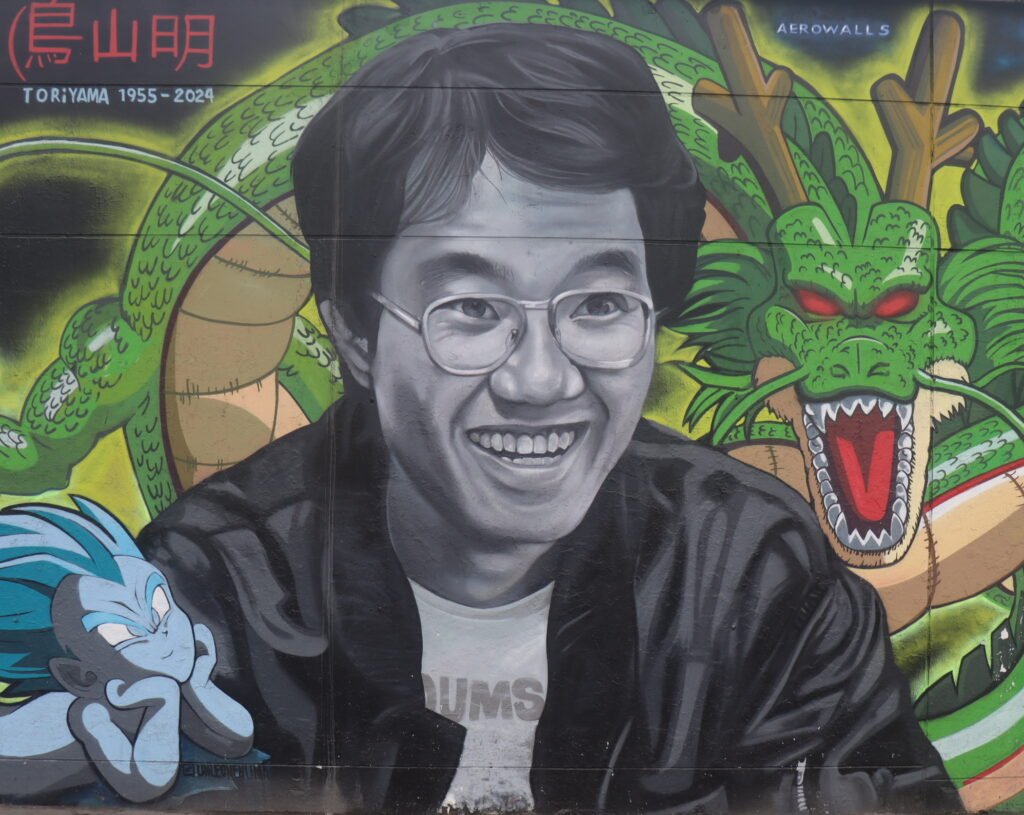
Dragon Ball has been rewriting its own mythology for decades. Every new series adjusts a power ceiling, introduces a cosmological layer, or revisits a character origin in ways that change the meaning of what came before. This is not a flaw unique to Dragon Ball — it is the nature of long-running serialized fiction, where the demands of sustaining audience engagement over decades collide with the constraints of a universe that was never designed to scale infinitely. What makes Dragon Ball Daima different from every retcon and recontextualization that preceded it is not the scale of the changes it introduced, though those changes are substantial. What makes Daima different is the authorship. This was the last fully completed story Akira Toriyama ever told. Every decision in it — from the origin of the Demon Realm to the true creator of Majin Buu — was made deliberately, by the franchise’s original author, in what we now know was the final chapter of his creative life. That is not a fact you can responsibly set aside when evaluating what Daima changed and why.
This article works through the major lore revisions Daima introduced, what each of them means for the Dragon Ball universe as a whole, and what all of it implies for the franchise’s most persistent fan question: will we ever see a canonical Super Saiyan 5? The answer to that question is no longer as simple as it might once have seemed.
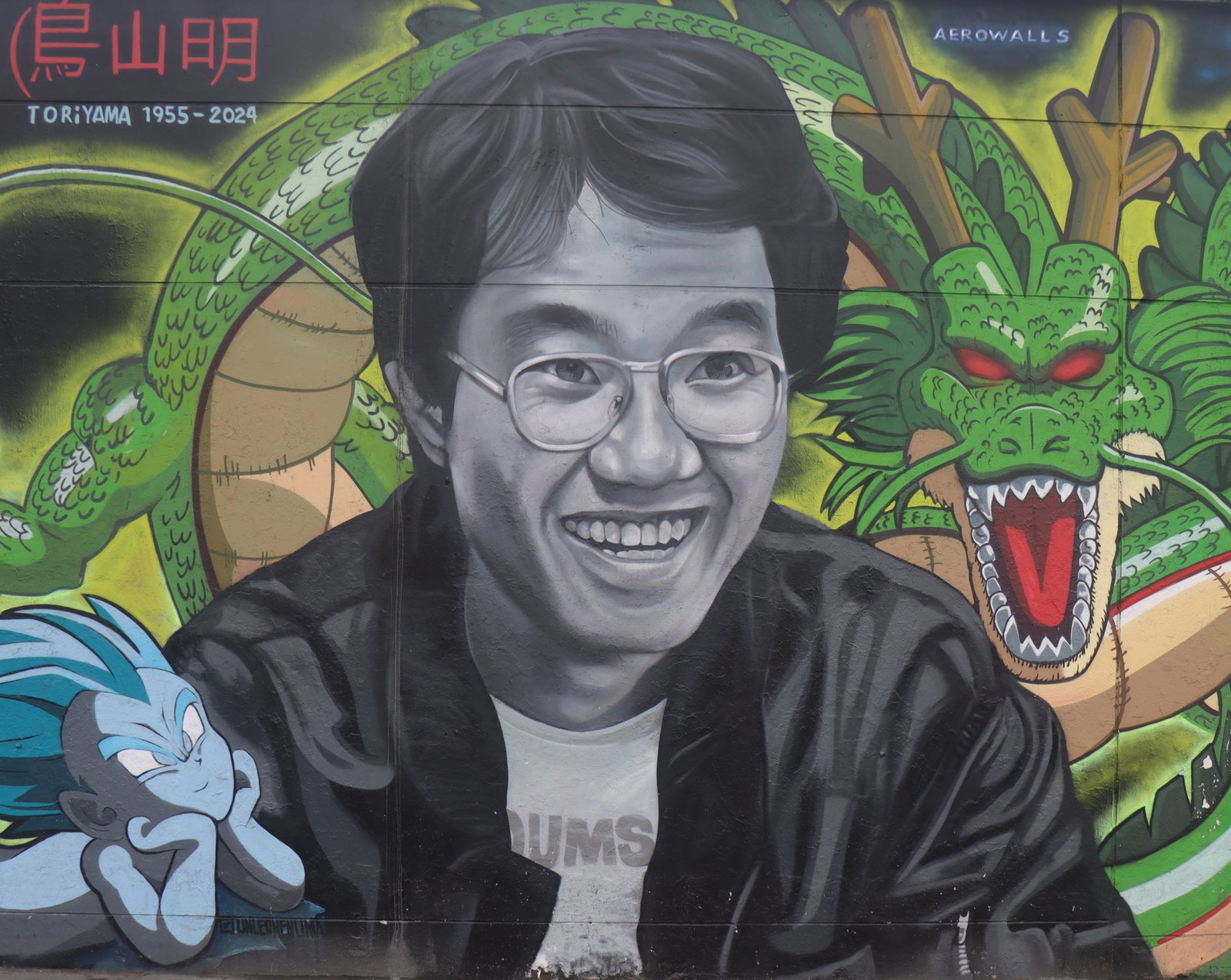 Goku Shenron” class=”wp-image-2186″/ width=”1600″ height=”1274″ loading=”lazy”>
What Daima Actually Is — and Why Context Matters
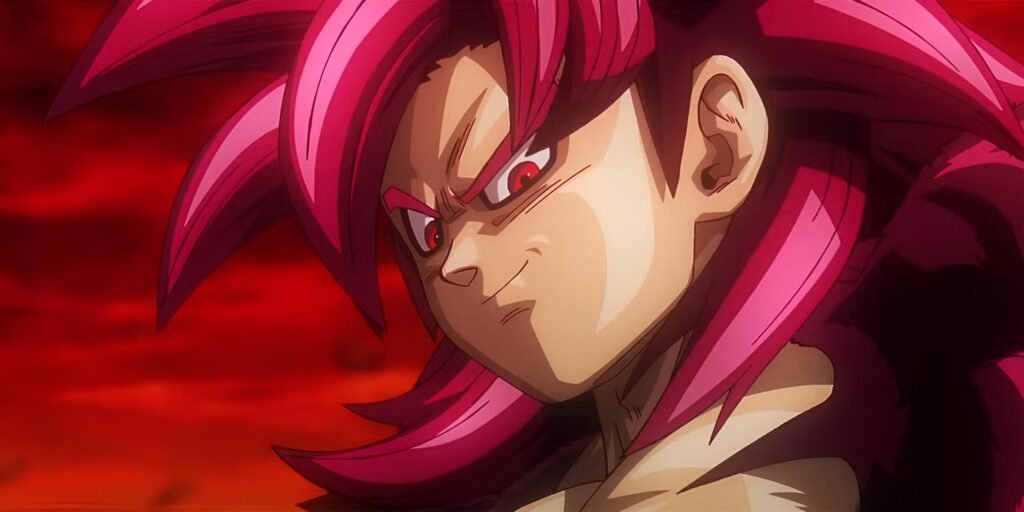
Dragon Ball Daima premiered in October 2024, roughly seven months after Toriyama’s death in March of that year. The series runs for twenty episodes and is set during the ten-year period between the defeat of Majin Buu and the 28th World Martial Arts Tournament shown at the close of Dragon Ball Z. A mysterious wish on the Dragon Balls reduces Goku, Vegeta, and most of their allies to small, child-sized bodies, and the main story follows Goku and a new character named Glorio navigating the Demon Realm to undo the wish. On its surface, this sounds like a light adventure series. In execution, it is the most cosmologically ambitious Dragon Ball project since the Tournament of Power arc — and considerably more structurally significant, because it reaches further back.
Director Yoshitaka Yashima confirmed that Toriyama had written the complete story of Daima before production began. This is unusually significant in the context of Dragon Ball, where much of the franchise’s history was famously improvised during serialization — Toriyama has spoken openly in interviews about inventing major plot points, including Goku’s Saiyan heritage, after the fact. Daima does not have that quality. It feels like a document. It feels like someone who had spent forty years building a universe sitting down to resolve questions he had left deliberately open, and to introduce a foundational layer below all of the others.
The Universe Was Created by the Demon Realm
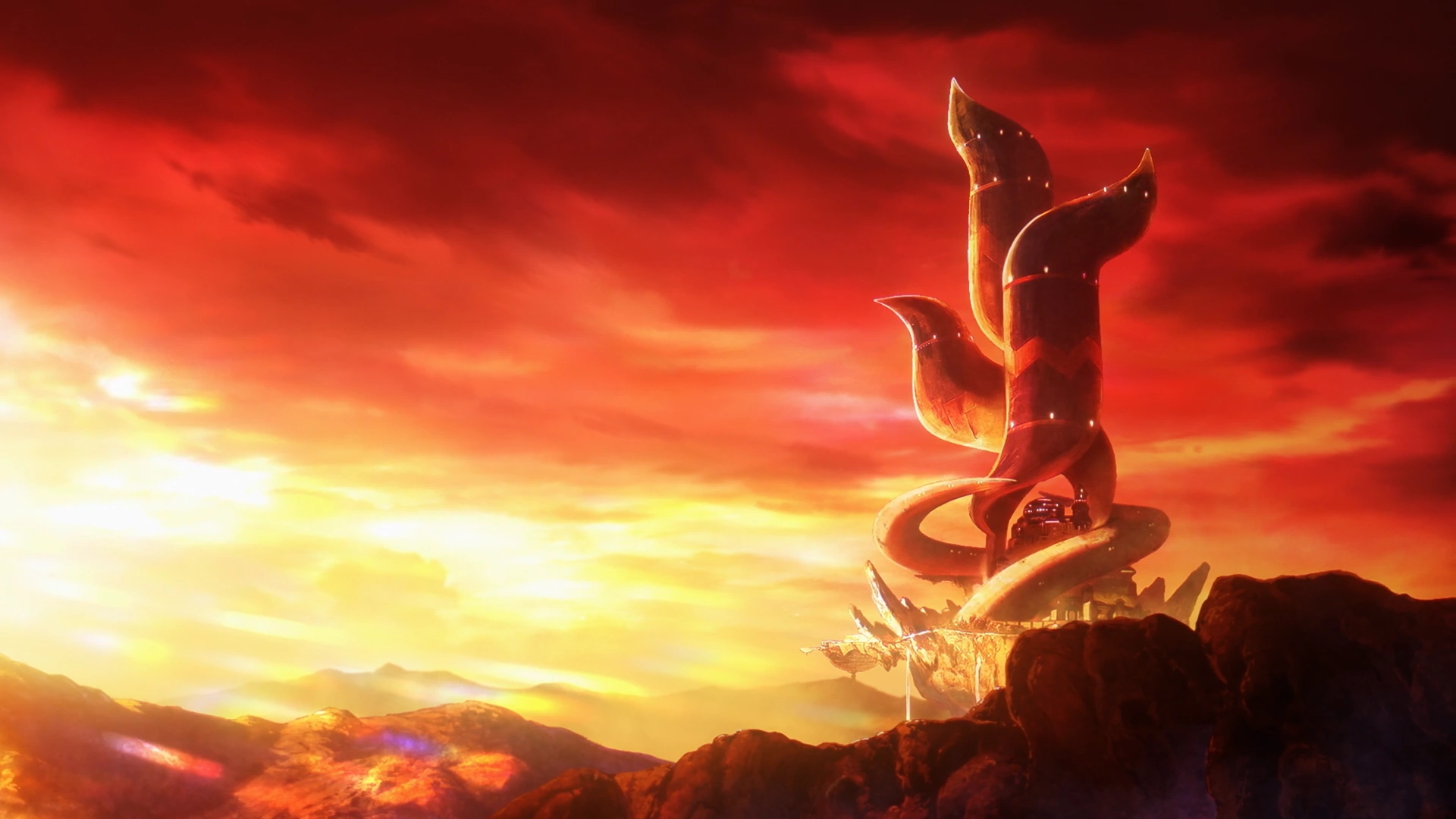
The single largest retcon Daima introduces concerns the origin of the multiverse itself. In Dragon Ball Super, the cosmological framework established Grand Zeno — the Omni-King — as the supreme authority over all twelve universes. Zeno could erase entire universes with a gesture, and the implication was clear: he was the top of the hierarchy, the absolute ceiling of the setting’s power structure. Daima does not erase Zeno, but it places something above him in the historical record.
According to Daima’s lore, in the time before the current multiverse existed, the ruler of the Demon Realm — referred to as the Good Supreme Demon King — sought to expand his territory. To do this, he summoned and deployed the power of a being called Super Majin Rymus, described as “the highest authority in the universe.” Rymus used his power to create what would eventually become the entire multiverse — the twelve universes, the mortal realms, everything that Goku and his allies have ever fought to protect. The universe that Grand Zeno rules over is, under this framework, an expansion of the Demon Realm. The entire cosmology of Dragon Ball Super sits on a foundation that originates in the very domain the series has treated as a place of darkness and villainy.
The implications of this are significant. It means that every Supreme Kai, every God of Destruction, every Angel, every mortal civilization across all twelve universes exists because a Demon King wanted more territory. It retroactively repositions the Demon Realm from a marginal antagonist setting to the primordial origin of everything in the Dragon Ball universe. Grand Zeno may be the most powerful being currently alive, but the architecture he oversees was built by a power older than him — and Daima makes a point of ensuring you understand that.
The Namekians and Supreme Kais Are Both From the Demon Realm
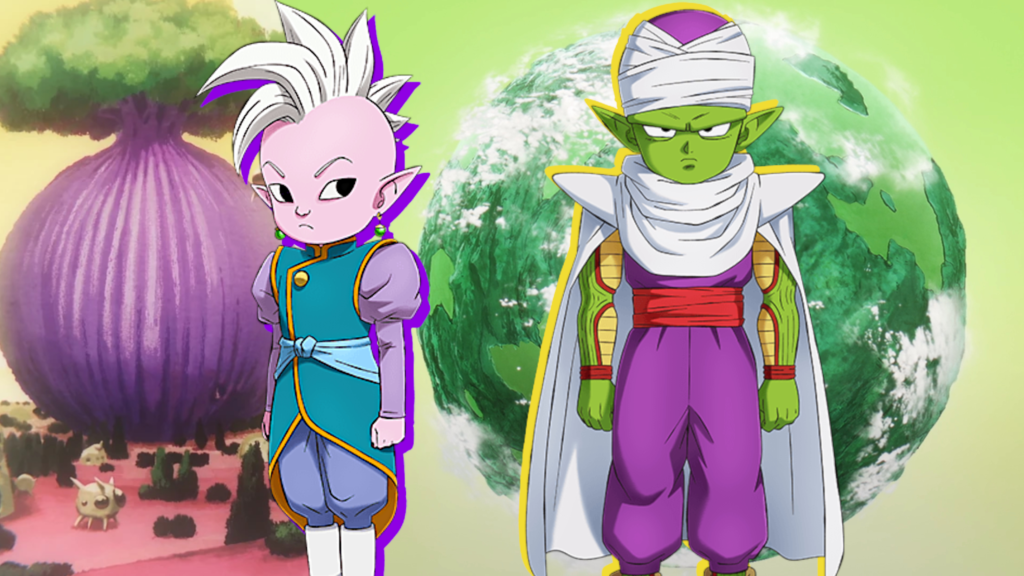
Daima reveals that the Namekians — the race of Piccolo, Nail, and the elder Guru — did not originate on the planet Namek. They originated in the Second Demon World, a region of the Demon Realm. The same is true of the Supreme Kais. The Kais’ actual species name is the Glind, and all Glind are born from a tree in the Second Demon World called the Glind Tree. The Supreme Kai viewers know from Dragon Ball Super, who is revealed in Daima to have the personal name Nahare, is a Glind. He and his species are not native to the sacred divine realm they administer. They are from the Demon Realm, like everyone else who turns out to matter in Daima’s cosmology.
Why did the Namekians and the Glind leave the Demon Realm? Because they did not want to be ruled. Both races fled tyranny — the absolute authority of the Demon monarchy that Daima portrays as the original governing structure of existence. When Super Majin Rymus created the multiverse at the Demon King’s command, countless demons departed for the new territories, and the Demon King himself selected members of the Glind race to serve as overseers of the new universes — which is how the Kais came to govern mortal realms in the first place. They were appointed by a Demon King to manage the consequences of a Demon King’s territorial ambitions. Their divine role is rooted in demonic politics.
For fans of the franchise, this is genuinely transformative. The Namekians have been central to Dragon Ball since the Frieza arc — the Dragon Balls themselves, in their original form, are a Namekian invention. Daima suggests that Namekian Dragon Balls may actually predate the seven-sphere Dragon Balls of Earth, and that the Demon Realm had its own Dragon Balls first. The Dragon Balls — the objects that give the entire franchise its name — may have a demonic origin. That is a retcon that reaches all the way back to the beginning of everything.
Majin Buu Was Not Created by Bibidi — and Bibidi Knew It
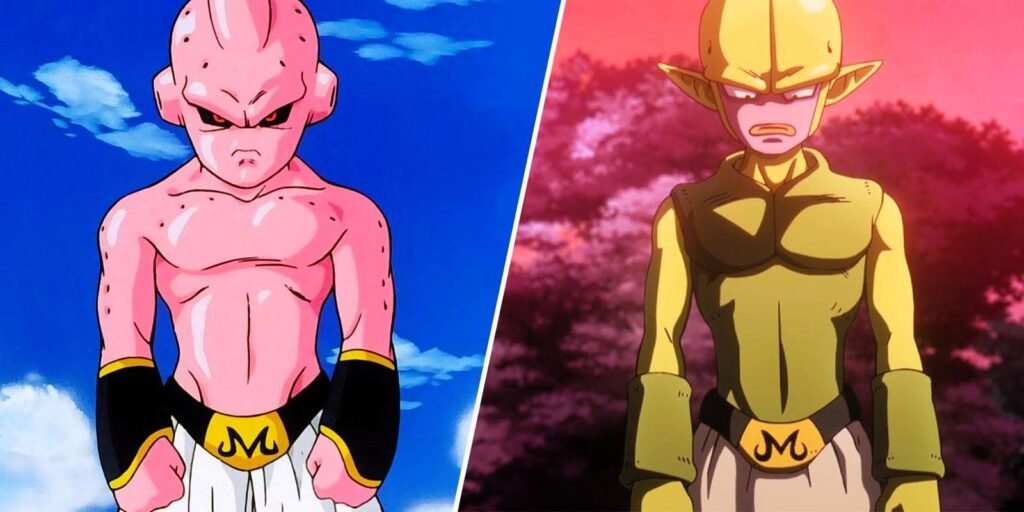
The story of Majin Buu’s creation has actually been revised twice now, which makes Daima’s version particularly interesting as a final answer. In the original Dragon Ball Z manga, Buu was presented as having been created by the sorcerer Bibidi. Toriyama later clarified — in supplementary material and interviews — that this was only what Babidi, Bibidi’s son, believed to be true; in reality, Buu was an ancient entity of unknown origin that Bibidi had merely discovered and learned to control.
Daima gives Buu a definitive creator: Marba, a witch from the Demon Realm. Marba is the same character who created the Saibamen — the green, plant-based warriors first seen in the Saiyan arc of Dragon Ball Z. Bibidi, unable to create a Majin himself, commissioned Marba to build one for him. She did, and the result was the original Majin Buu — the childlike, small figure referred to as Kid Buu in the franchise’s retrospective terminology. The intention was an obedient, extraordinarily powerful servant. What Marba actually produced was something with too much autonomous will — a being she could not fully control and that quickly became a catastrophic threat within the Demon Realm itself. Marba then allowed Bibidi to take credit for Buu’s creation specifically to avoid accountability for what she had accidentally made.
The reveal that the fat version of Buu — the version that appeared at the start of the Buu Saga — was the result of Kid Buu absorbing the Southern Supreme Kai is not new information. But the context Daima adds changes the emotional weight of the entire arc. Buu is not a cosmic accident or an ancient mystery. He is a commissioned product that exceeded his specifications, whose creator deliberately let a lesser sorcerer take the blame for her miscalculation. He is a weapon that became a monster because the person who built him made a mistake and then walked away.
Keep Reading: Dragon Ball Super: Beerus Is Coming Back After 6 Years — Everything Confirmed · Black Frieza Explained: Dragon Ball Super's Most Powerful Form · JoJo's Bizarre Adventure: Steel Ball Run Release Date
Vegeta’s Super Saiyan 3 and What It Signals About Saiyan Potential
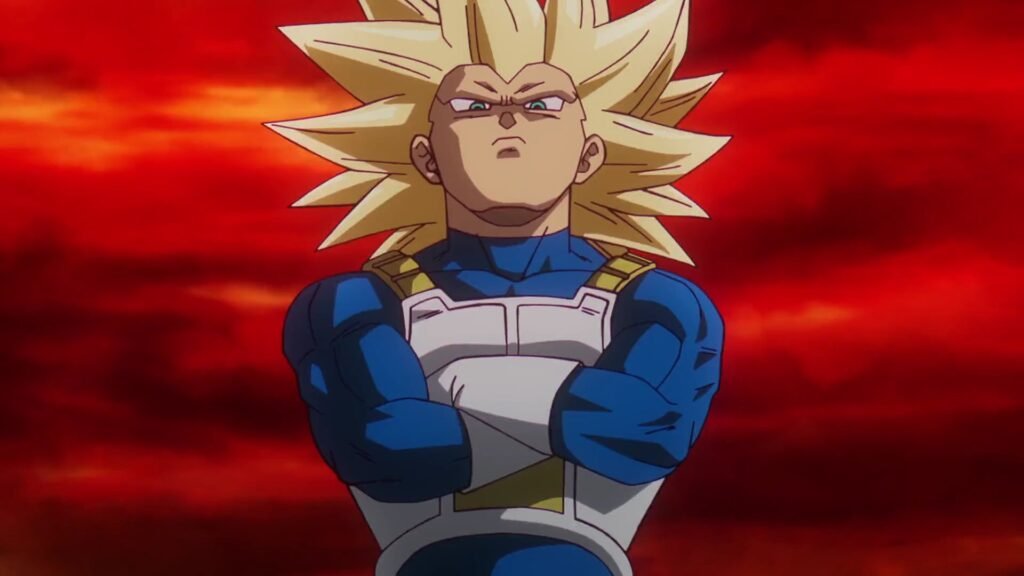
One of the smaller but structurally important retcons in Daima involves Vegeta achieving Super Saiyan 3 through training alone, without ever having died. In Dragon Ball Z, Super Saiyan 3 was heavily tied to Goku’s status as a dead warrior — the implication being that access to Other World’s unlimited time for training and the removal of the physical limitations of the living body enabled the transformation. Vegeta never achieved it in the original series, and this was generally interpreted as confirmation that the form had particular prerequisites beyond pure combat ability.
Daima shows Vegeta reaching Super Saiyan 3 through dedicated physical training as a living person. This is not incidental to the story — it is framed as a meaningful character beat, a demonstration of Vegeta’s genius and relentless self-improvement. But it also quietly removes one of the few hard constraints that existed around Saiyan transformation theory. If Super Saiyan 3 is achievable through training alone, with no spiritual or metaphysical requirement, then the progression of the Saiyan transformation ladder is purely a matter of will, time, and physical effort. That is a significant change to the internal logic of the franchise’s power system.
It matters for the Super Saiyan 5 question because it establishes a precedent: transformations that were once treated as requiring special conditions can be recontextualized as accessible through training. If the showrunners — or whoever continues Dragon Ball after Toriyama — want to introduce a new Saiyan form, Daima has removed one of the most natural objections to how such a form could plausibly be reached.
Super Saiyan 5: The Form That Refuses to Die
Super Saiyan 5 has never appeared in any canonical Dragon Ball work. Let that baseline be stated clearly. It originated as fan art by David Montiel Franco, achieved wide circulation online in the early 2000s, and entered fan mythology through Toyotarou’s Dragon Ball AF doujinshi — an unofficial fan continuation of Dragon Ball GT in which a Super Saiyan 5 Goku features prominently. The design typically depicted in that fan context — white hair, an elongated golden tail, an aesthetic that blends Super Saiyan 4’s feral musculature with Super Saiyan God’s aura — was created by fans, not by Toriyama, and Toriyama himself never endorsed it.
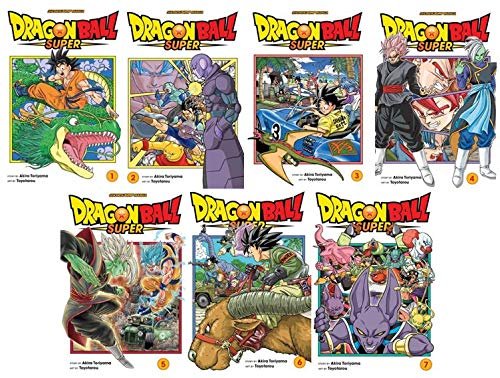
The complication is Toyotarou. The artist who drew Dragon Ball AF, the unofficial fan manga that popularized Super Saiyan 5, is now the official artist of Dragon Ball Super — the canonical continuation of the franchise. Toyotarou has spoken publicly about the fact that he designed his own version of Super Saiyan 5 before his work on Dragon Ball Super began, and at a panel at Japan Expo Paris in 2025, he stated that “to me, everything is more or less canon because I’ve seen everything.” He elaborated that he loves all of Dragon Ball — GT, Heroes, the video games, the fan material — and considers it all part of the universe he works within. He specifically noted that it is not his place to determine what is and is not canonical.
This is a meaningful shift in position from how the franchise traditionally managed its own canon. Under Toriyama, there was always a relatively clear hierarchy: the manga was primary, the anime was secondary, and the rest was supplementary material that might inform but never overrode the source. Under the current arrangement — with Toriyama gone, Toyotarou serving as the series’ primary creative voice for the manga, and Toei handling the anime direction — the question of what counts as real is increasingly fluid. When the person writing the official canon says everything is canon to him personally, the distinction between Super Saiyan 5 as fan creation and Super Saiyan 5 as franchise direction becomes less stable than it has ever been.
Could Super Saiyan 5 Actually Happen Now?
The honest answer is: more plausibly than at any previous point in the franchise’s history, but still far from certain. There are arguments on both sides that deserve to be stated plainly.
The case for it: Toyotarou has a personal design for the form and has spoken warmly about it. The Dragon Ball Super manga has already introduced new Saiyan transformations — Ultra Instinct, Ultra Ego, Gohan Beast — without any mandate from Toriyama. Daima has demonstrated that the franchise is willing to make ambitious cosmological changes, and the removal of strict prerequisites for Saiyan transformations makes the logical path to a new form less obstructed. If Toyotarou wanted to introduce a form he designed during his Dragon Ball AF days as a culminating transformation in the Dragon Ball Super manga, there is presently no institutional force clearly in a position to stop him.
The case against it: Toriyama’s silence on Super Saiyan 5 was not accidental. He was aware of the fan designs and the Dragon Ball AF material — he acknowledged their existence. He never incorporated them. His own direction for the franchise after Super Saiyan 4 was not toward a fifth iteration of the number-based transformation ladder but toward something qualitatively different: forms based on energy type, state of being, and internal mastery rather than simple power escalation. Ultra Instinct is not Super Saiyan 5. It is a philosophical reframing of what Goku’s growth even means. That direction came from Toriyama, and it represents a deliberate departure from the numbered-form escalation that Dragon Ball GT explored. Introducing Super Saiyan 5 now would require either abandoning that direction or integrating it in a way that the form’s existing fan designs do not naturally accommodate.
What Comes After Daima — and Why It Is Genuinely Uncertain
The future of Dragon Ball is, as of 2026, less clear than it has been at any point since the franchise’s original run ended in 1995. The Dragon Ball Super manga continues under Toyotarou, with Toriyama having provided story guidance for its earlier arcs but the precise extent of his ongoing involvement having diminished in the years before his death. The anime has no confirmed successor to Daima. And there are active legal and rights questions involving Toriyama’s estate, Shueisha, and former franchise producer Akio Iyoku that have yet to be fully resolved.
What Daima leaves behind as a final act of authorship is a universe that is simultaneously more connected and more open than it was before. The Demon Realm is not peripheral anymore — it is foundational. The Namekians are not aliens from a distant planet anymore — they are exiles from the origin point of everything. Majin Buu is not an ancient mystery anymore — he is a constructed weapon whose builder is still alive in the Demon Realm. These are not loose ends. They are threads that point toward stories that could follow, if anyone with the creative authority and institutional support to tell them decides to do so.
Franchise producer Akio Iyoku has stated publicly that he expects Dragon Ball to continue “for decades to come” and that his team is actively preparing for the franchise’s future. That preparation necessarily involves deciding how to handle the world Toriyama left behind — both the completed architecture of Daima and the unresolved questions that remain open in the Dragon Ball Super manga’s ongoing run.
The Reckoning
Dragon Ball Daima did not break the Dragon Ball universe. It made it coherent in a way it had never been before, by establishing that all of its disparate elements — the Dragon Balls, the Namekians, the Kais, the Majins, the cosmological hierarchy — share a common origin in the Demon Realm. Everything that exists in Dragon Ball is downstream of one Demon King’s territorial ambition. That is a striking thesis for a franchise built around a hero who fights to protect people from exactly that kind of absolute power — and it is clearly intentional. Toriyama spent the final creative act of his life building a mythology beneath the mythology, one that gives every previous Dragon Ball story a new context without invalidating it.
As for Super Saiyan 5: the form exists in the cultural imagination of the franchise’s fanbase as powerfully as any canonical transformation. Toyotarou is the person most likely to introduce it, he has a design for it, and he has stated that everything in Dragon Ball is canon to him. That is not a confirmation. But it is a more concrete basis for expectation than any Dragon Ball fan has ever had before. Whether the franchise moves in that direction will depend on the institutional decisions made in the coming years — and on whether the story that Daima’s Demon Realm mythology opens actually gets told by someone bold enough to follow it to its conclusion.
Keep Reading: Black Frieza Explained: Dragon Ball Super's Most Powerful Form · The Best Dragon Ball Z Figures Worth Collecting (2026) · Dragon Ball Super: Beerus Is Coming Back After 6 Years — Everything Confirmed
Frequently Asked Questions
Who created the Dragon Ball universe according to Dragon Ball Daima?
The Demon Realm — Daima reveals both Namekians and Supreme Kais originate from the Demon Realm, rewriting a core piece of Dragon Ball cosmology.
Did Bibidi actually create Majin Buu?
No — Daima reveals Majin Buu was not created by Bibidi, and that Bibidi knew it, upending a long-standing piece of Dragon Ball lore.
The Weekly Pull
The biggest card price moves, every Friday.
The week’s biggest card and collectible price moves, plus the movie, anime and game releases worth knowing about. Sign up and get our free Black Friday 2026 price-to-beat cheat sheet. Free. Unsubscribe anytime.
Related Posts:
Talk to us
Got a question, a tip or a request? Email us.
A real person reads every message at hello@nerdsnack.com, and we usually reply within 1–2 business days.
Prefer a form? Use our contact page.
Crunchyroll has every simulcast, classic series, and anime film you could want — in HD, with new episodes every week.