Isekai — anime where the protagonist gets pulled, reincarnated, or summoned into another world — has been the single dominant anime genre of the last decade, for better and (very often) worse. For every genuinely great isekai, there are a dozen forgettable “reincarnated with a cheat skill” clones. This list skips the filler and ranks the ten that actually earned their reputation, based on craft, cultural impact, and how much they’ve shaped the genre around them.
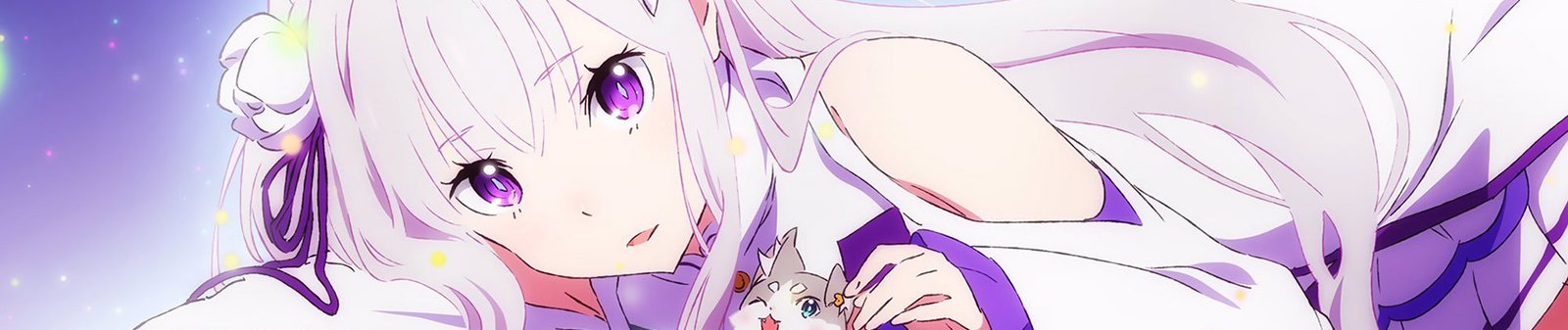
Table of Contents
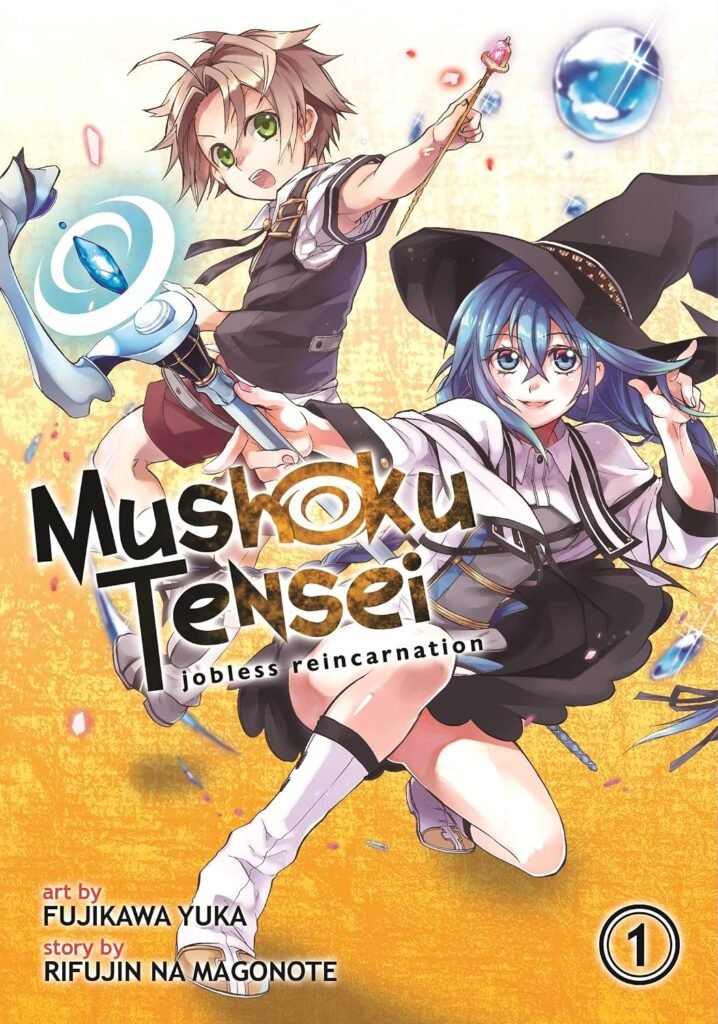
1. Mushoku Tensei: Jobless Reincarnation (Studio Bind, 2021)
Studio Bind was founded specifically to make this show — a joint venture between veteran studio White Fox and production company Egg Firm, formed for the sole purpose of adapting Rifujin na Magonote’s novels properly. That level of commitment shows in every frame. Mushoku Tensei follows a 34-year-old shut-in who dies in disgrace and is reborn as Rudeus Greyrat in a fantasy world, and unlike most of the genre, it treats that second life as an actual life — one with real consequences, real relationships, and real consequences for its protagonist’s failures, not just a power fantasy reset button. It’s widely considered the show that proved isekai could be prestige animation, not just a cheap adaptation pipeline.
2. Re:Zero − Starting Life in Another World (White Fox, 2016)
Re:Zero’s premise sounds like every other isekai on paper — Subaru Natsuki is summoned to another world — until it reveals its actual hook: Subaru’s only power is “Return by Death,” resetting time to a checkpoint whenever he dies, with no way to explain what he’s learned to anyone else. White Fox turned that into some of the most genuinely tense, psychologically brutal storytelling the genre has ever produced. Where most isekai protagonists breeze through their new world, Subaru fails, over and over, in increasingly horrifying ways, until he earns his victories. Four seasons in, it’s still one of the most acclaimed isekai in the genre’s history.
3. KonoSuba: God’s Blessing on This Wonderful World! (Studio Deen, 2016)
KonoSuba exists to make fun of every isekai trope the genre takes seriously, and it’s funnier than almost anything else on this list because of it. Kazuma dies an embarrassing death, gets offered one item to take to the afterlife, and picks the goddess responsible for sending him there — the incompetent, crybaby Aqua — instead of any useful power. What follows is a dysfunctional party comedy where nobody is competent, everybody is selfish, and the “chosen hero” premise gets dismantled episode after episode. It remains the genre’s definitive comedy entry.
4. That Time I Got Reincarnated as a Slime (Eight Bit, 2018)
TenSura took the “reincarnated with an overpowered ability” premise and built something genuinely ambitious out of it — Rimuru Tempest doesn’t just get strong, he builds an entire nation, complete with diplomacy, economics, and monster-species politics. It’s the most mainstream, most merchandised, and arguably most influential slime-related media property to ever exist, and it consistently ranks at or near the top of international isekai popularity charts season after season.
5. Overlord (Madhouse, 2015)
Overlord flips the genre’s usual moral framing: its protagonist, Momonga, gets trapped inside his favorite MMO as his overpowered skeleton-lich avatar Ainz Ooal Gown — and instead of becoming a reluctant hero, he leans all the way into being a terrifying, calculating conqueror. It was one of the first major isekai to ask “what if the isekai protagonist were actually the villain,” and that single inversion spawned a wave of imitators that never quite matched Madhouse’s original execution.
6. The Rising of the Shield Hero (Kinema Citrus, 2019)
Naofumi Iwatani gets summoned as one of four Cardinal Heroes, immediately framed for a crime he didn’t commit, and stripped of nearly everyone’s trust — turning what looks like a standard “chosen hero” premise into a genuinely bitter revenge-and-redemption arc. Kinema Citrus leaned hard into the emotional low points before letting Naofumi slowly rebuild, and the show’s willingness to sit in real betrayal and distrust before earning its payoffs is why it’s stuck around as one of the genre’s most-watched entries.
7. Sword Art Online (A-1 Pictures, 2012)
Whatever you think of how the later seasons handled its premise, Sword Art Online is the show that kicked off the modern isekai boom. Ten thousand players get trapped inside a VRMMO where dying in-game means dying for real, and Kirito has to fight, level, and survive his way out. Without SAO’s massive success in 2012, the genre almost certainly doesn’t explode into the dominant force it became over the following decade — it belongs on this list for influence alone, on top of still being a genuinely fun action series at its best.
8. No Game No Life (Madhouse, 2014)
Sora and Shiro — the reclusive NEET siblings who make up the unbeatable gamer duo “Blank” — get pulled into a world where every conflict, from wars to national borders, is settled by games instead of violence. Madhouse’s 2014 adaptation is one of the best-looking isekai ever made, all saturated color and hyperactive visual flair, and its game-logic plotting (out-thinking opponents rather than out-fighting them) still feels distinct from almost everything else in the genre a decade later.
9. Log Horizon (Satelight, 2013)
Log Horizon shares its “trapped in an MMO” premise with Sword Art Online, but goes in almost the opposite direction — instead of a lone swordsman cutting through danger, protagonist Shiroe builds guilds, negotiates politics, and treats the trapped world as a systems problem to be organized rather than a battlefield to survive. It’s the “smart” isekai of its era, more interested in economics, diplomacy, and city-building than combat, and it’s aged into a cult favorite for viewers who want their isekai to think instead of just fight.
10. Ascendance of a Bookworm (Ajia-Do, 2019)
Most isekai protagonists get combat power. Myne, reincarnated as a sickly peasant girl in a world without printing presses, gets an obsession with books and absolutely nothing else — so she sets out to invent papermaking, movable type, and an entire publishing industry from scratch, one grueling craft-based failure at a time. Ajia-Do’s adaptation (three seasons from 2019 to 2022, before WIT Studio took over for 2026’s Adopted Daughter of an Archduke) is the slowest-burning show on this list by design, and it’s exactly that patience and specificity that’s made it a fan favorite for viewers tired of overpowered-protagonist isekai.
New in 2026: Two of the shows on this list returned this year. Re:Zero Season 4 and Mushoku Tensei Season 3 finished first and second in Anime Corner’s Summer 2026 fan poll; see our best anime of 2026. Updated October 21, 2026.
Honorable Mentions
A handful of other isekai are worth knowing even though they didn’t crack the top 10: The Devil Is a Part-Timer! (a demon lord stuck working fast food in modern Tokyo), Grimgar of Fantasy and Ash (a quieter, more melancholy take on the “trapped in a game world” premise), and I’ve Been Killing Slimes for 300 Years (a deliberately low-stakes, comfort-focused isekai for viewers burned out on power fantasies).
Final Verdict
If you only watch one show from this list, make it Mushoku Tensei — it’s the clearest example of the genre operating at its absolute ceiling. If you want something that subverts the formula instead of perfecting it, Re:Zero and Overlord are the two that reshaped what isekai could even be about. And if you just want to laugh, nothing on this list beats KonoSuba.
Read next: 25 Best Anime Series of All Time, Ranked — The Definitive List · Top 10 Anime Villains of All Time, Ranked · Best Anime Movies of All Time — Ranked
Keep Reading: Best Anime Movies of All Time: 20 Films, Ranked · 25 Best Anime Series of All Time, Ranked · Top 10 Anime Villains of All Time, Ranked

Add NerdSnack as a preferred source on Google
The Weekly Pull
Exclusive guides and reader discounts, free.
Email-only guides, the week’s best new articles and reader discounts, plus the releases worth knowing about. Sign up and get our free Holiday Gift Guide 2026 (PDF) and Black Friday price-to-beat cheat sheet. Free. Unsubscribe anytime.
Crunchyroll has every simulcast, classic series, and anime film you could want — in HD, with new episodes every week.