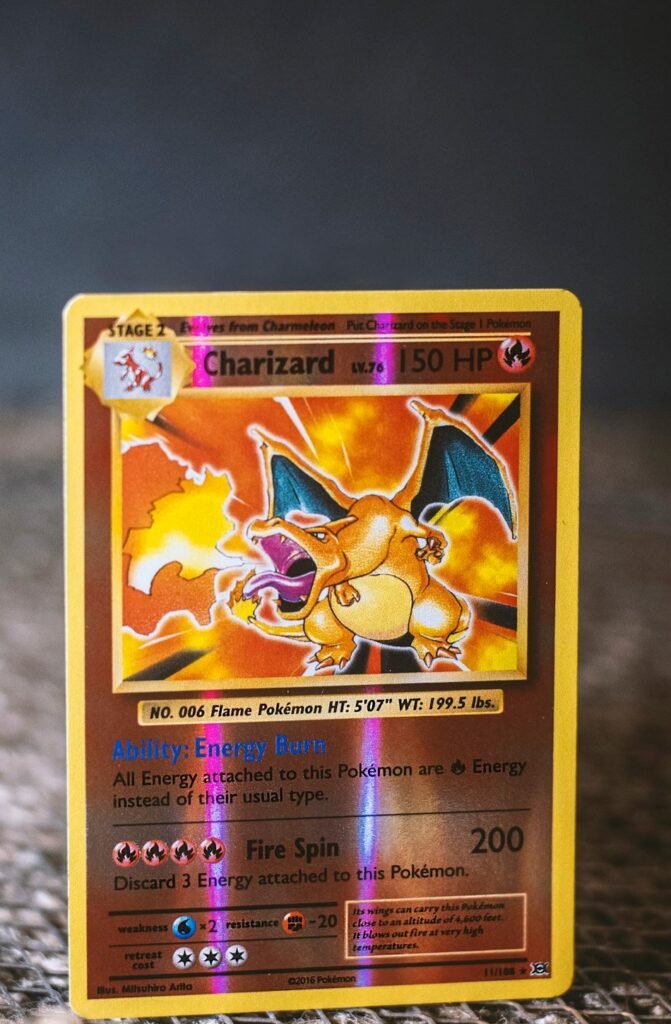
Counterfeit trading cards have gotten good enough that no single test catches them anymore — 2026’s “super fakes” are built specifically to pass the one trick everyone’s heard about. The fix is layering a few tests together. Here’s what actually works, for Pokemon and Magic: The Gathering both.
1. The Light Test (Quick First Pass)
Hold the card up to a bright light in a darkened room. Pokemon cards have a black opaque layer in the middle that blocks almost all light — if you can clearly see printed elements glowing through the card, that’s a red flag. MTG cards work the opposite way: genuine cards have a bluish-tinted core layer visible from the side, while fakes usually have a flat black core.
This is a fast first screen, not a final verdict — some of the better fakes now fake their own black layer. Don’t stop here.
2. The Texture Test (Most Reliable for Pokemon)
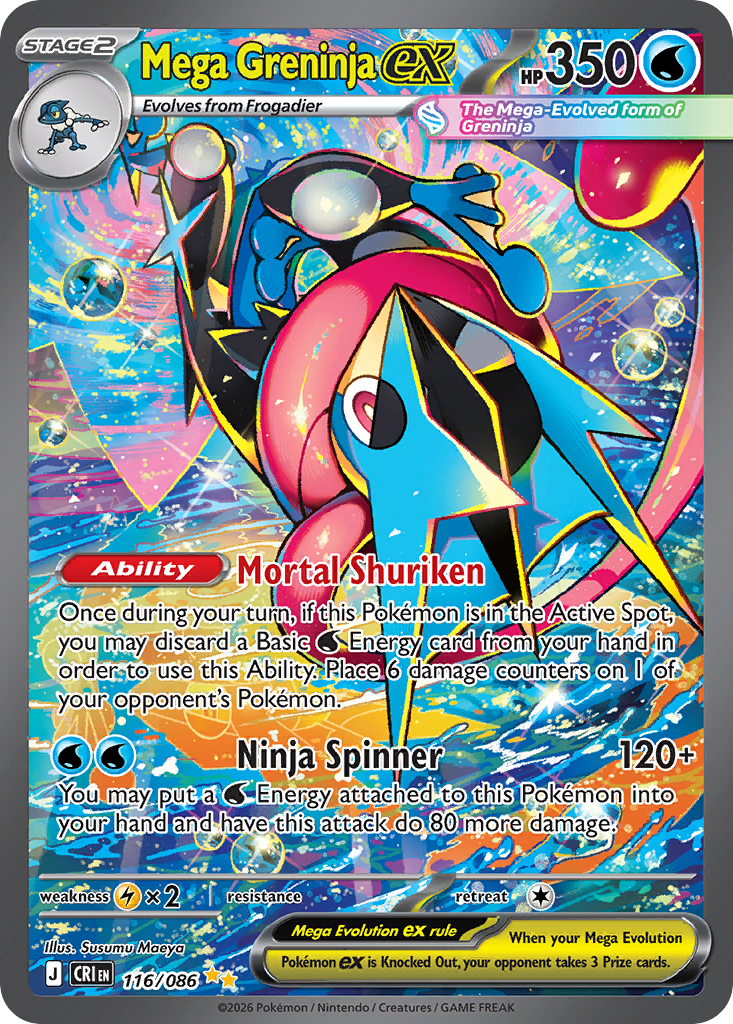
Run a fingernail across the card’s face. Genuine Pokemon cards have a fine etched texture you can both feel and hear — it’s often compared to dragging a fingernail across a vinyl record. Most counterfeits feel smooth and flat by comparison. Of all the individual tests, this one is the hardest for fakes to replicate, because it requires the same embossing equipment Pokemon’s actual printer uses.
3. The Weight Test
Genuine Pokemon and MTG cards both land in the same narrow window: 1.70 to 1.80 grams. A cheap kitchen scale is enough to check. A card weighing 1.60g or 1.95g isn’t a borderline case — it’s a fake, full stop. This is one of the cheapest, most objective tests available and worth doing on anything you’re paying real money for.

4. The Four Red Dots Test (MTG-Specific)
Flip the card over and look at the bottom-right corner with a jeweler’s loupe or strong magnifying glass. Genuine Magic cards have exactly four small red dots arranged in an L-shape near the green mana symbol, which itself contains a solid green dot. If those four red dots aren’t there in that exact pattern, the card is fake — this one has no gray area.
5. Font, Text, and Card Back Inspection
Look closely at the rules text and set symbols. Counterfeits frequently show slightly blurred lettering, inconsistent letter spacing, or missing diacritical marks (the accent in “Pokémon” is a common tell). For Pokemon cards specifically, check the card back — the Poké Ball coloring and the blue swirl pattern surrounding it require precise color gradients that are difficult for counterfeiters to nail exactly.
What’s Different for One Piece TCG
The same core principles apply, but One Piece cards have their own specific tells. Check the card back color first — genuine cards have a balanced, rich color palette, while fakes commonly show a slight purple tint that’s easy to spot once you know to look for it. For high-rarity cards (SR, SEC, and Alternate Art), the holofoil should be uniform and subtly sparkly; if it looks too shiny or glossy, almost sticker-like, that’s a red flag. On modern cards from OP-05 onward, Bandai includes a small embossed security stamp on the card face — a valuable card missing that stamp, or with a poorly defined one, is very likely fake.
The Biggest Red Flag of All: Price
If a card that normally sells for $100 is being offered at $20 with no explanation, that’s not a deal — it’s the single most reliable warning sign across every TCG. Established hobby stores and authorized retailers have their reputation on the line and source directly from distributors, which is exactly why buying from them (even at full price) is usually cheaper in the long run than chasing a too-good-to-be-true listing that turns out to be a fake.
Putting It Together
No single test is bulletproof on its own — that’s exactly why fakes that pass the light test exist. Combine at least three of the tests above (light + texture + weight is a strong baseline) before trusting a card that matters to your collection. If a card fails even one test clearly, don’t talk yourself out of it.
The Best Protection: Buy From Reputable Sources
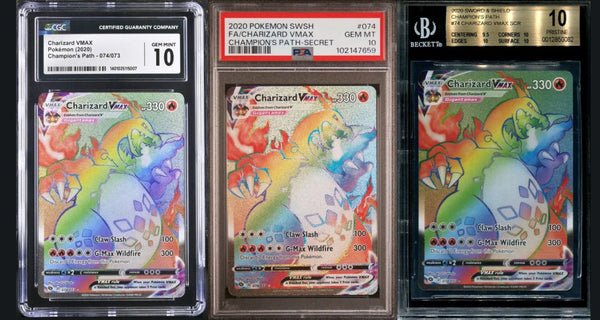
All of this matters most for singles bought outside of sealed packs — secondhand marketplaces, card shows, and unverified online sellers are where counterfeits actually circulate. Buying sealed product directly from the manufacturer or an authorized retailer sidesteps the problem entirely. For anything expensive enough to matter, getting it professionally graded is the strongest protection available — a grading company authenticates the card as part of the process, which is one more reason grading isn’t just about the number on the slab. We cover how that process works in our PSA vs. BGS vs. CGC grading breakdown.
If you’re specifically worried about high-value cards, our guides to the most valuable MTG Marvel Super Heroes cards and the best Pokémon TCG Chaos Rising cards are exactly the kind of cards counterfeiters target most — worth extra scrutiny before you buy.
As an Amazon Associate, NerdSnack earns from qualifying purchases.
Keep Reading: How to Grade Your Cards: PSA vs BGS vs CGC Breakdown (2026) · Best Card Sleeves for MTG, Pokémon, and TCG in 2026: The Complete Guide
Frequently Asked Questions
What’s the quickest way to check if a Pokemon card is fake?
The light test — hold the card up to a bright light in a darkened room. Genuine Pokemon cards have a black opaque layer that blocks almost all light; if printed elements glow clearly through the card, it’s likely fake.
How do I check if an MTG card is real?
The Four Red Dots test — flip the card over and check the bottom-right corner with a loupe. Genuine Magic cards have exactly four small red dots in an L-shape near the green mana symbol. If that pattern isn’t there, the card is fake, no gray area.
What’s the biggest red flag for a fake trading card?
Price — a card that normally sells for $100 being offered at $20 with no explanation is the single most reliable warning sign across every TCG.
Is the fake-detection process different for One Piece TCG cards?
Yes — the guide covers what’s specifically different for One Piece TCG compared to the Pokemon and MTG tests covered earlier.



Everything we recommend, curated in one place — from anime merch to gaming gear and snacks.