
MTG Marvel Super Heroes: The Plans Mechanic Explained
Plans are the most original new mechanic in Magic: The Gathering Marvel Super Heroes, and they are central to some of the most powerful strategies in the set. If you have seen Plans referenced in spoiler coverage and want to understand exactly how they work, what makes them powerful, and which ones are worth building around, this is the complete guide.
Cards That Showcase the Plans Mechanic in Action
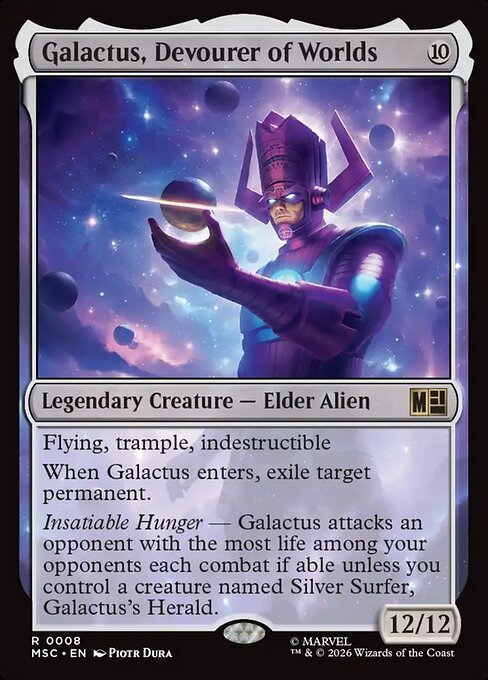
Galactus, Devourer of Worlds
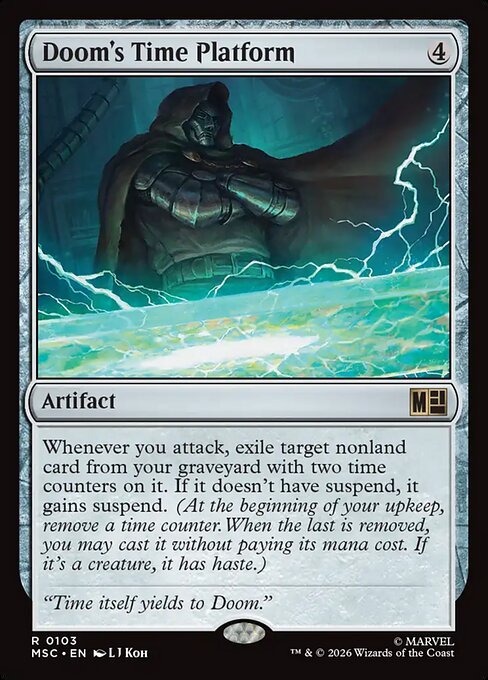
Doom’s Time Platform
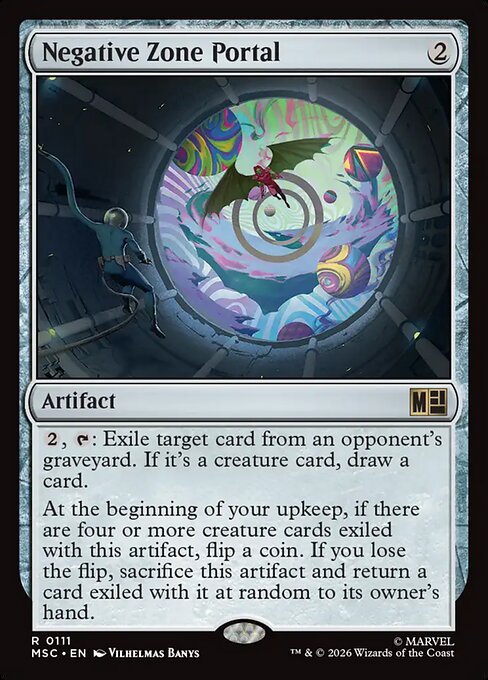
Negative Zone Portal
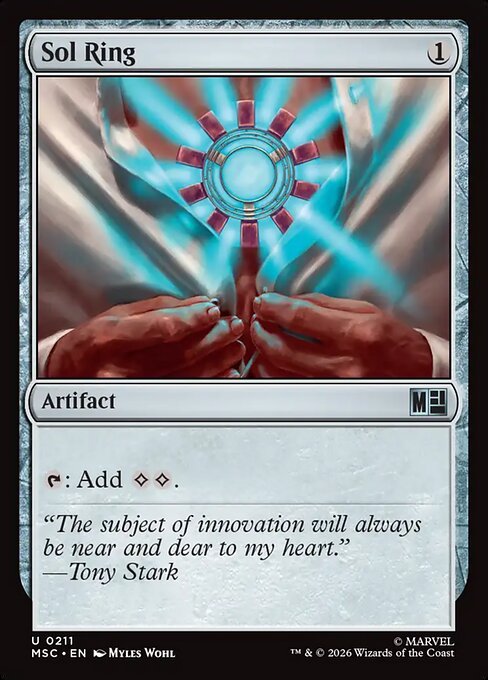
Sol Ring
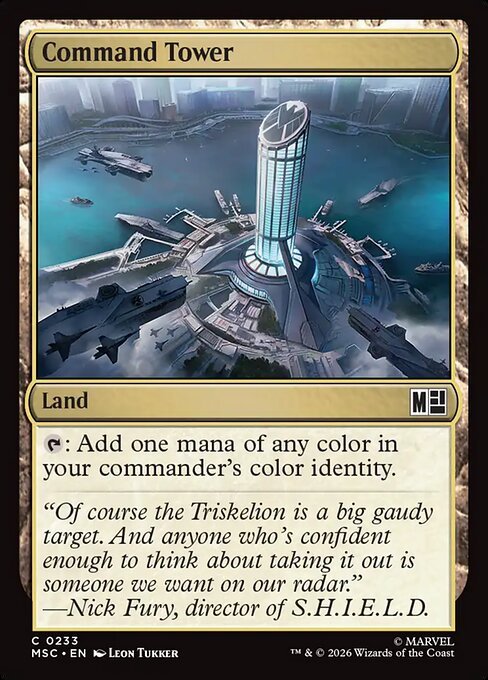
Command Tower
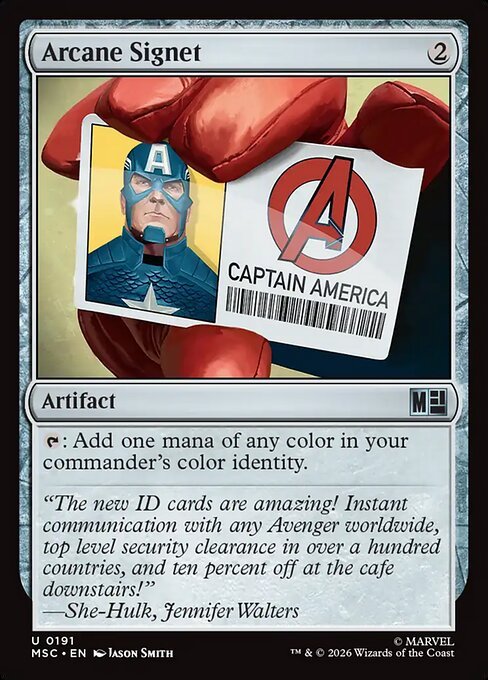
Arcane Signet
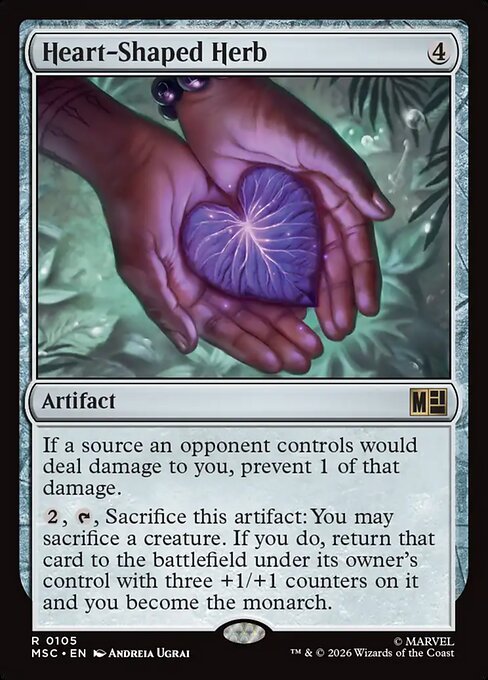
Heart-Shaped Herb
Keep Reading: MTG Marvel Super Heroes: Every Product and Set Detail · Best New Cards in MTG Marvel Super Heroes
What Is a Plan in MTG Marvel Super Heroes?
A Plan is a new enchantment subtype introduced in Marvel Super Heroes. Plans enter the battlefield and begin accumulating Plan Counters as you perform specific in-game actions tied to each Plan’s individual text. The trigger conditions vary per Plan — some advance when you cast a Villain, others when you attack with a Hero, others when you activate or tap an artifact, and so on.
When a Plan has accumulated the required number of Plan Counters — usually printed directly on the card — you sacrifice it for a major payoff effect. The payoff is almost always game-relevant: a large damage effect, a card draw burst, a creature generation effect, or a combat bonus scaled to the game state at the moment you cash it in.
Why Plans Are Designed Better Than They Might Look
The key insight about Plans is that they reward playing naturally rather than forcing you to hold cards and wait for perfect timing. A Plan that advances when you cast a Villain is not asking you to do anything you were not already doing — you were going to cast Villains anyway. The Plan Counter accumulation is free progress toward a payoff, not a resource you are spending.
This design philosophy separates Plans from most other “build toward a payoff” mechanics in Commander history. Many similar mechanics ask you to build specifically around them and suffer when you draw them at the wrong time. Plans work best in decks that are already doing the thing the Plan rewards — which means the best Plans are the ones aligned most naturally with your deck’s primary strategy.
The Villain-Focused Plans
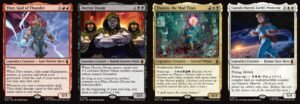
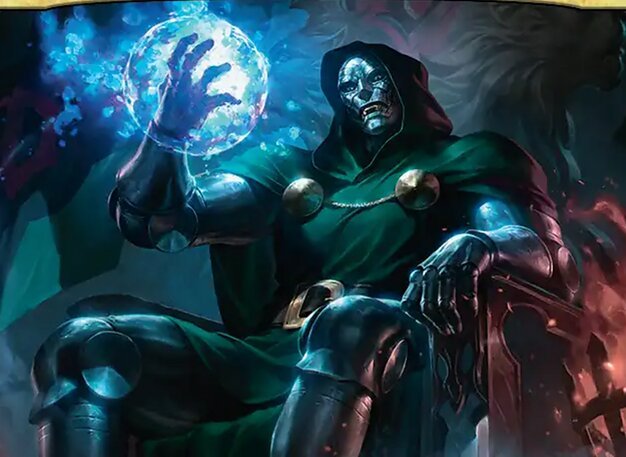
The Doom Prevails Commander precon contains the most Plans and the most Villain-focused Plans in the set. These Plans advance when you cast Villains, connive, or execute effects tied to the Grixis strategy. In Doctor Doom’s deck, Plans are active almost every turn and their payoffs align directly with the life drain and control strategy.
The additional benefit in Doom’s deck: an active Plan on the battlefield makes Doctor Doom indestructible. This creates a direct mechanical incentive to always have a Plan in play — and because the deck is built to accumulate Plan Counters naturally, you rarely find yourself without one. The result is a commander who is extraordinarily difficult to permanently answer while your Plans engine is running.
The Hero-Focused Plans
Hero-focused Plans advance when you attack with Heroes, cast Hero spells, or execute effects tied to the Jeskai strategy in Avengers Assemble. These Plans represent Captain America’s actual strategic planning before a mission — they build over the course of a game and pay out at decisive moments.
In the Avengers Assemble precon, Hero Plans pair with the +1/+1 counter and Teamwork mechanics to create a compounding advantage system. You attack with Heroes to advance your Plans. Your Plans pay out to reinforce your Hero board. Your reinforced Hero board attacks again to advance the next Plan. The loop is self-sustaining once established.
Best Synergy Cards for Plans
Enchantress effects — Any card that draws when enchantments enter the battlefield draws when Plans enter. Mesa Enchantress, Setessan Champion, and Eidolon of Blossoms all generate immediate value from Plan deployment.
Proliferate effects — Proliferate adds a counter to every permanent with a counter on it. A proliferate effect with three Plans in play adds three Plan Counters simultaneously, potentially completing multiple Plans in a single activation. Thrummingbird, Inexorable Tide, and Tekuthal, Inquiry Dominus all become dramatically more powerful in a Plans-heavy strategy.
Enchantment recursion — Returning Plans from the graveyard after they are sacrificed for payoffs generates additional value from the same card. Enchantment recursion cards like Doom’s Time Platform and Open the Vaults become Plans recursion in this context.
Counter copy effects — Any effect that places extra counters (Hardened Scales, Branching Evolution, Negative Zone Portal) also applies to Plan Counters, accelerating how quickly Plans reach their payoff threshold.
Plans Across All Four Commander Decks
Doom Prevails — The Plans-heaviest deck. Doctor Doom’s indestructibility depends on active Plans. Villain casting advances them rapidly. This is the deck most built to exploit Plans at the highest level.
Avengers Assemble — Hero-focused Plans advance through the natural attack step. Plans here function as bonus objectives that reward playing aggressively.
Wakanda Forever — Artifact-focused Plans advance through T’Challa’s Vibranium engine. Plans here scale with the artifact token generation.
The Fantastic Four — Plans appear here as objectives that advance through the noncreature spell strategy, rewarding consistent spellcasting with compounding payoffs.
Are Plans Broken or Balanced?
Plans are well-balanced for Commander. They are not individually game-breaking — each Plan is a single enchantment that needs time to develop and can be destroyed before it pays out. What makes them powerful is the cumulative advantage across multiple Plans over a long game, and the interaction with Doctor Doom’s indestructibility condition.
In competitive constructed formats like Pioneer and Modern, Plans are unlikely to see play — the setup required is too slow for those formats. In Commander and casual constructed, they represent a compelling new angle that rewards patience and deck-building precision. The Plans cycle is the mechanic most likely to define deckbuilding within its supported archetypes for years after the set’s release.
Final Word
Plans are the deepest strategic mechanic in MTG Marvel Super Heroes. They reward you for playing your deck naturally, scale with deck-building investment, and create a distinct game-within-a-game where you track multiple objective tracks simultaneously while managing the main board. If you build around them intentionally — with proliferate, enchantress effects, and the right Plan selection for your strategy — they are one of the most powerful sustained advantage engines in the Commander format.
Keep Reading: Doom Prevails Precon: Full Guide and Upgrades · Avengers Assemble Precon: Full Guide and Upgrades
Keep Reading: MTG Marvel Super Heroes: Complete Guide 2026
Frequently Asked Questions
What is a Plan in MTG Marvel Super Heroes?
A new enchantment subtype that enters the battlefield and accumulates Plan Counters as you perform specific in-game actions tied to each Plan’s text, then gets sacrificed for a major payoff effect once it hits the required counter count.
How do Plans trigger their Plan Counters in MTG?
Trigger conditions vary per Plan — some advance when you cast a Villain, others when you attack with a Hero, others when you activate or tap an artifact.
What happens when a Plan reaches its required Plan Counters?
You sacrifice it for a major payoff effect — almost always game-relevant, like a large damage effect, a card draw burst, a creature generation effect, or a combat bonus.
Are Plans a broken or balanced mechanic in MTG Marvel Super Heroes?
The guide addresses this directly in its ‘Are Plans Broken or Balanced?’ section, alongside how the mechanic plays out across all four Commander decks.
Pull your own Marvel cards.
Grab an MTG Marvel Play Booster on Amazon and build the deck yourself.

TCGPlayer has the best prices on Magic, Pokemon, Dragon Ball, and Riftbound singles — with seller ratings and buyer protection.