Nestlé Japan has released more than 300 Kit Kat flavours since 2000. Most of them are genuinely excellent. A few are baffling. Here is where every major variety lands, ranked with a single honest verdict each.
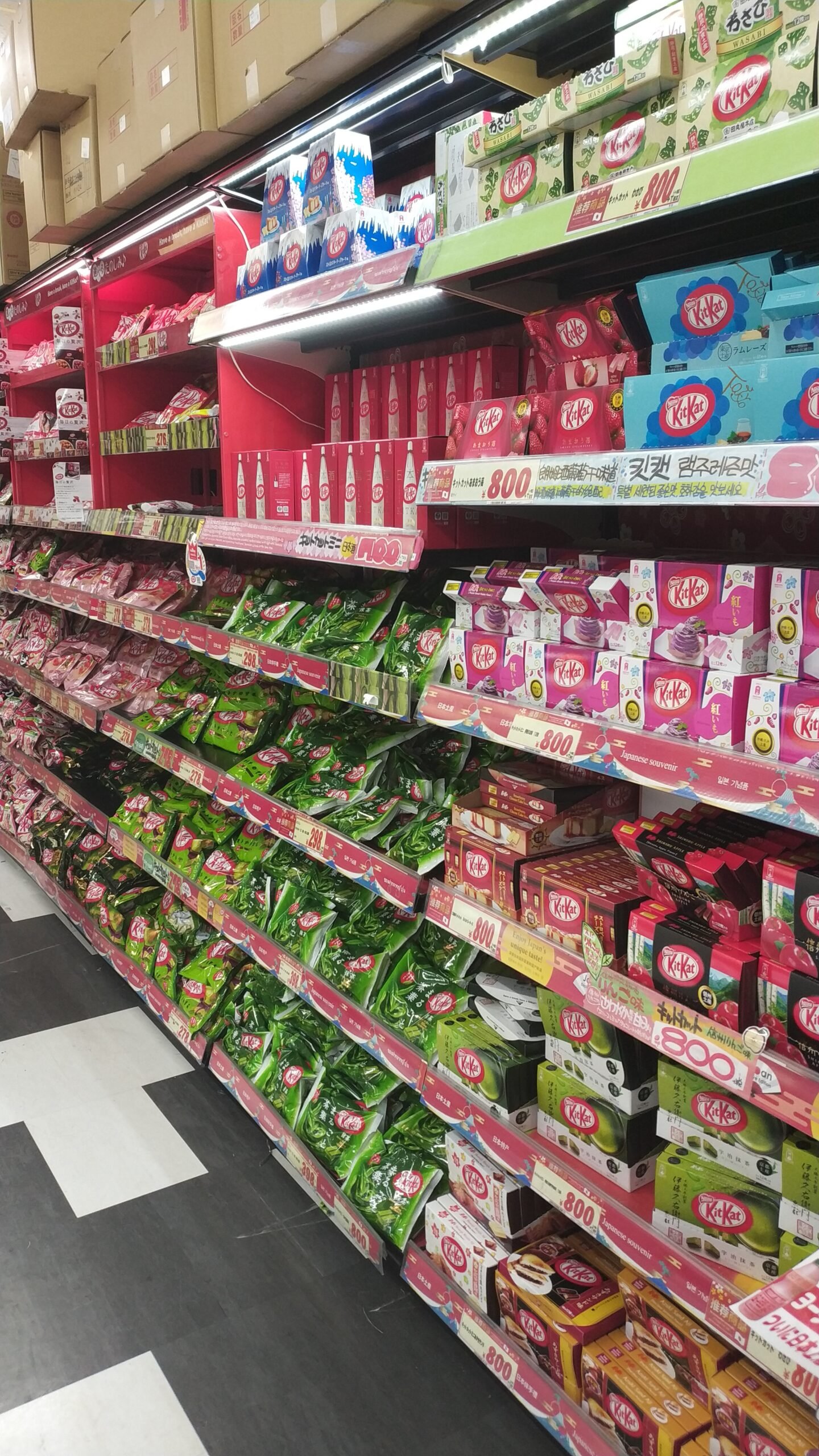
Nestlé Japan began releasing regional and seasonal Kit Kat flavours in 2000. What started as a marketing experiment became a cultural institution. The name itself helped — “Kitto Katsu” sounds like “surely win” in Japanese, making Kit Kats a popular exam season gift. The flavour programme now operates year-round, with new releases timed to seasons, regions, and collaborations.
The Rankings
Matcha — Buy as Many as You Can Carry
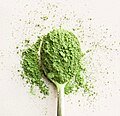
The definitive Japanese Kit Kat. White chocolate base, real matcha powder, clean bitter finish. Every other flavour exists in its shadow. It comes in several versions, from the standard convenience-store bar to richer premium editions.
Hojicha (Roasted Green Tea) — Nearly as Good
Roasted tea has a lower caffeine content and a warmer, smokier flavour than matcha. The Kit Kat version leans into the caramel notes. If the matcha is sold out — and it often is — this is the correct substitute.
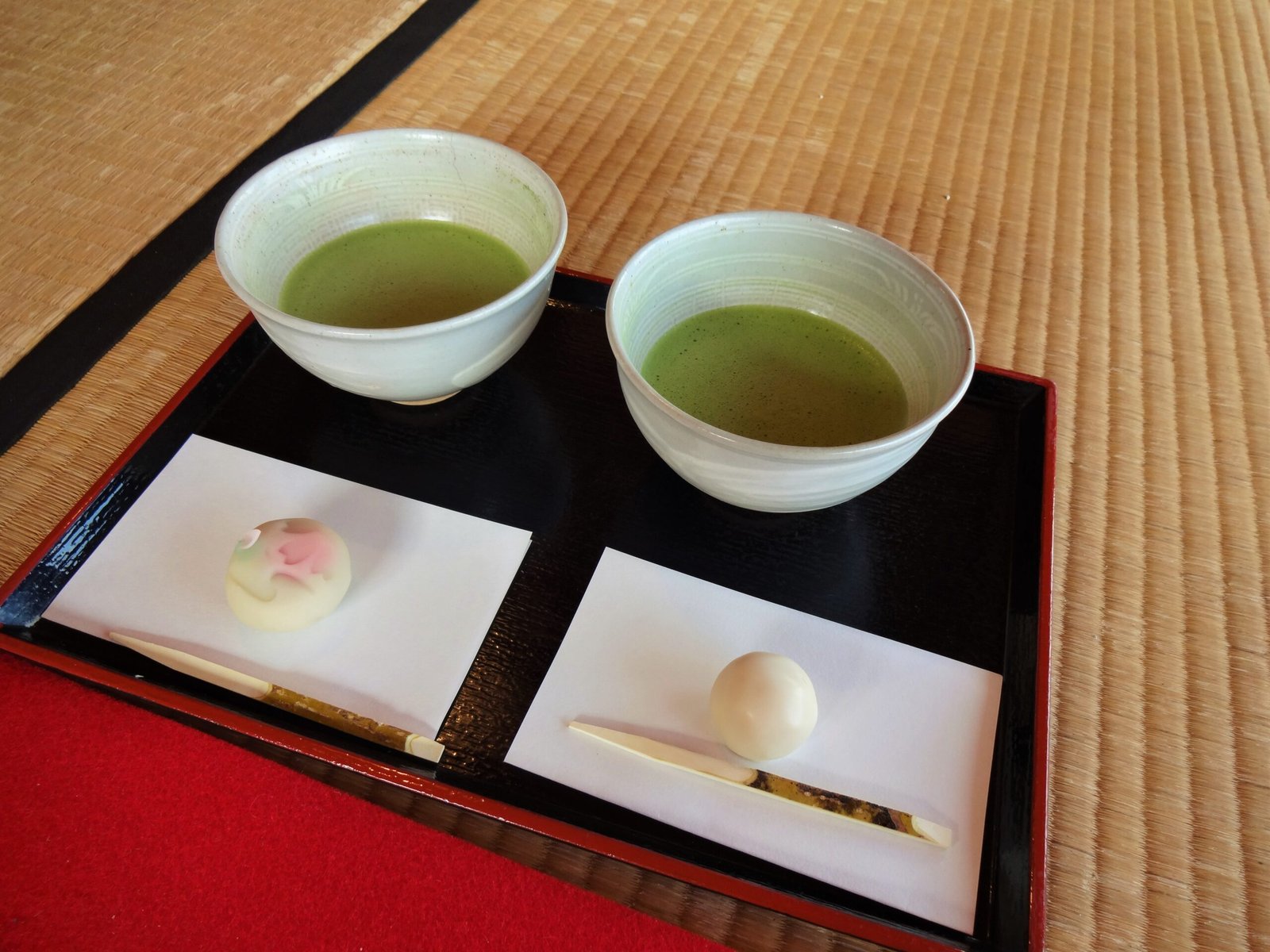
Strawberry Cheesecake — Legitimately Excellent
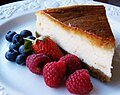
Crisp wafer coated in strawberry and cream cheese flavoured white chocolate. It sounds gimmicky. It is not. The acidity cuts through the sweetness at exactly the right moment. One of the few fruit flavours that succeeds without tasting artificial.
Sake — Order It Once, Respect It, Move On
White chocolate infused with Japanese sake lees. The alcohol content is technically 0.8% — not enough to feel but enough to taste. It is interesting rather than delicious. Worth experiencing. Not worth finishing the box alone.
Keep Reading: Best Japanese Import Snacks You Can Buy Right Now, Ranked · 5 Japanese Snacks Every Anime Fan Needs Right Now · Top 10 Japanese Snacks to Buy Online: The Ultimate Guide for Anime Fans
Purple Sweet Potato — Underrated
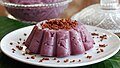
An Okinawa regional specialty, made with the island’s beni imo purple sweet potato. Deep purple colour, earthy sweetness, no artificial aftertaste. If you find these outside Japan, buy them immediately. They disappear quickly and do not come back.
Wasabi — Not What You Expect
The heat is real but brief. White chocolate softens it into something that reads more as a tingle than a burn. It is a genuinely good flavour pairing that most people dismiss before trying.
Shinshu Apple — Regional and Worth It
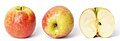
Nagano (Shinshu) is one of Japan’s biggest apple-growing regions, and this flavour leans into that. Bright, tart, and lighter than most Kit Kats. A good palate cleanser between heavier anime episodes.
Cookies and Cream — Safe, Solid, Skippable

Nothing wrong with it. Nothing exciting about it either. If you have been to Japan and want to bring back something guaranteed to please a crowd, this is your answer. If you are choosing for yourself, pick anything else on this list.
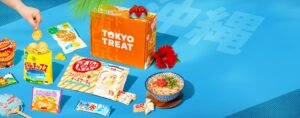
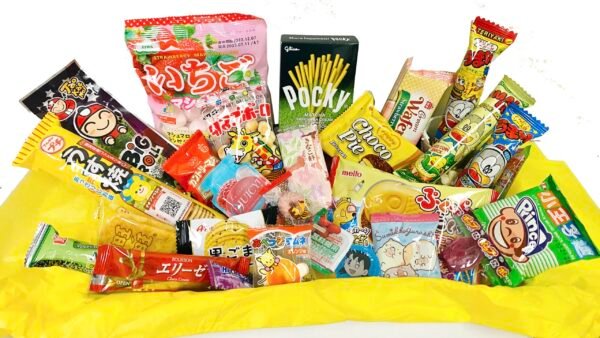
Where to find them: Import shops like Japan Centre (UK) and Nippon Ya (US) carry rotating selections, and snack boxes like TokyoTreat and Bokksu sometimes include limited flavours.
Flavours to Skip
Not every Japanese Kit Kat lands. Baked Pudding sounds better than it tastes — the caramel sweetness is one-dimensional and quickly cloying. Cough Drop exists in a bizarre medical-adjacent territory that suits nobody looking for a snack. The Cola and Ramune flavours photograph impressively and disappoint immediately after — artificial fizz notes do not translate well to chocolate. Most Western-facing “Japanese Kit Kat variety packs” on Amazon include these novelty flavours because they photograph well rather than because they taste good. If you are building a purchase list, focus on the flavours in this ranking and avoid anything that sounds like it belongs in a pharmacy or a theme park gift shop.
How the Regional System Works
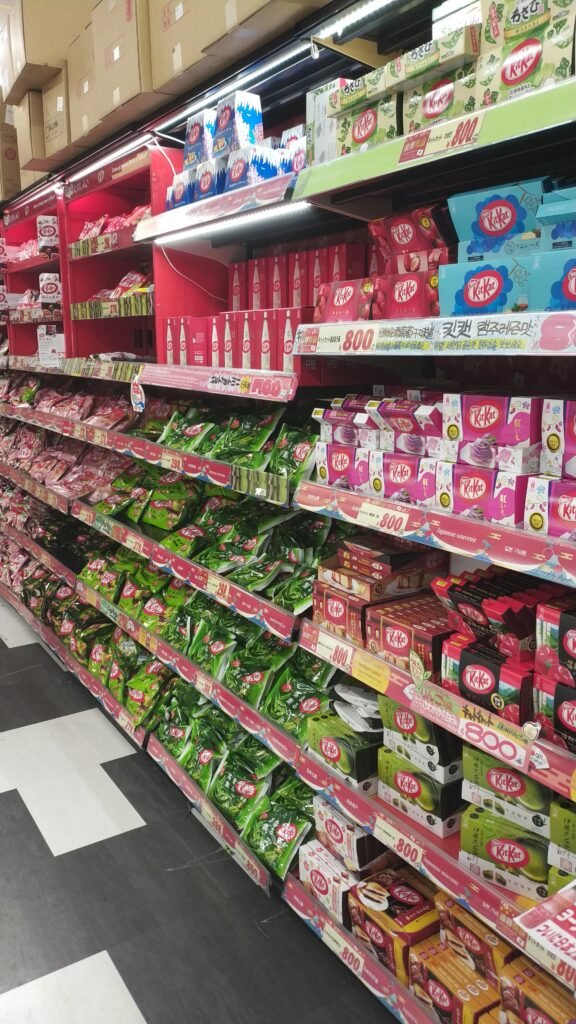
Nestlé Japan produces regional exclusives tied to specific prefectures and their famous local products — a practice rooted in Japan’s omiyage culture, the tradition of bringing back regional gifts when travelling. Okinawa has its purple sweet potato and Shinshu (Nagano) has apple, for example. Some prefectural editions never reach import shops at all. This rolling regional system is why the Kit Kat section in any Narita Airport duty free looks like a small museum dedicated to Japanese geography.
The Premium Chocolatory Range
Beyond standard packaging, Nestlé Japan operates a premium line called Kit Kat Chocolatory. These use higher-cacao chocolate, refined flavour combinations, and packaging designed as gift items rather than impulse purchases. Its Ruby Chocolate Kit Kat, launched in 2018, was the first product made with ruby chocolate, which gets its pink colour and berry notes from ruby cocoa beans. If you are buying Japanese Kit Kats as a gift for someone who actually knows their Japanese sweets, Chocolatory editions are the correct choice over the standard convenience store line.
Keep Reading: 5 Japanese Snacks Every Anime Fan Needs Right Now · Top 10 Japanese Snacks to Buy Online: The Ultimate Guide for Anime Fans · TokyoTreat vs Bokksu vs Japan Crate: Which One Should You Actually Pick?
Frequently Asked Questions
What is the best Japanese Kit Kat flavor?
Matcha — the definitive Japanese Kit Kat, with a white chocolate base, real matcha powder, and a clean bitter finish, available in standard, dark, and premium gold editions.
What’s the best substitute if Matcha Kit Kats are sold out?
Hojicha (Roasted Green Tea) — nearly as good, with lower caffeine and a warmer, smokier, more caramel-leaning flavor.
Why are Kit Kats so popular in Japan?
“Kit Kat” sounds like “kitto katsu,” which means “you will surely win,” so they’re a popular good-luck gift for students before exams. Nestlé Japan has built a huge range of regional and seasonal flavours around that.
The Weekly Pull
The biggest card price moves, every Friday.
The week’s biggest card and collectible price moves, plus the movie, anime and game releases worth knowing about. Sign up and get our free Black Friday 2026 price-to-beat cheat sheet. Free. Unsubscribe anytime.
Related Posts:
Talk to us
Got a question, a tip or a request? Email us.
A real person reads every message at hello@nerdsnack.com, and we usually reply within 1–2 business days.
Prefer a form? Use our contact page.
Get authentic Japanese snacks, anime candy, and nerd-themed food delivered to your door. Use code NERDSNACK for 15% off your first box.