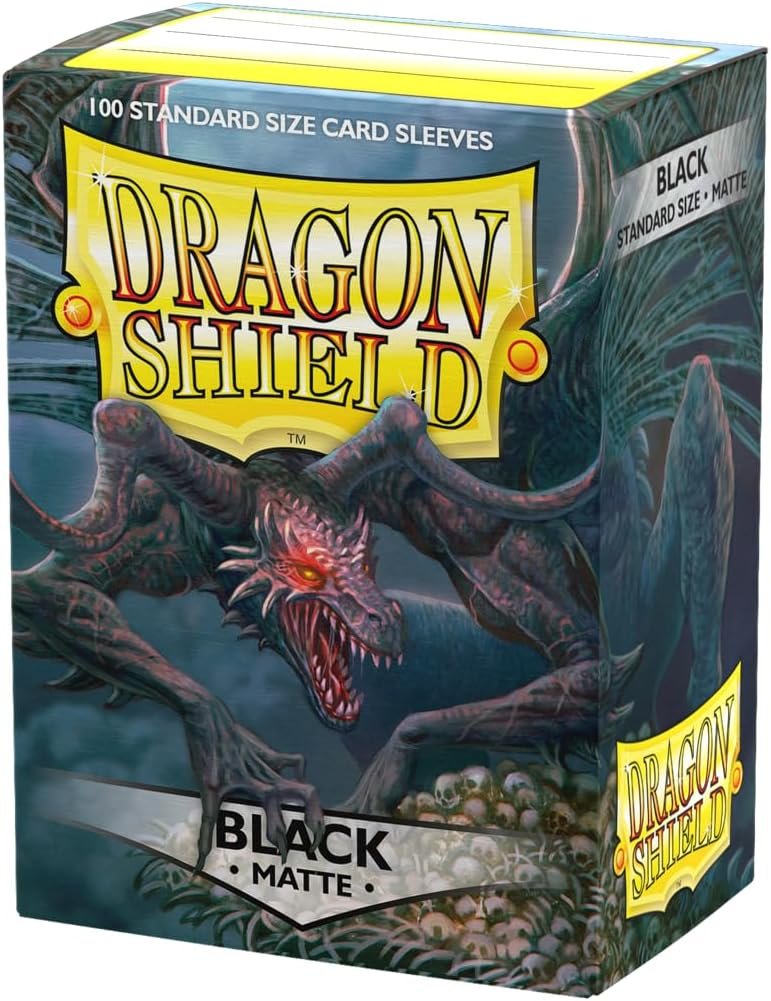
A single Dragon Shield outer sleeve is fine for a deck full of $2 commons. It is not enough for a $200 Smaug the Magnificent or an $800 One Ring. This guide covers the specific sleeving setup collectors actually use for cards worth real money — not a general TCG sleeve roundup, but what changes once a card is expensive enough to matter.
Keep Reading: MTG Hobbit Chase Cards · Most Valuable LOTR MTG Cards · Best MTG Binders for Expensive Cards
Why One Sleeve Isn’t Enough for a Chase Card
A single outer sleeve protects a card from surface scratches during normal handling. It does nothing for the edges and corners, which is where most of a card’s visible wear actually happens — and edge/corner wear is exactly what tanks a grading score. Serious collectors double-sleeve anything worth grading or reselling: a snug inner sleeve against the card, then a standard outer sleeve over that, so the card never directly contacts the outer sleeve’s looser fit. It costs about ten cents extra per card. A $200 special-treatment pull that grades a point lower because a corner got soft in transit costs a lot more than that.

The standard for a reason — smooth, consistent shuffle feel and a matte finish that doesn’t glare under camera or store lighting when you’re showing off a pull. PVC-free and archival safe, sized for standard 63×88mm cards across MTG, Pokémon, One Piece, and Flesh and Blood.
Protect Your Chase Cards
Great Prices
Easy Returns

Perfect Fit sleeves are cut to hug the card on all four edges with zero wiggle room and no glue — the card sits dead center inside the outer sleeve instead of shifting around and grinding against the corners over time. This is the exact setup collectors use before submitting a card for grading, and it’s worth doing for anything you’d call a chase pull even if grading isn’t the plan yet.

For a card you’re actively selling, trading, or about to mail off for grading, a rigid toploader beats any flexible sleeve. The 20PT-thick PVC shell won’t bend in a padded envelope the way a sleeve-only card can, and it’s the format graders expect a submission to arrive in.
Shipping or Submitting a Card?
Great Prices
Easy Returns
Beyond Protection: Dragon Shield’s Limited Edition Art Sleeves
Everything above is about protecting a card’s value. This part is about a different kind of value entirely — Dragon Shield’s Limited Edition Art Sleeves are collectibles in their own right, and a few specific releases have become genuinely sought-after among sleeve collectors, separate from whatever’s actually inside them. These aren’t something we’re linking to buy (most limited runs are long sold out at retail and only trade on the secondary market now), but they’re worth knowing about if you’re deep enough into this hobby to care about what’s protecting your protection.
- ▸The Great Wave. A Brushed-back sleeve reproducing Hokusai’s woodblock print, capped at 3,000 units and explicitly never reprinted. The one Dragon Shield collectors bring up first — genuinely scarce rather than just “limited edition” in the usual marketing sense.
- ▸Gaial, Sire of Arcania. The first Art Sleeve Dragon Shield ever released, back in January 2018, featuring artist Ian Miller’s work printed directly onto a Matte White sleeve — not layered on top, which is the manufacturing detail that separates real Art Sleeves from cheaper printed imitations.
- ▸Seasonal and themed drops. Releases like Valentine Dragons or General Vicar: Coat-of-Arms come and go seasonally and sell out fast — if a specific art catches your eye, buy it when it’s actually in stock rather than waiting, since Dragon Shield rarely brings a design back once it’s gone.
None of this changes the buying advice above — for actually protecting a $200+ chase card, the plain Matte or Perfect Fit picks are still the right call. Art Sleeves are a separate hobby-within-the-hobby, not a substitute for the protection setup this guide is built around.
Frequently Asked Questions
For anything under about $20, probably. For a genuine chase card like the ones in our Hobbit chase cards guide or LOTR’s most valuable cards, the extra $0.10 per card is not overkill.
No — sleeve the card first, then insert the sleeved card into the toploader. The sleeve protects the surface; the toploader protects the sleeve and the card’s structural rigidity.
Both accept cards in a penny sleeve inside a rigid toploader or one-touch holder — a simple penny sleeve plus toploader like the BCW pick above meets submission requirements for most graders.
Final Verdict
Keep Reading: Best MTG Binders for Expensive Cards · Best LOTR Commander Cards · MTG Hobbit Chase Cards




TCGPlayer has the best prices on Magic, Pokemon, Dragon Ball, and Riftbound singles — with seller ratings and buyer protection.