“Shonen” and “seinen” get thrown around online like they’re genres — shorthand for “simple battle anime” versus “the mature, serious stuff.” That’s not actually what the words mean. Both terms describe a target demographic, not a content rating or a storytelling style, and mixing those up is exactly why shows like Attack on Titan confuse people who assume graphic violence automatically means “seinen.”

Keep Reading: Best Manga to Read After Watching the Anime: 10 Essential Picks · 25 Best Anime Series of All Time, Ranked
What Shonen and Seinen Actually Mean
Both words are Japanese publishing demographics, not genre labels. “Shonen” (少年) means “young boy” and refers to material published in magazines aimed at boys roughly 12 to 18 — Weekly Shonen Jump, Weekly Shonen Magazine, Weekly Shonen Sunday. “Seinen” (青年) means “young man” and refers to magazines aimed at adult men 18 and up — Young Jump, Monthly Afternoon, Big Comic Spirits. The classification isn’t decided by a show’s animation studio or its content warnings; it’s decided by which manga magazine the source material was originally serialized in, full stop. That’s a publishing decision made years before most fans ever see the anime adaptation, and it’s made by an editor at a publishing house like Shueisha or Kodansha based on which magazine’s readership and pitch a given manga best fits — not by any committee predicting how violent or complex the story will eventually become.
There are two more demographic labels worth knowing alongside these: “shojo” (少女, aimed at teenage girls, home to Sailor Moon and Fruits Basket) and “josei” (女性, aimed at adult women, home to Nana and Paradise Kiss). The four labels form a single grid — age bracket on one axis, gender the magazine originally targeted on the other — and shonen/seinen is just the half of that grid aimed at male readers.
What Shonen Actually Looks Like

Shonen series tend to share a specific set of structural habits, not because young readers demand simplicity, but because the format is built around weekly serialization and reader popularity polls that can end a series early if it stalls. That produces a recognizable shape: a protagonist who improves through visible effort, power systems that escalate in clear stages, and themes built around friendship, perseverance, and earning strength rather than being handed it. One Piece, Jujutsu Kaisen, My Hero Academia, and Demon Slayer are all Weekly Shonen Jump properties, and all of them follow that basic pattern even though their tone, art style, and violence level vary enormously from one to the next — which is itself proof that “shonen” isn’t describing how graphic a show is allowed to be.
What Seinen Actually Looks Like
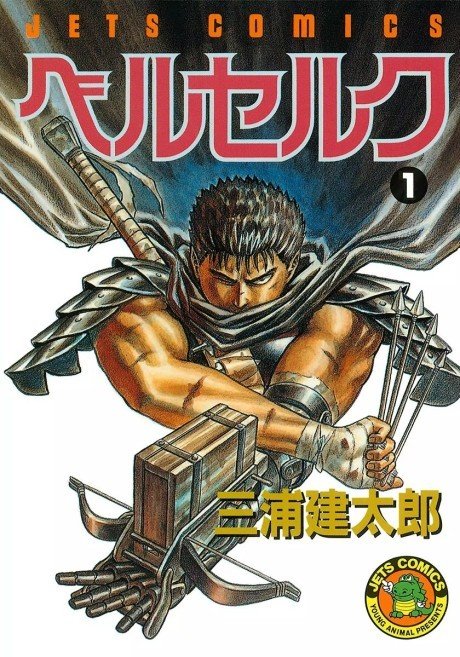
Seinen magazines serialize monthly rather than weekly in most cases, which removes the popularity-poll pressure and gives creators room for slower pacing, morally ambiguous protagonists, and endings that don’t need to resolve neatly. Berserk is the textbook example — serialized in Young Animal, built around a protagonist whose arc is defined as much by trauma and compromise as by victory. Vinland Saga is a more interesting case: it actually started in Weekly Shonen Magazine in 2005 before moving to the monthly seinen magazine Afternoon after just 16 chapters, not because the story got more mature, but because creator Makoto Yukimura couldn’t sustain a weekly schedule. The story’s own tonal shift from revenge saga to a much slower meditation on violence happened gradually either way, largely independent of which magazine was printing it.
Keep Reading: Chainsaw Man: The Complete Anime & Manga Guide for 2026 · Hunter x Hunter Nen Explained
The Attack on Titan Problem
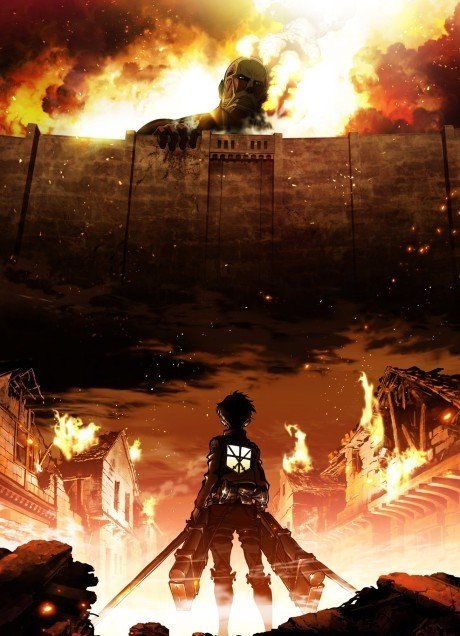
Attack on Titan is the single best proof that the shonen/seinen split isn’t about maturity. It was serialized in Kodansha’s Bessatsu Shonen Magazine from 2009 to 2021, which makes it, by definition, a shonen series — despite people being eaten on-screen, a body count that spans entire nations, and political themes about genocide and generational trauma that go well past what most people assume “for teenage boys” means. The confusion happens because readers reasonably associate graphic content with an adult label, but Kodansha’s decision to run it in a shonen magazine wasn’t a mistake or a marketing quirk — it just reflects that Bessatsu Shonen Magazine had already been publishing darker, more experimental work than Weekly Shonen Jump for years before Attack on Titan showed up. The magazine’s target demographic never changed; the ceiling for what that demographic’s magazine was willing to print did.
How to Actually Check Which One a Show Is
The reliable method is to skip the anime entirely and look up which magazine the source manga was serialized in, since that’s the actual point of origin for the classification. Weekly Shonen Jump, Weekly Shonen Magazine, Weekly Shonen Sunday, and Bessatsu Shonen Magazine are shonen. Young Jump, Young Animal, Monthly Afternoon, Big Comic Spirits, and Evening are seinen. Wikipedia and Anime News Network both list a series’ serialization magazine directly in the infobox, which settles the question in seconds without needing to guess based on tone or content. Original (non-manga) anime don’t have a magazine to check, which is exactly why they’re usually left out of the shonen/seinen conversation altogether — the classification only applies to manga-adapted series in the first place.
Does the Label Actually Matter When Choosing What to Watch?
Practically speaking, not much. Knowing a series is shonen or seinen tells you almost nothing reliable about its pacing, violence, or emotional weight — Jujutsu Kaisen (shonen) is more graphically violent than plenty of seinen titles, and Frieren: Beyond Journey’s End (shonen, Weekly Shonen Sunday) is slower and more melancholic than most seinen action series. What the label is genuinely useful for is context: knowing a series is seinen tells you it wasn’t under weekly popularity pressure, which is a reasonable predictor of more deliberate pacing and less filler, and knowing something is shonen tells you it was built with a wide, mainstream audience in mind from day one. Treat the label as a clue about production conditions, not a content warning.
It’s also worth remembering that both labels cover an enormous range on their own. Comparing two shonen series to each other — One Piece’s decades-long adventure arc against Jujutsu Kaisen’s much darker cursed-energy body horror — shows more tonal difference than comparing some shonen and seinen titles side by side. The demographic label groups shows by their intended first readership, not by how similar they end up feeling to watch, which is exactly why relying on it to predict content is unreliable in either direction.
Final Verdict
Shonen and seinen describe who a manga’s publisher originally aimed it at, not how violent, mature, or “serious” the resulting story turned out to be. Attack on Titan is shonen. Vinland Saga started shonen and became seinen for scheduling reasons, not tonal ones. Berserk earns its seinen label from Young Animal’s release schedule, not from being uniquely dark. The next time a show’s content seems to clash with its demographic label, that’s not a contradiction — it’s a reminder that the label was never measuring content in the first place.
Frequently Asked Questions
What’s the real difference between shonen and seinen?
They’re Japanese publishing demographics, not genre labels or content ratings — shonen targets young male readers, seinen targets adult men. Neither term describes maturity level or violence.
Is Attack on Titan shonen or seinen?
Shonen, officially. It was serialized in Kodansha’s Bessatsu Shonen Magazine from 2009 to 2021, despite graphic violence and mature political themes that many assume would make it seinen.
How can I check which demographic a show is?
Look at which magazine it was originally serialized in — that publication’s target demographic determines the label, regardless of how violent or mature the content actually is.
Does the shonen/seinen label matter when choosing what to watch?
Not as much as people think — the label reflects the publishing demographic, not content maturity, so it’s a poor filter for whether a show is appropriate or graphic.


Crunchyroll has every simulcast, classic series, and anime film you could want — in HD, with new episodes every week.